Let's be honest about what menopause does to pleasure
Menopause changes pleasure. It doesn't end it. That's the distinction nobody makes clear, and it matters because most conversations about menopause and sex fall into two unhelpful camps: "everything stops working" or "nothing changes, relax." Both are wrong. Both are frustrating.
Here's what actually happens when estrogen drops, and why lemon vibrators work so well during this transition.
The physical shifts that actually occur
Estrogen doesn't just control your period. It keeps the tissues of your vulva thick, elastic, and well-supplied with blood flow. When estrogen drops during perimenopause and menopause, that tissue gets thinner. The vaginal opening narrows slightly. Lubrication takes longer to arrive and often doesn't arrive as generously as it used to. Your pelvic floor loses some of the structural support estrogen provides, which can change how orgasms feel.Testosterone also declines, and yes, people with ovaries produce testosterone too. It's a major player in desire across all bodies.
That's the biological part. What's important to know is that none of this means your capacity for pleasure disappears. The nerves are still there. The brain is still there. The clitoris has the same nerve density it's always had. Many of my clients report that their most satisfying orgasms happen after menopause.
Why sensation often improves, not declines
Three things typically shift in your favor after menopause:
Mental clarity lifts the static. Cycling hormones, fertility concerns, and decades of societal pressure to perform a certain way take up enormous cognitive real estate. When that noise quiets, many people experience arousal and pleasure more intensely. Your brain isn't divided anymore.
You finally have permission to be selfish. Post-menopause, the cultural expectation to prioritize your partner's experience softens. For the first time, many people explore pleasure on their own terms, at their own pace, without the weight of performance.
Better tools make thinner tissue manageable. Lemon vibrators and other air-suction devices work differently than traditional vibrators. They use gentle suction and pulsing rather than direct friction against tissue. For post-menopausal bodies with thinner vulval tissue, this is often more comfortable and more intensely pleasurable than conventional vibration.
How lemon clitoral vibrators address the specific changes
A lem vibrator is engineered for this exact moment in a woman's life. Here's why they're so helpful:
Suction instead of friction. The Lem and other lemon sexual toys use air-pulse technology to create a gentle seal around the clitoris. This stimulates deeper nerve clusters without the surface-level friction that can feel irritating or even painful on thinner tissue. You get intense sensation with less mechanical pressure.
Customizable intensity patterns. Most lemon adult toys start at lower intensity levels and build up. You can match your body's changing needs, which often means starting gentler than you used to and building arousal more gradually. That slower burn feels better for many post-menopausal bodies.
Lubrication works better with air-pulse. Because there's suction rather than friction, water-based lubricant stays in place longer. You're not dealing with the drying effect you get with traditional vibrators. A small amount of lube goes further.
Orgasms often feel differently, sometimes better. The pulsing sensation creates a different kind of orgasm than you might remember. It's often more full-bodied, more sustained, sometimes even more intense. Some clients describe it as deeper and more centered than the surface orgasms they had before.
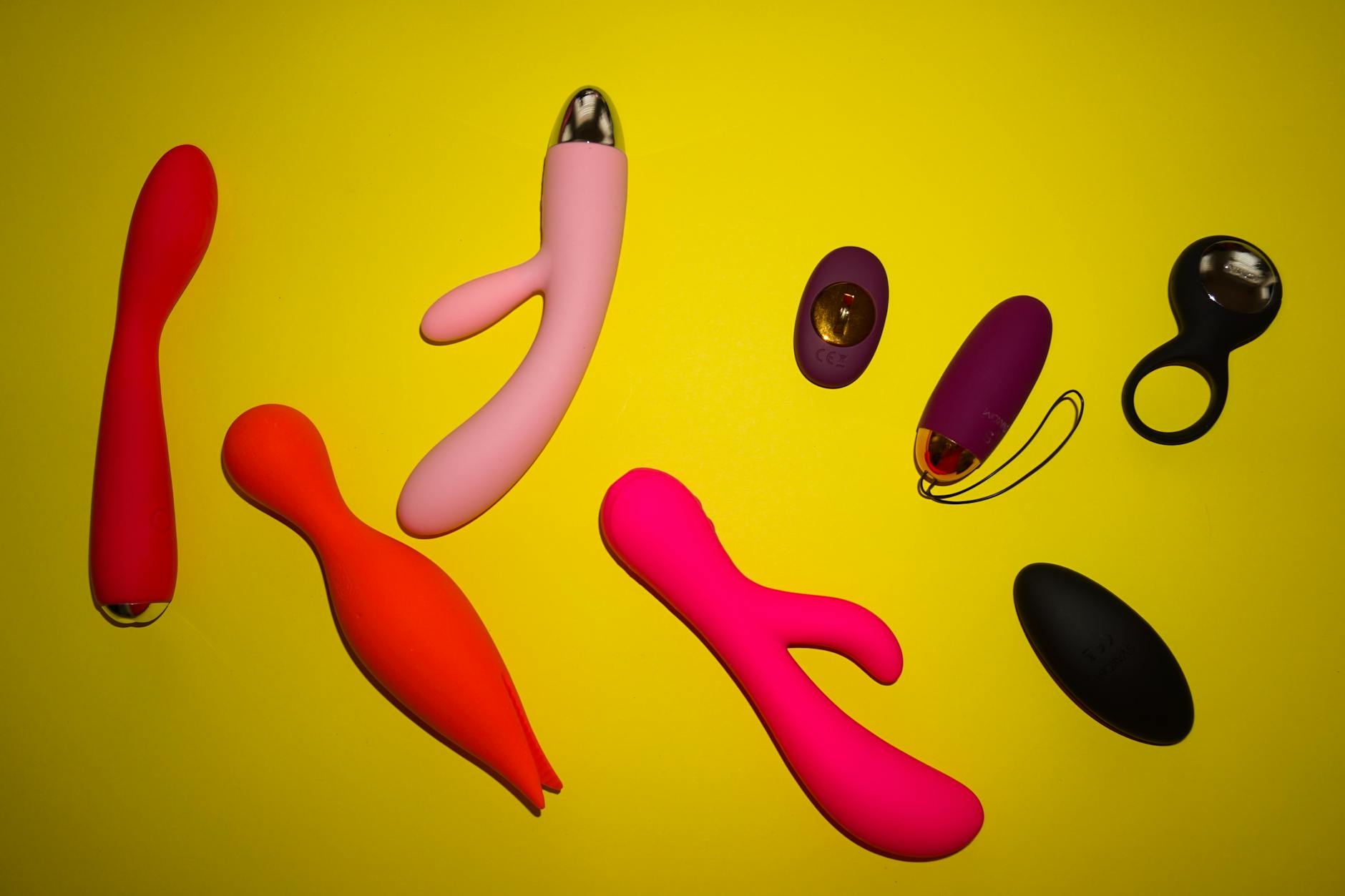
Photo by FounderTips on Pexels
The practical adjustments that matter
If you're considering a lem vibrator or other lemon clitoral vibrator after menopause, a few things help:
Start with water-based lubricant, always. Not because you're broken, but because thinner tissue benefits enormously from it. Apply it generously to both your vulva and the toy. This isn't optional. Silicone-based lubes feel richer but can damage silicone toys, so stick with water-based.
Budget more time for arousal. Your body now needs longer to build excitement. What used to take five minutes might now take fifteen or twenty. This isn't worse. It's different. And honestly, the longer buildup often leads to better orgasms.
Start at the lowest intensity setting. Even if you used powerful vibrators before menopause, begin at pattern one or two. Your tissue is more sensitive now, and that sensitivity is actually your friend. You can always turn it up. You can't undo irritation once it starts.
Pelvic floor work matters more now. As estrogen drops, your pelvic floor naturally tightens and can become restrictive. Kegels help, but so does learning to actively relax your pelvic floor. Try this: breathe deeply and consciously soften your pelvic floor before and during pleasure. It sounds simple, and it transforms the experience.
The emotional side nobody talks about
Menopause often arrives alongside other big transitions. Kids leaving home. Relationship shifts. Career changes. Grief. The temptation is to blame everything on hormones, but that's often where the real complexity hides.
If you're with a partner, separate the conversations. "My body responds differently now" is different from "I want us to reconnect." Mixing them creates confusion and dead ends for both people.
If you're exploring solo pleasure with a lemon clitoral vibrator, you're doing something radically important. You're learning what feels good in this version of your body. That knowledge becomes the foundation for everything else.
When to check in with a professional
Pain during sex is not normal and shouldn't be accepted as part of menopause. Genitourinary syndrome of menopause (GSM) is real, common, and highly treatable. A menopause-informed gynecologist can prescribe topical estrogen creams that have minimal systemic absorption and transform the experience within weeks.
If desire has completely vanished and isn't returning after a few months, testosterone therapy is worth discussing with your doctor. It's more conservatively prescribed in some places than others, but it's available and often genuinely life-changing.
If you're feeling disconnected from pleasure or your body more broadly, consider working with a therapist who specializes in midlife transitions. Sometimes the sexual piece is the entry point to addressing something deeper.
FAQ: Menopause and lemon vibrators
Can I still orgasm with a lemon vibrator after menopause?
Yes, absolutely. Most people with ovaries can still orgasm post-menopause, often more intensely than before. Your neural pathways for arousal haven't changed. The clitoris still has full nerve density. Lemon clitoral vibrators work particularly well because they don't require the same direct friction as traditional vibrators, making them gentler on thinner tissue while often delivering stronger sensations through suction and pulsing.
How often should I use a lem vibrator if I'm post-menopausal?
There's no "right" frequency. Some people use lemon adult toys daily, others weekly. Regular use actually helps maintain genital blood flow and tissue thickness, which is beneficial post-menopause. If you're concerned about anything, check with your gynecologist, but pleasure itself is healthy and supportive.
Will lube work differently with a lemon sexual toy?
Yes, slightly. Water-based lubricant works best and stays in place longer with air-pulse toys because there's no friction drying it out. You typically need less than you'd use with a traditional vibrator. Apply generously to start, and you'll quickly learn how much works for your body.
What if I experience pain using a lemon vibrator after menopause?
Stop and see a doctor. Pain is information. It might be vulvovaginal atrophy that needs treatment, or it might be something else entirely. A menopause-informed GP can help rule things out. In the meantime, use more lubricant, start at the lowest intensity, and consider whether pelvic floor tension might be playing a role.
Is it normal for orgasms to feel different with a lem vibrator than with my old toys?
Completely normal and common. Air-pulse technology creates a different sensation pattern than traditional vibration. Many post-menopausal bodies find this new pattern more intense and more satisfying. Your orgasms might be quieter, or deeper, or more full-bodied. That's all okay. Different doesn't mean worse.
Can my partner use a lemon clitoral vibrator with me?
Of course. If you're exploring pleasure with a partner, a lem vibrator can be incorporated into partnered sex in exactly the ways you want. Some couples use it during foreplay. Others use it during intercourse. There's no script. Communicate about what you want and what feels good, and you'll figure out what works for both of you.
Menopause is not the end of your pleasure
It's the beginning of a different chapter. Your body has changed, yes. Your needs have shifted. But your capacity for sensation, arousal, and orgasm is still entirely intact. Often it's sharper and more available than it's ever been because you're not managing a thousand other hormonal distractions anymore.
Lemon vibrators and other air-pulse toys are designed for bodies like yours right now. They work with your tissue changes rather than against them. They're tools built for this exact moment.
If you're feeling disconnected from pleasure after menopause, start with curiosity instead of pressure. Lube, time, low intensity, and a lem vibrator. The rest often follows. Your pleasure matters as much now as it ever did. You deserve to feel good in this body, at this age, in this season of your life.
Have questions about menopause and pleasure, or how to approach this transition? Reach out to us. We're here to help.