Let's start with what's actually happening
You started an SSRI. Your mood lifted, your anxiety settled, and then something else flattened: your ability to feel pleasure. You're not imagining it. Between 40 to 60 percent of people on SSRIs experience sexual side effects, and most of them don't talk to their doctor about it.
The tricky part: nobody warns you that this is coming. Your prescriber mentions dry mouth and sleep changes. Not this. So you sit with it alone, wondering if the medication is worth it, or if there's something wrong with you. There isn't. Your brain chemistry shifted, and your nervous system is adjusting.
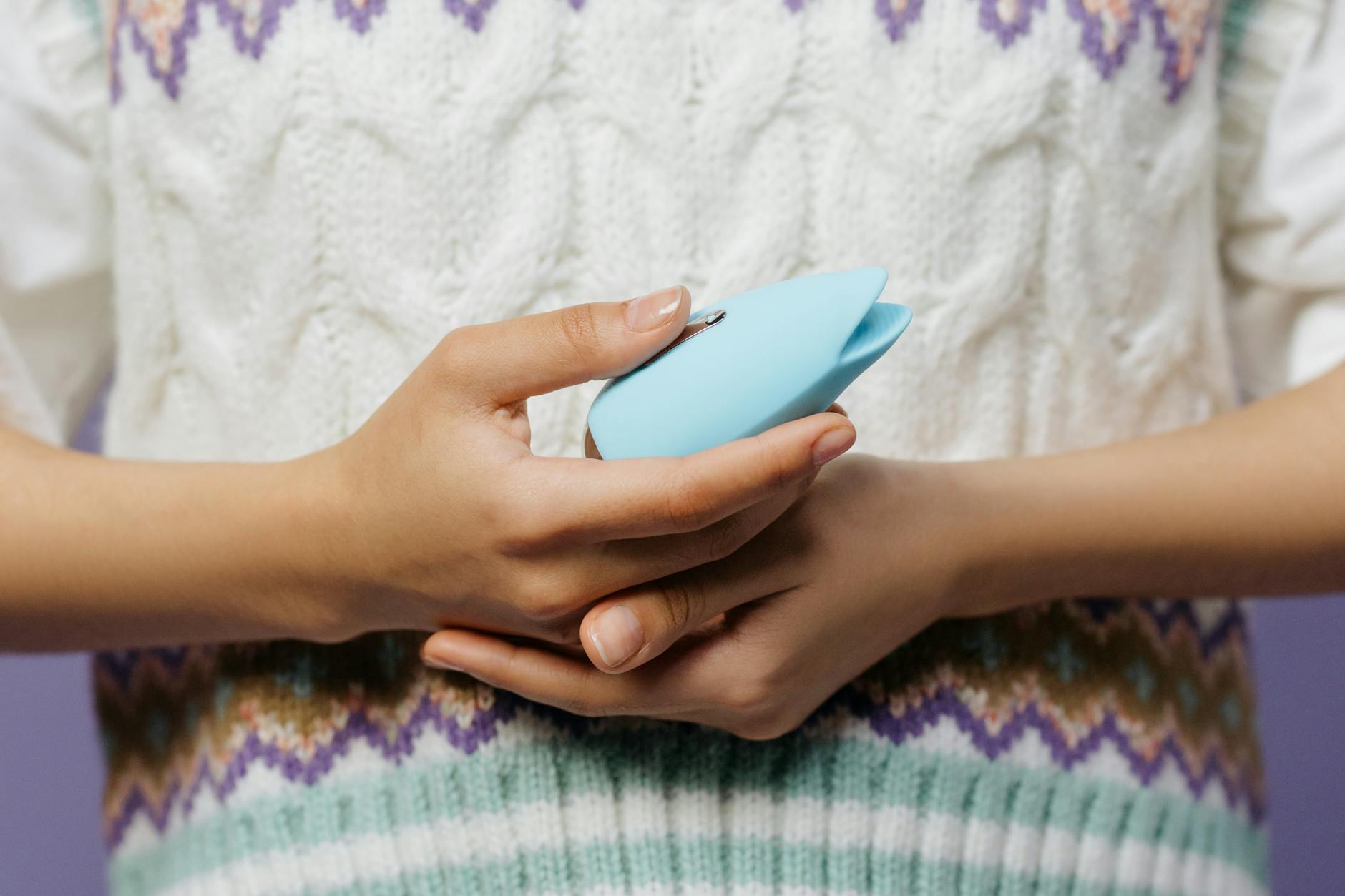
Here's what you actually need to know about why lemon vibrators, specifically clitoral vibrators like the lemon sucker style, can help rebuild what SSRIs take away.
Why SSRIs flatten sexual response
SSRIs work by keeping serotonin hanging around longer in your synapses. That's great for mood regulation. But serotonin also suppresses dopamine in certain neural pathways, and dopamine is one of the main drivers of sexual motivation and the intensity of orgasm.
The mechanism is straightforward: higher serotonin activity can delay or dull the orgasmic reflex. Your body can still respond physically, but the intensity and the ease of getting there both drop. Some people describe it as watching pleasure through glass. You can see it happening, but you can't quite feel it.
This usually stabilizes within 2 to 3 months as your body adjusts. But for some people, it persists for years. And for about 10 percent of SSRI users, it doesn't fully resolve, even after switching medications.
The good news: your clitoral nerve endings haven't changed. Your capacity for pleasure is still there. You just need a different entry point.
Why air-suction vibrators work where other toys don't
Most vibrators rely on direct vibration or friction to build sensation. When your nervous system is already dampened by an SSRI, that approach often doesn't work well enough. The stimulation isn't hitting the right nerves with the right intensity.
Lemon vibrators using air-suction technology work on a completely different principle. Instead of vibrating, they create gentle suction pulses over the clitoral area. This mimics the sensation of oral stimulation and engages a different set of nerve pathways than traditional vibration does.
Why it matters: when serotonin is suppressing your baseline arousal response, air-suction stimulation can sometimes bypass that suppression more effectively. You're not fighting your neurochemistry. You're using a sensation pattern that your nervous system hasn't learned to dampen yet.
Many people on SSRIs report that they can achieve orgasm with an air-suction vibrator when traditional vibrators stopped working months ago. It's not placebo. It's mechanics.
How to rebuild sensation step by step
The process of rewiring pleasure after SSRI flattening takes intention and patience. Your nervous system didn't lose capacity overnight, and it won't regain it overnight either.
Start with exploration, not outcome. Use a lemon clitoral vibrator during non-goal-oriented sessions. Your only job is to notice what feels different, not to chase an orgasm. Set a timer for 15 minutes. If you orgasm, great. If you don't, that's data too.
Begin at the lowest intensity setting. The impulse is to crank it up immediately because you're not feeling much. Resist that. Start on pattern 1 or 2. Let your nervous system wake up gradually. Sometimes the sensitivity returns faster when you meet yourself at the threshold, not at maximum.
Change your touch patterns. If you've been using the same stroke or pressure for months, your clitoral nerves have adapted to it. An air-suction vibrator literally feels different. But also experiment with different angles, speeds on the vibrator, and how directly you're stimulating. Novelty itself can wake up sensation.
Be honest about timing. SSRIs can delay orgasm even when sensation does return. That's separate from flatness. A 30-minute session isn't failing if you're feeling genuine pleasure along the way. Many people find that extended, unhurried time with a lemon vibrator helps them separate the idea of "sex" from "must orgasm quickly."
The emotional reset that matters as much as the mechanics
Once sexual response flattened, many people develop anxiety around sex. You start anticipating disappointment. Your partner gets confused about why you're suddenly uninterested. Shame builds. By the time sensation does start returning, there's a mental barrier in the way.
Using a lemon vibrator alone, deliberately, without your partner present, is often the fastest way to reset that. You remove the performance pressure. You remove the need to explain or justify what you're doing. You're just exploring what your body can still feel. That psychological reset often opens the door faster than the physical adjustment alone.
If you have a partner, this is worth a conversation. Something like: "My brain chemistry shifted when I started this medication. I'm working on getting back to myself. This is about me rebuilding sensation, not about anything you did." Most partners understand that antidepressants are medical necessities. They'll wait.
When to talk to your doctor (and what to ask)
If you're 3 months in and sexual response hasn't budged at all, bring it up. Your doctor has several options: dose adjustment, switching to a different SSRI class, adding a medication that counters sexual side effects, or taking a drug-free day once a week before intimate time (though talk to your prescriber first, since this doesn't work for everyone and can affect mood stability).
Don't let shame stop you. Sexual side effects are a legitimate medical conversation. Your doctor has heard this before.
One note: if you're using a lemon vibrator or any clitoral vibrator and you develop pain or numbness that persists, mention that too. It's rare, but possible. Most people find air-suction vibrators gentler on sensitive tissue than traditional vibrators, but everyone's nervous system is different.
Why this matters for your relationship to the medication
The temptation is to stop the SSRI because the sexual side effects feel intolerable. I've seen people do it, and sometimes their depression crashes harder than before. The math doesn't work.
But neither does white-knuckling through sexual flatness for years. The middle path is: stay on the medication if it's helping your mental health, use tools like lemon vibrators to rebuild pleasure, give yourself patience, and talk to your doctor if it's not improving.
Your mental health matters. Your sexuality matters. You don't have to choose between them.
FAQ: Rebuilding pleasure on SSRIs
How long does it usually take for SSRI sexual side effects to go away?
For about 30 to 40 percent of people, sexual side effects improve significantly within 2 to 3 months as the body adjusts. For others, it takes 6 to 12 months. About 10 percent experience persistent sexual side effects even after a year. If you're in that third group, talking to your doctor about switching medications or adding an augmentation strategy is worth doing.
Can a lemon vibrator actually help if I'm completely numb?
If you're experiencing complete numbness and zero sensation, that's a different issue that might need medical attention. But most people on SSRIs aren't completely numb. They're dampened. For dampened sensation, air-suction clitoral vibrators like lemon vibrators often work better than traditional vibrators because they engage different nerve pathways. Start on a low setting and be patient.
Is it normal to need more intensity after starting an SSRI?
Very normal. SSRIs can require higher stimulation to trigger the same response. This doesn't mean you're broken. It means your nervous system's threshold shifted. Using a lemon clitoral vibrator and gradually exploring different intensities can help you find what works for your new baseline.
Should I tell my partner I'm using a lemon vibrator to manage SSRI side effects?
If you're in a partnered relationship and you want to eventually involve them in sexual intimacy again, yes. Something simple: "My medication affected my sexual response. I'm using a vibrator to help rebuild sensation. I want us to be connected in this process." Most partners feel relieved that there's a concrete thing to do, rather than wondering what's wrong.
Can I use a lemon vibrator while also taking medication to counter SSRI sexual side effects?
Generally yes. If your doctor prescribed something like buspirone or bupropion to counter sexual side effects, using a lemon vibrator alongside that can actually speed up the process. The medication addresses the neurochemistry, and the vibrator addresses the physical sensation rebuilding. Talk to your doctor to make sure there are no interactions, but most combinations are safe.
What if the lemon vibrator doesn't help?
If you've given it a consistent try for 2 to 3 weeks and genuinely feel nothing different, it might not be the tool for you. That's okay. Other options: different vibrator types, exploring with a partner, or talking to your doctor about medication adjustment. The goal is rebuilding pleasure, not forcing yourself to use a specific tool. Listen to your body.
You don't have to choose between mental health and pleasure
SSRIs are lifesaving for many people. And sexual flattening is a real, legitimate side effect that deserves real, practical solutions. Using a lemon vibrator or other air-suction clitoral vibrator isn't about forcing yourself to feel better. It's about giving your nervous system a different pathway back to sensation while your brain chemistry stabilizes.
Start low. Be patient. Talk to your doctor if things don't improve. And know that rebuilding takes time, but it's absolutely possible. Your pleasure matters as much as your mental health.
If you're struggling with connection and intimacy beyond just the physical side effects, consider reaching out to a therapist or counselor. Rebuilding pleasure after medication changes is both a physical and psychological process. Professional support can help with both.
Contact us if you have questions about Hello Nancyslem products or need resources for sexual health support.