Let's start with what's probably true
Your orgasms used to come faster. Or they felt sharper, more present, more you. And now they don't. That shift is real, and you're not imagining it. What you might be imagining is that something is broken.
It's not.
Delayed orgasm and sensitivity loss are wildly common. They're also wildly misunderstood. Most people assume it's hormonal, which is sometimes true. But it's often relational, psychological, physiological, or some combination that has almost nothing to do with your body being broken. And here's the useful part: lemon clitoral vibrators work for delayed orgasm precisely because they operate at a level where all those factors converge.
Why orgasms get slower and quieter
There are five main culprits. Often several are working at once.
Stress and mental load. This is the number-one reason, and I'd argue the most underestimated. The brain is your biggest sexual organ. If your brain is running a background process loop about work, money, family obligations, or relationship friction, your body stays in sympathetic nervous system mode. Orgasms require parasympathetic activation. A distracted nervous system doesn't orgasm easily.
Medication side effects. Antidepressants, birth control, blood pressure meds, and antihistamines all affect arousal and orgasm function. If you started something new in the last six months, the timing might not be coincidental.
Partner mismatch. If you're having partnered sex, and your partner's rhythm or style has drifted from what works for you, your body might be working twice as hard to get half the result. This is especially common in long-term relationships where patterns fossilize and nobody names it.
Reduced genital blood flow. This can happen due to cardiovascular changes, smoking, blood sugar dysregulation, or just getting older. Less blood flow means delayed arousal and muted sensation.
Pelvic floor dysfunction. If your pelvic floor is chronically tense or weak, it changes sensation and makes orgasm harder to access. Many people don't realize their pelvis is clenched until someone points it out.
Why lemon vibrators actually help
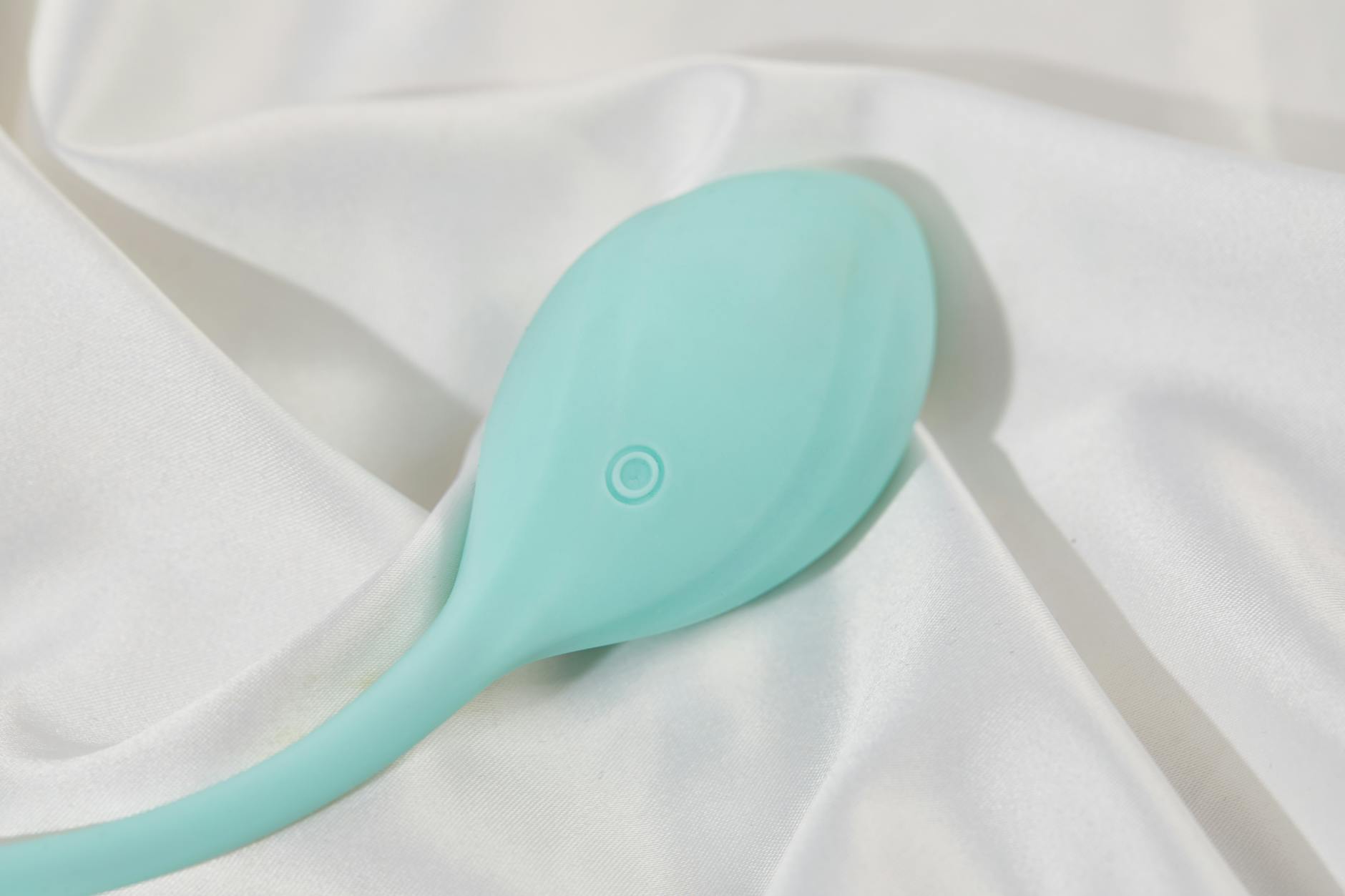
Lemon clitoral vibrators work for delayed orgasm because of how their stimulation pattern operates.
Most traditional vibrators use direct vibration. Your skin and nerve endings adapt to that stimulus quickly, which is why intensity often feels like it's dropping even when the setting stays the same. Your body is getting desensitized in real time.
Lemon suction technology works differently. Instead of vibration, it uses pulsing air pressure. This stimulates deeper nerve clusters in the clitoris without the same adaptation curve. For people experiencing sensitivity loss or delayed response, that deeper stimulation often bypasses the numbing effect and reaches tissue that's still responsive.
Lemon vibrators also require less direct friction, which matters if genital tissue is tender or you're using them alongside medications that thin tissue. The sensation is more diffuse, less aggressive.
And honestly, the novelty and the pattern variation help your brain stay present. When your nervous system recognizes something new, it pays attention. Attention is where arousal lives.
The relational piece nobody talks about
Much of delayed orgasm in established relationships isn't physiological. It's relational. Your body knows the difference between sex that's obligatory and sex where you actually want to be there. A body in a relationship where you feel unseen, unheard, or out of sync will take longer to respond. That's not a flaw. That's your body being smart.
Before you buy any tool, take a hard look at whether the real friction is physiological or relational. If you're resentful about emotional labor division, if you don't feel heard, if intimacy has become transactional, a lemon vibrator won't fix that. It might actually highlight it.
If the relational foundation is solid and you're just working with a physiological delay, a lemon clitoral vibrator can be genuinely useful. Use it solo first to understand what patterns and intensity levels actually work for you. Then, if partnered sex is part of your picture, you can communicate clearly about what you need.
How to actually use lemon vibrators for sensitivity loss
Start with solo exploration. You need to know what works before you bring a tool into partnered sex. Spend three or four sessions alone, without time pressure. Try different patterns. Notice what your body responds to.
Use longer warm-up. If sensitivity has dropped, five minutes of foreplay won't cut it. Budget 15 to 25 minutes. This isn't a drawback. It's permission to slow down.
Combine with manual touch. Lemon vibrators work better when you're using them with your hands elsewhere. The multi-point stimulation keeps your nervous system engaged. Try using your vibrator on the clitoris while your other hand is on your breast, stomach, or inside. The coordination keeps the brain present.
Match your cycle if applicable. If you menstruate, sensitivity and arousal vary across your cycle. Orgasms are often easier in the follicular phase (days 1-14). If delayed orgasm is only a second-half-cycle issue, that's useful data.
Don't push to orgasm. This might sound counterintuitive, but if you're already anxious about delayed response, adding performance pressure makes it worse. Use your lemon vibrator or other tools for pleasure, not as a target. Orgasm becomes more accessible when you're not trying so hard.
When to check with a doctor
If sensitivity loss happened suddenly (within weeks, not months or years), if there's pain involved, or if it came alongside a new medication, see a gynecologist or sex medicine specialist. Some causes are straightforward to treat once identified.
If you're on antidepressants and delayed orgasm started after you began them, talk to your prescriber. Switching timing, changing medications, or adding something to counteract the sexual side effects is often possible.
If pelvic floor dysfunction is involved, pelvic physical therapy can be genuinely transformative. A pelvic PT will teach you to release tension you didn't know you had.
The emotional layer
Here's what I see in my practice: people often feel shame about delayed orgasm. They interpret it as a failure. That frame makes everything harder because shame tightens your nervous system more. Your body responds to shame by becoming even less responsive, and the cycle deepens.
Delayed orgasm is information, not a judgment. It's telling you something about your stress, your relationship, your medication, your pelvic floor tension, or your genital blood flow. Once you have that information, you can do something with it.
Lemon vibrators are one tool in a larger toolkit. They work best alongside honesty with yourself and sometimes with your partner about what's actually happening beneath the surface.
Frequently asked questions
Do lemon vibrators work for everyone with delayed orgasm?
Not universally, but they work for many people, especially those with sensitivity loss. The suction mechanism bypasses desensitization patterns that direct vibration can amplify. That said, if your delayed orgasm is purely psychological (anxiety, shame, distraction), a tool won't solve it. You'd benefit from working with a therapist or sex counselor alongside any physical approach.
Can I use a lemon vibrator alongside antidepressants?
Yes. Many antidepressants make orgasm harder, but that doesn't mean tools won't help. In fact, people on SSRIs often report that lemon clitoral vibrators are more effective than they expected because the deeper stimulation pattern works around the numbing effect. Always disclose your medications to your healthcare provider if sexual function changes.
How long does it take to feel a difference?
This varies wildly. Some people notice a shift in the first or second use. Others need four or five sessions to understand the tool and what it's doing for them. Give yourself at least three solo sessions before deciding whether it's working for you. Your body needs time to adjust to the sensation.
Is it normal for sensitivity to come back slowly?
Completely normal. If your sensitivity loss was gradual, recovery is often gradual too. You might notice that arousal takes less time first, then that sensations feel sharper, then that orgasms return more quickly. It's rarely an overnight flip.
Can I use a lemon vibrator during partnered sex?
Absolutely. Many couples incorporate lemon clitoral vibrators into partnered sex specifically because they speed up arousal and orgasm for the partner with the vibrator. The key is communication beforehand about what you want and how you'll coordinate. Some people find that using a vibrator during partnered sex actually increases intimacy because there's less performance pressure on the other partner.
What if a lemon vibrator doesn't help my delayed orgasm?
It means your delayed orgasm has a different root cause. You might need to explore medication adjustment, pelvic physical therapy, relationship counseling, or working with a sex therapist. A tool is useful only if the underlying issue is something a tool can address. If you're stuck, that's actually good information. It narrows the field of what to explore next.
The bottom line
Delayed orgasm and sensitivity loss are common. They're also usually addressable. Sometimes it's about reducing stress. Sometimes it's about medication adjustment. Sometimes it's about pelvic floor work. And sometimes, a different approach to stimulation, like what lemon clitoral vibrators offer, is exactly what shifts things.
Start by getting curious instead of ashamed. Notice what changed and when. If you want to try a tool, invest in one and give it real exploration time. If you want support untangling the relational pieces, reach out to a therapist or counselor. Your pleasure matters enough to take seriously.