Let's get real about pleasure and pain
Pelvic pain and sexual pleasure feel like opposites, but they're not mutually exclusive. The thing is, most people with pelvic pain are told to simply stop having sex until the pain goes away. That's not advice. That's avoidance. And it often makes things worse, not better.
Here's what I've learned working with couples navigating pelvic pain: the right approach to lemon vibrators and other clitoral toys can actually support healing while keeping pleasure alive. It requires specificity, communication, and tools designed with sensitivity in mind.
Understanding pelvic pain and arousal
Pelvic pain comes from lots of sources. Endometriosis, pelvic floor dysfunction, vulvodynia, vaginismus, post-surgical sensitivity, infection recovery. The pain itself is real and valid. But the assumption that pain means "no sex" is where most people get stuck.
When you avoid sensation during painful periods, two things happen. First, the pelvic floor gets tighter from guarding and fear. Second, you disconnect pleasure from the area entirely. This can actually prolong recovery and make reentry harder.
Lemon clitoral vibrators and other air-suction toys can help break this cycle because they offer external stimulation without internal pressure. If you're dealing with internal pain, external pleasure becomes your entry point. You're not forcing yourself to be okay with pain. You're reminding your nervous system that this area can still feel good.
Why lemon vibrators work differently for pelvic pain
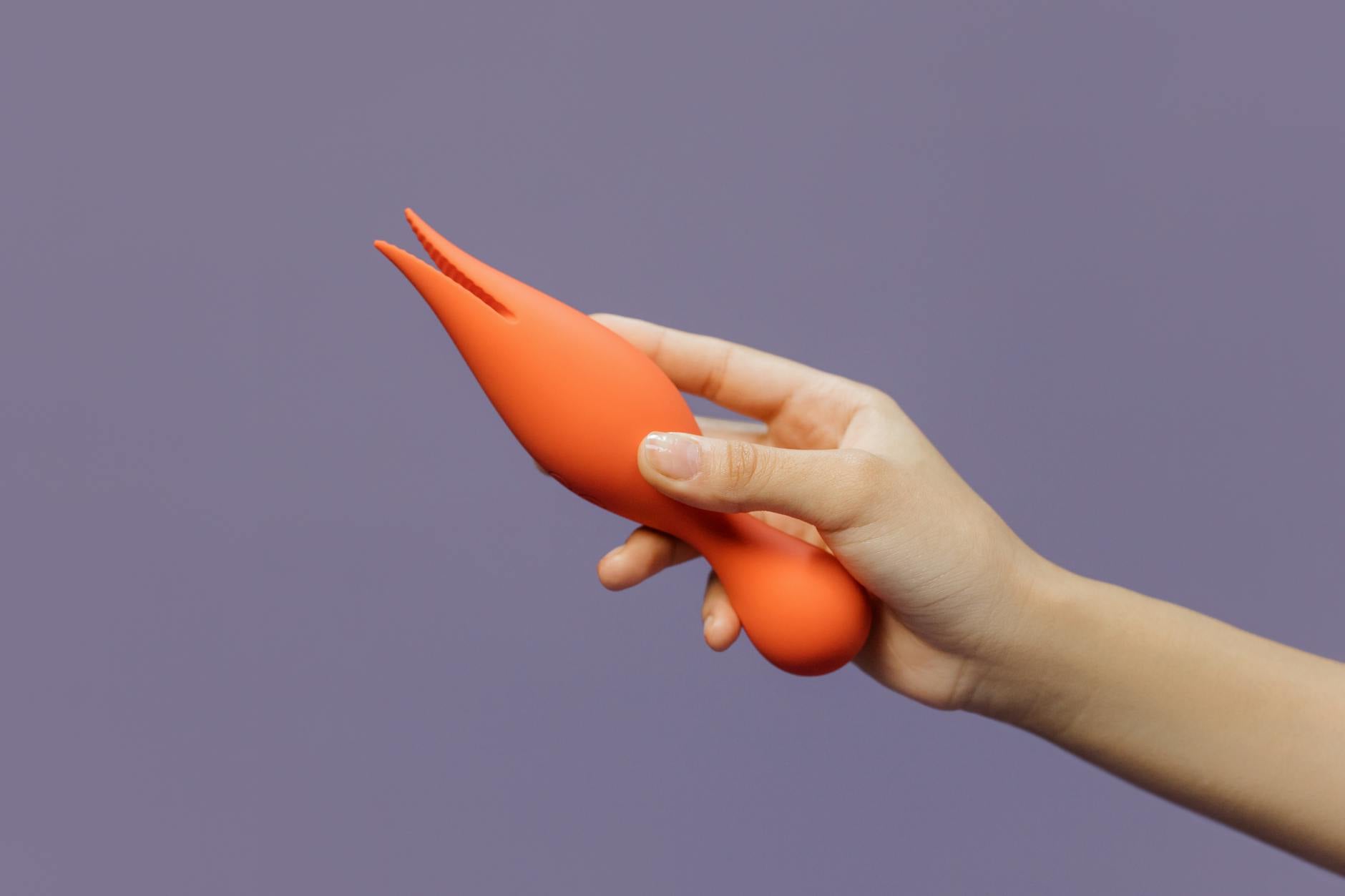
The Lem and other lemon-shaped clitoral vibrators use suction patterns rather than direct friction. This matters enormously if you have pelvic pain.
When tissues are inflamed, sensitive, or in recovery, direct vibration can feel overwhelming or sharp. Suction works differently. It pulls stimulation inward rather than pressing outward. For many people with pelvic pain, this feels gentler and more manageable. The sensation spreads across a wider area instead of concentrating pressure on one sensitive spot.
Another advantage: you control proximity. With a lemon vibrator, you're not inserting anything. You position the toy where it feels good and adjust distance and intensity on your terms. If something becomes uncomfortable, you stop immediately. There's no friction to navigate, no internal pressure. Just external, controllable stimulation.
How to start if you have pelvic pain
Begin in a low-stakes moment when you're not expecting pleasure or performance. Curiosity is the goal here, not climax.
Set the environment. Warm room, comfortable position (reclined is often better than seated if you have pelvic tension), good lighting so you can see what's happening. Remove pressure to "work." This is exploration.
Warm up first. Spend 10 to 15 minutes on non-genital touch. A partner can help here with massage, kissing, or simply holding you. If you're solo, focus on breathing and relaxing your pelvic floor. Many people with pelvic pain unconsciously clench when they expect pain. Breathing deeply helps release that.
Start with pattern one. Don't jump to intensity settings three or four. The lowest pattern on any lemon clitoral vibrator is your friend. You're testing sensation, not chasing orgasm.
Position matters. Some people find clitoral stimulation painful when tissues are inflamed, but labia and mons pubis (the area above the clitoris) can feel good. Try the vibrator on different zones and note what creates pleasure versus what creates discomfort. This mapping is valuable information.
Stop before fatigue. If you're sensing numbness or fading sensation after 10 or 15 minutes, pause. Your nervous system is telling you it's reached its limit. That's not failure. That's data.

Photo by cottonbro studio on Pexels
Building tolerance and sensation over time
If pelvic pain is chronic, you're not looking for a one-session fix. You're building a new relationship with sensation in that area.
Start twice a week in these early sessions. Your nervous system needs time to process that stimulation can be okay. Consistent, gentle exposure helps retrain your pain response more effectively than sporadic intense attempts.
After two to three weeks of regular, low-intensity exploration, you can gradually increase pattern intensity if the lower settings feel comfortable and predictable. Again, no rushing. If you spike to setting four and it triggers pain or tightening, drop back to two and spend another week there.
Many people are shocked to discover they can have sensation and even pleasure in the painful area once they stop bracing against it. This isn't magic. It's neurology. When you prove to your nervous system repeatedly that something is safe, it stops firing alarm signals.
Working with a partner during pelvic pain
If you have a partner, communication shifts from "Does this feel okay?" to something more specific: "On a scale of relaxation, where are you right now?" Tightness matters more than pain in early stages. Your partner can notice when you're guarding and pause to help you breathe through it.
Lemon vibrators take pressure off partnership performance. Instead of focusing on penetration or partnered movement, you're both exploring external sensation together. Your partner can hold you, talk you through breathing, or simply be present while you explore. This often deepens intimacy more than goal-oriented sex ever did.
When to involve a provider
Some pelvic pain benefits from professional support alongside exploration. A pelvic floor physical therapist can teach you relaxation techniques and rule out muscular tightness. A sex therapist or relationship counselor can help with the anxiety and grief that often travels with pelvic pain.
If pleasure attempts consistently trigger sharp pain rather than discomfort, see someone. There may be an underlying condition that needs treating first. That's not a sign you should give up on sensation. It's a sign you need the right professional team.
The pleasure-recovery connection
Here's what I want you to know: pleasure and healing are not separate processes. When you explore sensation safely in painful areas, you're literally retraining your nervous system. You're building evidence that the area can feel good, not just hurt. This supports both physical recovery and emotional resilience.
Lemon clitoral vibrators and similar toys designed for external stimulation give you a way to do this without the pressure of penetration or performance. That's not a consolation prize. That's actually the gentler, more effective entry point for many people with pelvic pain.
Your pleasure matters, especially when things are hard. Pleasure is part of healing, not something to postpone until you're "fixed."
Frequently Asked Questions
Can I use a lemon vibrator if I'm in physical therapy for pelvic pain?
Most pelvic floor physical therapists support gentle exploration during recovery, but always check with yours. They may have specific guidance based on your diagnosis. Some conditions benefit from early, gentle stimulation. Others need a brief rest period first. Get clear direction before starting, and report back on what feels good and what doesn't.
What patterns and intensities are safest for pelvic pain?
Start at intensity level one for at least two to three weeks. The pulsing and wave patterns tend to feel less intense than steady vibration, so try those before continuous. If you're unsure, the lowest settings on any lemon adult toy are designed to be manageable. You can always increase. You can't un-feel something that triggered pain.
Is it normal to feel nothing at first?
Completely normal. Pelvic pain often comes with numbness, guarding, or disconnection from sensation. Your nervous system may need several sessions before it registers pleasure. Weeks, even. Keep going gently. Sensation returns with repeated safe exposure.
Can lemon vibrators help with vaginismus?
Yes, for many people. Vaginismus is involuntary tightening, often rooted in anxiety. External clitoral stimulation with a lemon vibrator can help separate "this area feels good" from "I need to brace." Over time, this rewiring often reduces the involuntary clenching. Pair it with breathing work and possibly therapy for best results.
Should I tell my partner about pelvic pain before using a vibrator?
If you have a partner and want them involved, yes. Even if you're exploring solo, your partner may notice mood or energy shifts, and transparency helps. Frame it as reclaiming pleasure and healing, not as a problem with partnership. Many couples find this journey actually deepens trust and intimacy.
How long until pelvic pain improves with pleasure exploration?
There's no fixed timeline. Some people notice shifts in sensation within weeks. Others take months. It depends on what's causing the pain, whether you're in treatment, your stress levels, and how consistently you explore. Track your own experience rather than comparing to timelines. Progress is individual.
Moving forward
Pelvic pain doesn't have to mean putting your pleasure on hold. With the right approach and tools, you can explore sensation, support healing, and reconnect with your body all at the same time. Start small, go slowly, and trust what your nervous system tells you. Your pleasure is worth the care.
If you're navigating pelvic pain and want more specific guidance, reach out. Contact Hello Nancy to connect with resources or support tailored to your situation.