Let's name the problem first
One of you is ready. The other isn't. Maybe you're the fast one, left waiting for your partner to catch up, and by the time they do, you're already frustrated. Maybe you're the slow one, and the pressure to speed up kills the mood entirely. Both scenarios leave people feeling broken or resented, and they're wildly common.
Here's what actually happens: arousal speed isn't a character flaw or a sign of desire mismatch. It's neurobiology. Some people's nervous systems light up fast. Others need longer runway. When you try to force both onto the same timeline, someone always loses.
Why arousal timing matters more than you think
When arousal speed mismatches go unaddressed, they don't stay in the bedroom. They seep into everything. The faster partner feels dismissed. The slower partner feels pressured. Over time, one or both people stop initiating sex altogether because the friction isn't worth it.
I've worked with couples where arousal speed differences killed intimacy for years. The fix wasn't therapy or communication tricks (though both help). The fix was separating arousal from performance. Instead of both trying to get to the same point at the same time, they created parallel paths to pleasure.
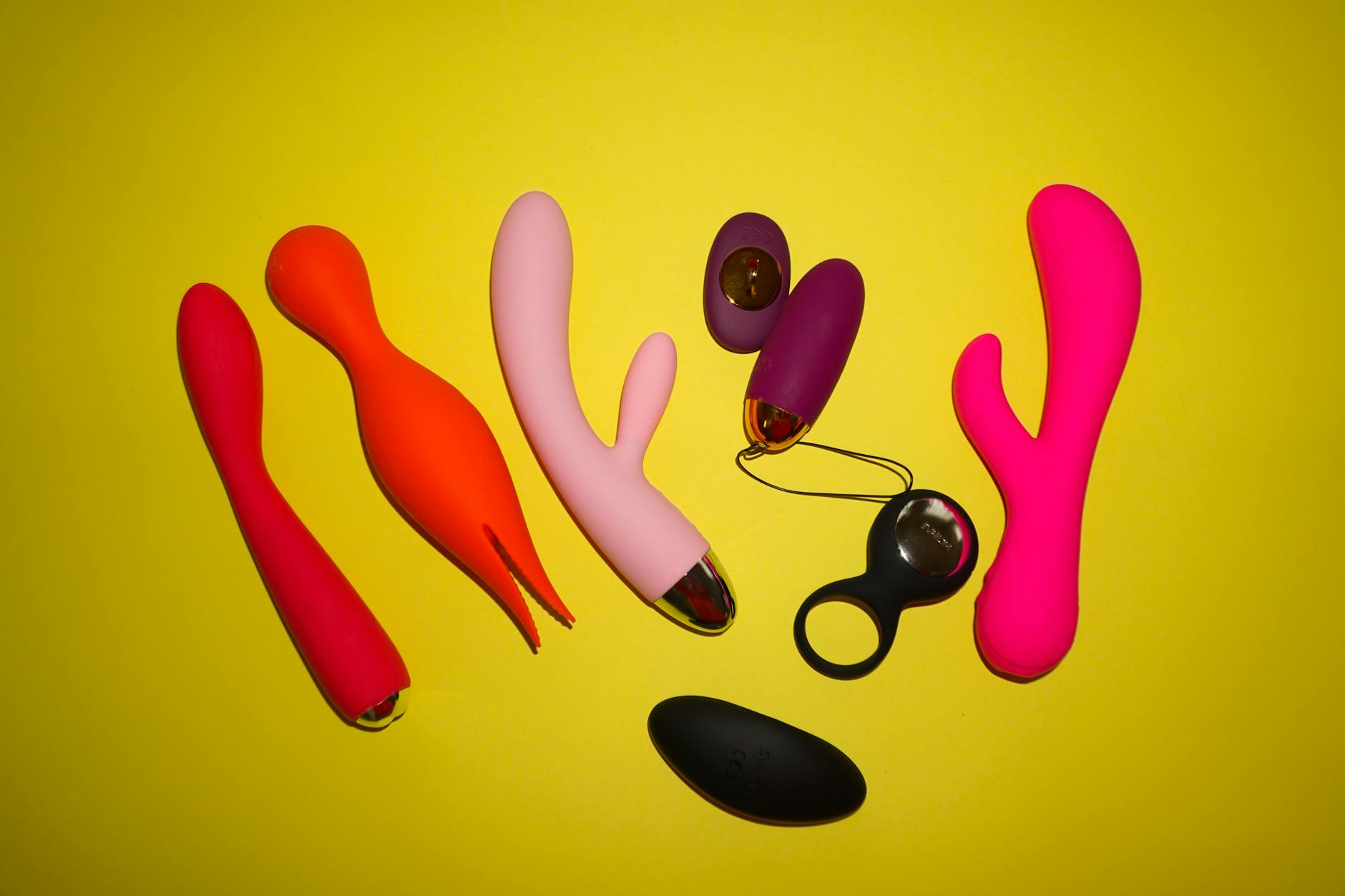
A lemon clitoral vibrator is one of the most practical tools for this because it compresses the arousal timeline without faking desire. Your body still gets to feel what it actually feels. You're just removing the time penalty.
How mismatched arousal actually kills desire
Let's say your partner needs 20 minutes to get aroused and you need 5. Here's what usually happens:
You get started. They respond well, but slowly. You get impatient. They sense the impatience and now they're anxious, which slows arousal further. By the time they're actually ready, you've already done enough work for two people, and your body is tired. You have sex anyway, and it's fine, but neither of you felt satisfied.
Now both of you associate sex with frustration. You avoid initiating because you know the wait. They avoid it because they sense your resentment. Six months later, you're having sex once a month, and you think it's a desire problem. It's not. It's a logistics problem.
How a lemon vibrator changes the equation
The faster partner uses a lemon clitoral vibrator while the slower partner focuses on foreplay and mental arousal. This does three things at once.
First, it compresses time without forcing. The person using the lemon vibrator (or lemon sexual toy more broadly) reaches arousal faster through stimulation that the body actually responds to, while the other partner continues on their natural timeline. Neither person feels rushed.
Second, it removes the performance pressure that kills arousal in the slower partner. Instead of feeling watched or rushed, they're alongside someone who's clearly having their own experience. There's no spectating. There's just two people moving toward each other at their own pace.
Third, it actually builds anticipation for the slower partner. Watching someone use a lemon vibrator with focus and pleasure is genuinely arousing for many people. It's not something happening to them. It's something they're choosing to witness and be part of.
A practical framework for using a clitoral vibrator with timing mismatches
Here's how to actually do this without it feeling clinical.
Start separately, come together. The faster partner starts with the lemon vibrator solo while the slower partner does whatever foreplay feels good to them. This removes the pressure clock. You're not watching the clock. You're both just feeling.
Set a loose timeline, not a hard deadline. "I want to spend about 10 minutes with the lemon vibrator" is different from "you have 10 minutes to be ready." The first is permission. The second is pressure.
Switch focus when ready. When the slower partner starts to feel genuinely aroused (not just compliant), the faster partner can put the vibrator down. This isn't always sequential. Sometimes you're both using tools. Sometimes one person is receiving all the attention. Let it be flexible.
Talk about what's happening, not what's not. Instead of "you're taking too long," try "I want to use the lemon vibrator for a bit, and then I want to focus on you." It's additive, not subtractive. You're not replacing them. You're giving yourself what you need so you can be more present with them.
Why this works better than "just communicate more"
I know you've heard this: communication is key. It's true. But communication alone doesn't change arousal speed. Talking about a mismatch helps you understand it. A lemon clitoral vibrator helps you actually solve it.
When you use tools to manage the timing gap, you remove the resentment from conversation. You're not negotiating arousal. You're just handling logistics. That actually makes communication easier because there's less defensiveness baked in.
Many couples find that once the timing pressure lifts, they reconnect. The faster partner stops feeling rejected. The slower partner stops feeling like a problem. You remember why you wanted to have sex in the first place.
The emotional piece you can't skip
Using a lemon vibrator to bridge arousal speed differences works technically. But if the slower partner feels replaced by the tool, or the faster partner feels like they shouldn't need it, you'll hit resistance.
So before you actually try this, talk about what arousal speed means to each of you. For some slower partners, a long arousal time feels like an asset, not a liability. They get to enjoy the process. For faster partners, quick arousal sometimes feels like their body is working against them.
Naming this stuff reduces shame. And shame is what makes arousal speed differences actually problematic. The speed itself isn't the problem. The story you tell about the speed is.
When a lemon sucker is the right tool
Not every clitoral vibrator works the same way for arousal mismatches. Suction-based vibrators like the Lem compress arousal time differently than standard vibrators.
Suction stimulates through pulsing pressure rather than direct vibration. For some people, this accelerates arousal because it's a different sensation than what they usually feel during partnered sex. It also tends to feel more intense, which can help the person using it stay focused even if they're anxious about timing.
If you're trying this for the first time, start at a low intensity and go slow. Arousal doesn't always speed up just because you add a tool. Sometimes the right tool is the one that lets you relax into the experience instead of performing your way through it.
Common mistakes that derail this approach
Using the tool as a substitute for the slower partner's arousal instead of in parallel with it. The goal is sync, not replacement.
Not checking in about what's working. What worked last time might not work this time. Arousal changes.
Treating it like a fix instead of a tool. A lemon vibrator doesn't fix arousal speed differences. It just gives you both a way to stop fighting them.
Letting the tool become a substitute for intimacy. You're still touching. You're still present. The vibrator is just one element.
FAQ
How do you know if arousal speed mismatch is the real issue or if it's low desire?
If both partners want sex but the timing frustrates you, it's a speed mismatch. If one partner doesn't actually want sex at all, that's low desire and needs a different conversation. Speed mismatches are logistical. Low desire is deeper.
Can you use a lemon clitoral vibrator during penetration if you're trying to sync arousal?
Yes. Some couples use a lemon vibrator externally during penetration to speed up one partner's arousal while the other partner is ready. It's not ideal for all positions, but it works for some. Experiment.
What if the slower partner feels self-conscious about taking longer to get aroused?
Self-consciousness actually slows arousal further. Before you use any tool, separate the conversation about arousal speed from the conversation about worth or desire. A slower arousal process isn't less valid. It's just different. Once that's clear, using a lemon vibrator stops feeling like you're fixing something broken.
Does using a vibrator mean the relationship has a bigger problem?
Not at all. Using tools to manage timing differences is smart logistics, not a sign of dysfunction. Some of the most connected couples I know use clitoral vibrators specifically because it removes friction from an otherwise good relationship.
How long does it typically take a lemon vibrator to bridge the arousal gap?
It depends on the person and the mismatch. Some people notice a difference within the first use. Others need a few tries to figure out what rhythm works. There's no timeline. You're just removing the clock.
What if using a vibrator during sex feels weird at first?
It often does. You're adding a new element to something familiar. Give yourself permission to feel awkward. It usually takes 3-5 times before it feels natural. If it doesn't feel better by then, it's not the right approach for your relationship.
The real fix
Arousal speed mismatches aren't about incompatibility. They're about two nervous systems that just work differently. When you stop treating the mismatch as a problem and start treating it as a logistics question, everything shifts.
A lemon clitoral vibrator is one answer. Some couples use toys, some use extended foreplay, some restructure when and how they initiate. The specific tool matters less than the principle: you get to have pleasure on your timeline, and so does your partner. You just don't have to be on the same timeline to have great sex together.
If arousal mismatches are affecting your intimacy, that's worth addressing. And if you want to talk through what might work for your specific situation, reach out to us. We're here to help.