Here's what nobody warns you about stopping birth control
You go off the pill, patch, or IUD expecting your cycle to return, your moods to stabilize, maybe your libido to spike. What you don't expect is for your clitoris to feel like it's been woken up from a decade-long sleep, raw and almost painful to touch. That's not failure. That's actually your nervous system recalibrating.
Hormonal birth control dampens sensation. It literally changes how your nerves fire. When you stop, that suppression lifts. Your clitoris becomes hypersensitive. Sometimes thrillingly so. Sometimes uncomfortably. Both are normal. The trick is learning to work with it, not against it.
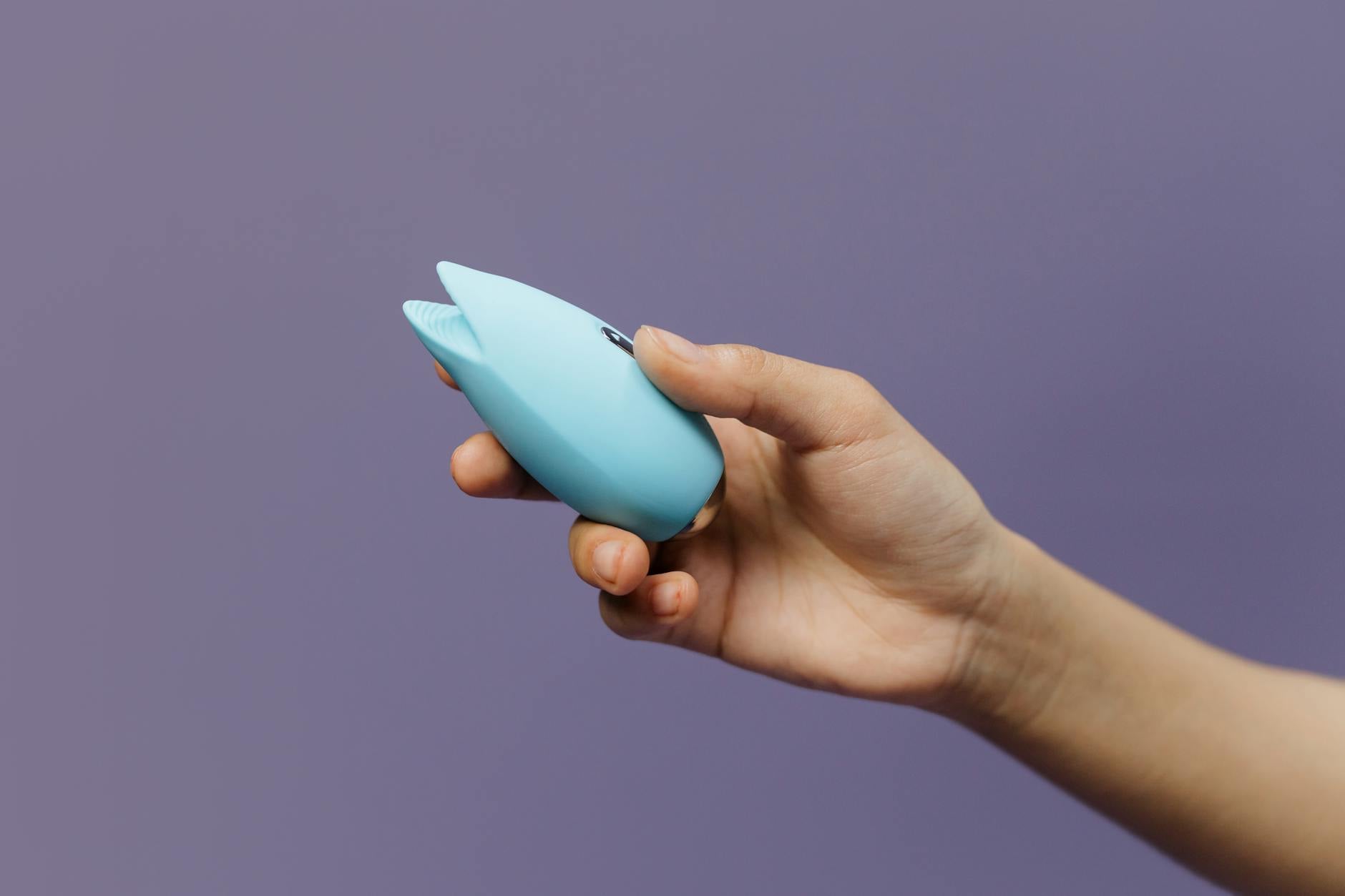
I've worked with dozens of clients through this transition. The ones who get it right use a different approach than they did before. A lemon clitoral vibrator, designed for precision stimulation without overwhelming intensity, becomes your best tool.
Why stopping birth control changes sensation so dramatically
Hormonal contraceptives alter blood flow, nerve response time, and tissue thickness around the clitoris. They're not a bad thing. But they do create a kind of sensory baseline that your body becomes accustomed to. When you remove them, your dopamine sensitivity increases, your blood flow normalizes, and your nerve endings suddenly have access to stimulation patterns they haven't processed in years.
This can feel electric and amazing. It can also feel too much, too raw, almost painful. You might notice that direct pressure feels intolerable, but the right kind of suction or rhythmic pattern feels incredible. This isn't unusual. It's your body literally remembering how to respond.
The problem is most people don't adjust their approach. They try the same techniques that worked on hormonal birth control and get frustrated when they feel too intense. That's where a precision tool like a lemon clitoral vibrator changes everything.
The first three weeks: less is more
Give yourself at least three weeks of recalibration before you expect pleasure to feel normal. This isn't forever. It's the time your nervous system needs to reset its baseline for sensation.
During this window, directness is your enemy. Avoid putting a standard vibrator directly on your clitoris. It will feel jarring, overstimulating, almost electric in a way that's not pleasant. Instead, start with these approaches.
Use a lemon vibrator over your underwear for the first few days. Suction-based stimulation (which a lem vibrator provides through its air-pulse design) distributes sensation across a wider area than traditional vibration does. It's less piercing. Apply it through fabric first. You're not trying to orgasm yet. You're reintroducing sensation at a volume your nervous system can actually process.
When you're ready to go direct, use the lowest pattern setting. A lemon sexual toy like the Lem has multiple speeds. You want pattern one or two, not anything higher. Even then, start at the outer labia or the area around the clitoris rather than directly on the glans. Your sensitivity will increase every few days. You'll know when you're ready to move inward.
Four to six weeks in: playing with intensity patterns
By week four, most people notice their body's responding more predictably. Sensation still feels heightened compared to what it was on birth control, but it's no longer raw or painful. This is when a lem vibrator's rhythm options become your best friend.
Lemon clitoral vibrators work differently than bullet vibrators. Instead of continuous buzzing, they use pulsing patterns that mimic the way your own body naturally builds arousal. This rhythm-based approach is wildly effective for bodies recalibrating after hormonal shifts. You're not fighting against sensitivity. You're working with your nervous system's natural rhythm.
Try the pulse patterns rather than continuous mode. Many people who find straight vibration overwhelming discover that pulse and rhythm patterns feel exactly right during this transition window. The on-off cycle gives your nerve endings time to reset between stimulation bursts. Your brain doesn't interpret it as overstimulation. It feels like intentional pleasure instead.
Pair this with longer warm-up time. Your body might take 20-30 minutes to build arousal now instead of the 10 minutes you're used to. That's not slower. That's different. Longer arousal windows often feel deeper and more satisfying anyway.
Managing hypersensitivity without abandoning pleasure
If you're three weeks in and direct contact still feels unbearable, you're not broken. You're just on the extreme end of the sensitivity spectrum. Some people's nervous systems take longer to recalibrate. Here's what helps.
Continue using your lemon vibrator or another clitoral vibrator over fabric or through a barrier. Thin cotton underwear, a silk sleep short, even a thin scarf positioned loosely over your clitoris changes everything. The barrier diffuses sensation. You still feel the suction or pulse. It just doesn't feel sharp. After another week or two of this, direct stimulation becomes more tolerable.
You can also experiment with different lube. Some people find that silicone-based lube mutes sensation slightly compared to water-based lube. If you're dealing with hypersensitivity, a silicone lube might feel genuinely easier to work with for a few weeks. Switch back when you're ready.
And honestly? Give yourself permission to skip penetration entirely while you're figuring this out. External sensation is plenty. Your clitoris is doing important recalibration work. Penetration can add complexity that you don't need right now.
When to get professional support
Sensitivity should improve noticeably by week six. If it's actually getting worse, or if you're experiencing pain that feels more than just heightened sensation, check in with a gynecologist. Sometimes stopping birth control unmasks underlying issues like vulvodynia or nerve irritation that the hormones were suppressing. It's not common, but it's real.
A good doctor can tell the difference between normal recalibration sensitivity and something that needs treatment. If it is vulvodynia or another condition, knowing that actually helps. You can then adjust your approach accordingly. And you've got the exact same tools at your disposal. A lemon clitoral vibrator works beautifully for folks managing nerve sensitivity because the suction design is inherently less aggressive than vibration.
The other shifts nobody mentions
Your sexual response isn't the only thing changing right now. Your mood, your energy, your relationship dynamics are all recalibrating too. Pleasure doesn't exist in a vacuum. If you're also dealing with hormonal mood swings, sleep disruption, or relationship stuff, your sexual response feels harder to access. That's not a pleasure problem. That's a context problem.
Honestly, this is a good time to check in with your partner if you have one. Let them know what's happening physically. Let them know you might need things slower, gentler, more patient for a few weeks. That conversation matters more than any technique does. Your partner can help hold space for this transition instead of accidentally pushing you toward intensity you're not ready for.
The plot twist: pleasure often gets better
Here's the thing they don't put in the birth control insert. Most people come through this transition with a completely rewired sense of what pleasure can feel like. Because you're forced to slow down, pay attention, and actually feel sensation, you often discover that your capacity for pleasure is bigger than it was before.
The hypersensitivity window becomes your accidental meditation. You're forced to be present. You're forced to notice what actually feels good versus what you thought should feel good. By the time you're three months off hormonal birth control, many people report that their orgasms feel more intense, more complex, more satisfying than they did when they were on it.
That doesn't mean the transition window isn't hard. But it does mean it's not pointless. You're not just managing a problem. You're actually rewiring your pleasure capacity in a really positive way.
Frequently asked questions
How long does the hypersensitivity from stopping birth control usually last?
Most people see improvement within three to four weeks. Significant sensitivity reduction typically happens by six weeks. Full recalibration usually takes two to three months. Everyone's different though. Some people feel back to normal in two weeks. Others need eight weeks. Both are completely normal. The key is not pushing yourself harder during week two just because you're impatient.
Can I use regular vibrators during this transition, or do I need a special one?
You can use any vibrator, but precision tools like a lemon clitoral vibrator make this easier. Why? They're designed to deliver sensation without overwhelming intensity. Traditional bullet vibrators or wand vibrators often feel too sharp when you're hypersensitive. Suction-based toys distribute sensation differently. That said, if you already have a vibrator you love, start with it on the lowest setting, over fabric, and give yourself permission to switch if it doesn't feel right.
Is clitoral hypersensitivity after stopping birth control the same as vulvodynia?
No. Vulvodynia is chronic pain without a clear cause. Hypersensitivity after stopping birth control is a temporary recalibration of your nervous system. Vulvodynia lasts months or years. Post-birth-control sensitivity usually resolves within weeks. That said, sometimes stopping birth control unmasks underlying vulvodynia that was being suppressed by hormones. If your sensitivity isn't improving after six weeks, or if the pain is actually worsening, see a doctor.
Should I use lube while using a lemon vibrator during this sensitive period?
Yes. Lube reduces friction and makes sensation feel less sharp. It's not just for comfort during sex. It's for comfort during solo exploration too. Water-based lube works great with silicone toys. If you're dealing with real hypersensitivity, you might find that a thicker lube (like a hybrid or silicone-based option) actually feels better because it creates more of a buffer between the toy and your skin.
Can my partner help me through this transition, or is it better to explore alone?
Both work. Exploring alone gives you total control over intensity and pacing. That can be really valuable while you're figuring out what your body needs. But if you have a partner you trust, them being involved can actually deepen connection. The key is communication. Tell them what's happening. Tell them you need slow, gentle, responsive. Tell them that intensity should scale up at your pace, not theirs. Some couples actually find that this transition creates really good conversations about desire and pleasure that they wouldn't have had otherwise.
Will my orgasms ever feel the same as they did on birth control?
No. They'll likely feel different. Probably better, once you're through the recalibration window. Your body is literally processing sensation differently now. That's not worse. It's different. A lot of people come out of this transition saying they had no idea orgasms could feel that complex or satisfying. Give yourself three months before you decide whether the change is positive. By then, you'll have clarity.
What comes next
You're going through a real physiological transition. Give yourself the same patience you'd extend to anyone else recalibrating their body. Use tools like a lemon clitoral vibrator that work with your nervous system instead of against it. Slow down. Pay attention. And know that on the other side of this sensitivity window is often pleasure that feels richer and more satisfying than what came before.
If you're struggling with this transition and want personalized strategies for your relationship or your specific situation, reach out. This is exactly the kind of thing I help people navigate.
Related reading: If you're managing heightened sensitivity alongside other changes, how lemon vibrators help restore sensation after stopping hormonal birth control covers the full picture. And if you're rebuilding intimacy with a partner during this shift, how to use a lemon vibrator when rebuilding intimacy after long-term relationship disconnect offers a complementary perspective.