The mismatch nobody talks about
You're interested in sex. You genuinely want it. And then nothing happens below the neck. No warmth, no lubrication, no feeling. It's like watching a movie of arousal instead of experiencing it. This disconnect is so common that I see it in my practice multiple times a week, but almost nobody names it clearly. The shame around it makes people assume they're broken or no longer attracted to their partner. Usually it's neither.
The brain-body disconnect in sexual response is real, and it has nothing to do with how much you want your partner or how much you value sex.
Why desire and sensation stop talking to each other
There are roughly five pathways that create this gap. You might be experiencing one or all of them.
Stress and the nervous system. When you're in chronic low-grade fight-or-flight mode, your parasympathetic nervous system gets stuck in neutral. You can mentally want sex, but the body won't shift into the state required for arousal. Stress hijacks the physical response even when the mind is on board.
Overthinking during sex. The internal observer kicks in. You're monitoring your own response instead of feeling it. "Am I getting wet? Why am I not getting wet? Is my partner noticing? Should I fake it?" This narration shuts down sensation. Your brain is literally too busy critiquing the experience to let you have it.
Medication side effects that affect sensation without affecting desire. SSRIs, antihistamines, antipsychotics, and blood pressure meds can numb physical response while leaving mental interest completely intact. The wires stay connected but the volume gets turned down.
Pelvic floor holding. When you're stressed, anxious, or have a history of pain, the pelvic floor muscles tighten chronically. This tension reduces blood flow and sensation. A tight pelvic floor feels less, even when you want to feel more.
Emotional distance in the relationship. Sometimes the body knows something the brain is trying to ignore. If trust has eroded, if communication has stalled, or if resentment has built up, the nervous system won't shift into safety even if you both agreed to have sex.
Figure out which one resonates. Different causes need different solutions.
How lemon vibrators bridge the gap
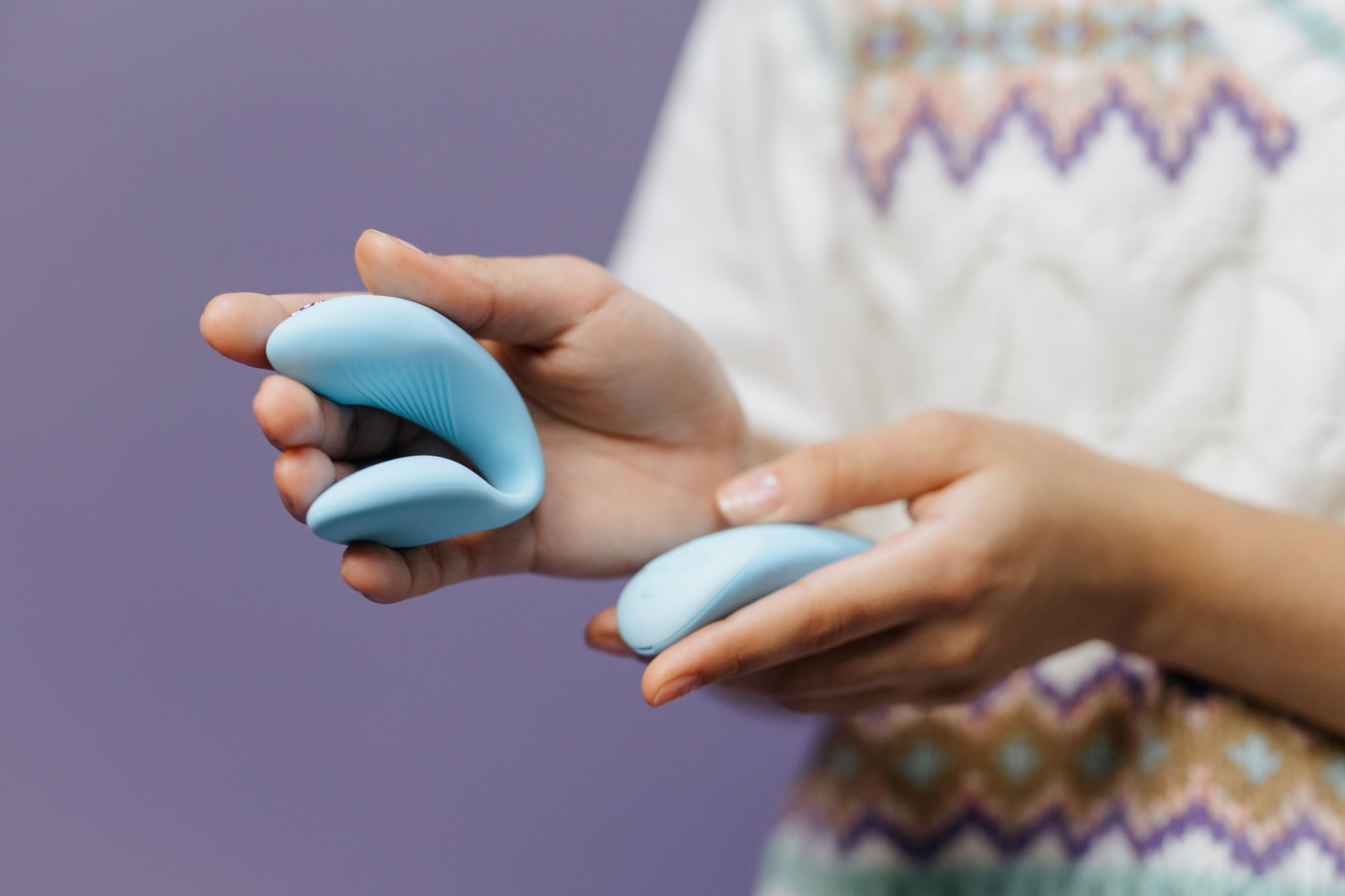
A lemon clitoral vibrator works for this specific problem because it's direct, consistent, and doesn't require your body to generate its own response first. Here's why that matters.
Traditional sex relies on a feedback loop: touch creates sensation, sensation builds arousal, arousal creates lubrication and engorgement, those changes amplify sensation. But when you're stuck in the disconnect, that loop is broken. The vibrator doesn't care. It creates sensation directly, which sometimes triggers the feedback loop to restart. You don't have to wait for your body to cooperate. The tool does the waiting for you.
A lem vibrator specifically uses suction and pulsing rather than raw vibration, which means it works on nerve endings without requiring intense friction or pressure. For people whose sensation is muted or whose bodies feel numb, this gentler stimulation often registers when nothing else does.
The protocol that works
If you're using a lemon adult toy to reconnect sensation with desire, follow this sequence.
Step one: remove the performance pressure. Tell your partner (or yourself, if you're alone) that the goal today is NOT to have an orgasm or to get aroused. The goal is to notice sensation. This is huge. It sounds simple but it's the difference between healing and struggling. When you're not trying to produce a result, your nervous system relaxes enough to actually feel things.
Step two: start with breathwork, not the toy. Spend five to ten minutes doing 4-count in, 6-count out breathing. This activates your parasympathetic nervous system and tells your body it's safe. Your pelvic floor will soften. Your blood pressure drops. Then pick up the vibrator.
Step three: use the lowest setting first. Don't go straight to intensity. Start at pattern 1 or 2. Spend at least five minutes here. The point is to give your nervous system time to register sensation as safe, not to chase a result. If you feel nothing, that's information, not failure. Keep going.
Step four: move slowly up through settings. Once pattern 1 feels noticeable, try pattern 2. Wait. Then pattern 3. This gradual approach prevents overwhelm and gives your body time to recognize sensation as it builds.
Step five: track what you notice, not what you achieve. Did your breathing change? Did your inner thigh tingle? Did you have a moment of feeling present instead of observing? These micro-sensations matter more than orgasm when you're rebuilding the brain-body connection.
Do this 3-4 times before expecting your nervous system to fully rewire. You're not broken. You're just teaching your body a new pathway.
When lemon clitoral vibrators alone aren't enough
If after several sessions the disconnect persists, something else is usually the actual blocker. That something is often worth addressing separately.
If the gap is relationship-based (you don't feel emotionally safe with your partner), a vibrator will help with sensation but won't fix the core issue. You'll likely need couples therapy or direct conversations about trust and vulnerability.
If the gap is from medication, talk to your prescriber about timing (taking your dose after sex instead of before) or switching drugs. Some SSRIs are lower on sexual side effects than others. It's a conversation worth having.
If the gap is from chronic stress, the vibrator helps in the moment but long-term you need stress management. Exercise, sleep, therapy, meditation, or whatever actually settles your nervous system.
If you suspect pelvic floor tension is the culprit, pelvic floor physical therapy will do more than any toy. A pelvic floor PT can teach you to relax those muscles consciously, which transforms sensation.
The lemon sucker is a useful tool in any of these scenarios, but it's not a cure-all.
The mindset shift that changes everything
Here's what I tell couples in my practice: desire and sensation don't always arrive on the same schedule. And that's okay. You don't need them synchronized to have good sex. You just need to know which one you're working with and adjust expectations accordingly.
Some days you'll desire sex and need a lemon vibrator to feel it. Some days you'll be neutral and the vibration will build desire from zero. Both are valid. The only broken thing is the myth that they should always arrive together. Once you stop waiting for that perfect alignment, you're usually halfway to fixing it.
Try using your lem vibrator not as a performance tool but as a permission structure. Permission to feel. Permission to go slow. Permission to take however long you need. That reframe alone changes how your nervous system responds.
Frequently asked questions
Why does my lemon vibrator work sometimes and not others?
Your nervous system has good days and bad days, just like you do. Stress, sleep, your cycle (if you have one), what you ate, how much you're grinding your jaw — all of these affect sensation. A lemon clitoral vibrator can't overcome severe stress or sleep deprivation. If it's not working, ask yourself: Am I actually calm right now? Or am I just trying harder? Usually it's the second one. Step back, breathe, try again when you're more settled.
Can a lemon sucker help if I'm on medication that kills sensation?
Yes, often. Medications don't erase nerve endings. They just reduce signal. A vibrator amplifies signal directly. That said, some medications are more blocking than others. Talk to your doctor about your specific med. Sometimes switching to a sister drug helps. Sometimes timing your dose differently helps. Sometimes a toy plus therapy plus time all work together.
How is a lem vibrator different from a regular vibrator for this issue?
Traditional vibrators use consistent buzziness. Lemon clitoral vibrators use suction patterns that mimic oral stimulation and release, which tends to feel less raw and more nuanced. For people whose sensation is muted, that nuance sometimes registers better. It's not magic, just a different entry point to the same nerve endings. Some people swear by it. Others don't feel a difference. Try it and see.
What if I use the lemon vibrator and still feel nothing?
That's important information. It might mean your nervous system needs more time to downregulate. It might mean the actual blocker is emotional or relational, not physical. It might mean this particular tool isn't your tool. Try it 4-5 times before assuming it won't work. If nothing shifts, consider talking to a therapist or your doctor. Sometimes sensation reconnection needs professional support.
Is using a lemon adult toy a sign I'm not attracted to my partner anymore?
Absolutely not. Using a clitoral vibrator has nothing to do with attraction. It's a tool for bridging a gap between what you want and what your nervous system is offering. Plenty of people in passionate relationships use lemon sexual toys. Plenty of people who use them are wildly attracted to their partner. These things aren't connected.
How do I tell my partner I want to use a lemon clitoral vibrator for this?
Most easily by being honest: "My desire is there but my body isn't responding like I want it to. I'd like to try using a vibrator to help. It's not about you. It's about helping me reconnect." If your partner is secure, they'll get it. If they make it weird, that might be worth a bigger conversation. But usually when you're clear that it's a tool, not a replacement, people are fine.
The takeaway
Desire without sensation sucks. But it's not permanent and it's usually fixable. A lemon vibrator can help rewire that brain-body connection, but only if you use it with the right mindset: slow, curious, no pressure, no performance. Give yourself time. Your nervous system will catch up.