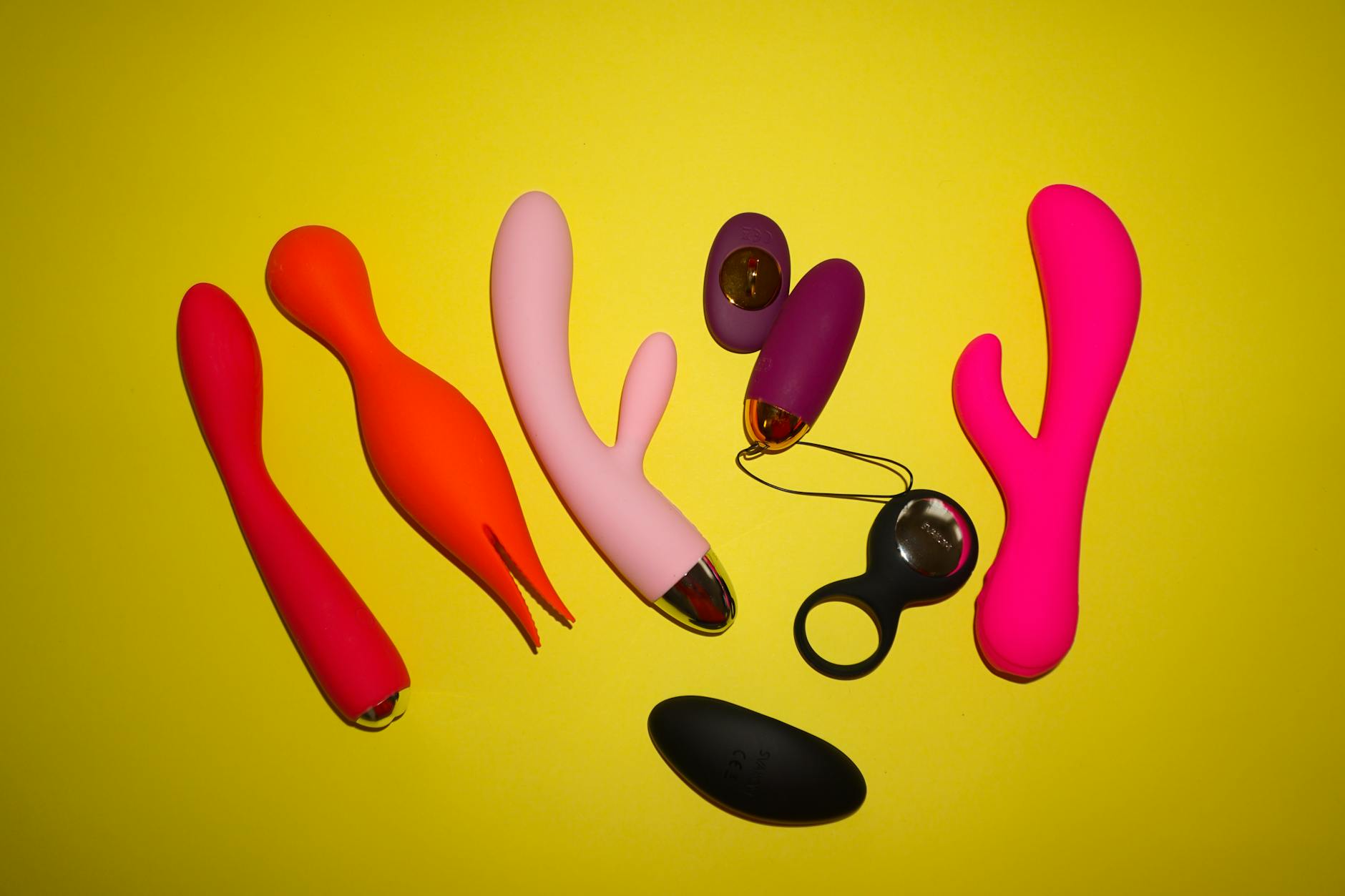
Let's be real about new partner intimacy
You've met someone. The connection is there. You're ready to move toward physical intimacy, and then suddenly a question hits: how do you introduce pleasure in a way that feels confident, not apologetic? How do you bring a lemon vibrator into that first intimate moment without it feeling like a declaration of "I need help to come"?
Here's what I tell my clients: introducing a lemon clitoral vibrator early in a relationship isn't a workaround. It's actually the clearest way to start building shared pleasure language from day one. And that's worth doing right.
Why new partners actually benefit from talking about this first
Most people delay the vibrator conversation because they're afraid it'll signal neediness or shame. The opposite is true. When you introduce a lemon vibrator before the pressure builds, you're doing two things simultaneously: you're showing your partner what brings you genuine pleasure, and you're demonstrating that you trust them enough to be honest about it.
A study from the Journal of Sexual Medicine found that couples who communicated about pleasure tools early reported higher sexual satisfaction and less performance anxiety overall. That's not coincidence. When both people show up curious instead of defensive, you skip months of guessing games.
The other thing that happens: if you lead with "this is what I enjoy," your partner doesn't have to guess whether they're doing something "right." You've literally shown them the answer. That's a gift.
The conversation before the moment
Don't spring a lemon vibrator on someone. Not even as a positive surprise. Here's why: your partner needs a moment to think about it, feel okay with it, and arrive at the moment with curiosity instead of shock.
The opening line matters. Try: "I love how things are progressing with us, and I want to be honest about something that helps me feel good. There's this clitoral vibrator I really like." Then stop. Let them ask questions.
If they ask what it does, say: "It uses suction instead of vibration. It feels really different from anything else, and I get a lot more sensation from it." If they ask whether you need it, you say: "I don't need it, but I love what it does. And I'd love to explore that with you."
That's it. Simple. Clear. No apology.
If your partner seems hesitant, ask: "What's coming up for you?" Most hesitation isn't about the toy. It's about feeling replaced, or worrying that penetration won't be enough, or just needing a second to adjust to the idea. Those are real feelings, and they're worth naming instead of glossing over.
How to actually introduce it in the moment
Let's say you've had the conversation. You're together. The moment is happening. Now what?
Start without it. You want full arousal, full presence, full attention on each other first. A lemon vibrator isn't a shortcut to arousal. It's an amplifier of arousal that's already building. Spend 10-15 minutes on foreplay, touching, kissing, getting present together. You want to reach that place where stimulation feels good but you're not quite there yet.
Then introduce it slowly. Don't hand it over like you're passing a baton in a relay race. Instead: "I want to try that thing I mentioned." Reach for it from the nightstand. Show them how you'd use it. Most lemon clitoral vibrators like the Lem have multiple patterns. Start on the lowest setting. Let them watch. Let them feel what it does.
Here's what happens neurologically: your partner sees you responding. They feel the vibration against them. They watch your body shift. That combination of visual, tactile, and sensory information actually increases their own arousal and makes them feel included instead of replaced. They're not watching you do something alone. They're watching you reach a different level of sensation together.
If your partner wants to hold it, or angle it, or be more hands-on, let them. This is the moment where the toy becomes collaborative instead of solo. That shift matters for how they'll feel about it long-term.
The patterns that work best when someone else is present
When you're using a lemon clitoral vibrator alone, you know your body and can adjust instantly. With a partner, you need to communicate more. Here's what I recommend:
Start with a gentle, steady pattern. Most lemon sucker vibrators offer a foundational pulse that builds stimulation without overwhelming. Stay there for a minute or two. Then if you want intensity, say "stronger" or move to a higher pattern. Your partner learns your language. They see what works.
Avoid jumping between too many patterns. It's tempting to explore, but it also fragments the sensation. Think of it like a song. One verse, build, chorus, then maybe a bridge. The structure matters for the experience.
If you're someone who takes longer to reach orgasm (which is extremely common with new partners because nervousness slows things), a lemon vibrator actually helps. Instead of your partner worrying they're "taking too long," the vibrator gives you direct, consistent stimulation while they're still engaged. You're not stalled. You're building.
What to do if it feels awkward anyway
Sometimes even with good communication, the first time using a lemon clitoral vibrator together feels a bit strange. That's normal. You're introducing a new element, and bodies need a moment to adjust.
Do this: pause for a second. Check in. "How are you feeling?" gives your partner permission to say "good" or "nervous" or "I want to try something different." Then you adjust. Maybe that means backing off. Maybe it means going slower. Maybe it means trying again in a different position.
The goal isn't to force the vibrator into the moment. The goal is to use it as a tool for connection. If it's creating distance, you pause and recalibrate. That's not failure. That's communication, and communication is what actually builds intimacy.
Why lemon vibrators specifically work for new relationships
Lemon clitoral vibrators use air-pulse suction technology instead of traditional vibration. For new partners, this matters because the sensation is gentler on the first uses and doesn't require you to guide your partner through intense mechanics. They can focus on presence instead of precision.
The other thing: because the stimulation is concentrated and consistent, you don't need long sessions to feel the effects. That's useful when you're still figuring out timing and pacing together. You're not stalled waiting for sensation to build. You're moving at a real rhythm.
After the first time
Don't vanish the lemon vibrator back into a drawer like it was a one-off experiment. Instead, let it become part of your regular pleasure language. Some times you'll use it. Some times you won't. The point is it becomes a normal option, not a big negotiation.
If your partner wants to learn how to use it on you, show them. If they want to incorporate it into their own pleasure, support that. The more collaborative the relationship to pleasure tools, the more connected you both feel to the whole experience.
One more thing: check in after a few weeks. "How do you feel about things now?" Not just about the vibrator. About the relationship. About intimacy. New partners who communicate openly about pleasure also tend to communicate more openly about everything else. That's the real payoff.
People also ask
What if my new partner refuses to use a lemon vibrator with me?
That's information. It tells you something about their relationship to pleasure, shame, or control. A partner who shuts down the conversation without curiosity is showing you how they might handle other vulnerable topics later. That doesn't mean you break up. It means you listen to what the refusal is actually about. "I'm worried it means I'm not enough" is different from "I just don't want toys in our sex life." The first one is fixable. The second one is a real incompatibility if you value using lemon clitoral vibrators.
Should I wait until we've had sex before introducing a vibrator?
Not necessarily. If you've built rapport and communication, bringing it up earlier removes pressure. You're not introducing it after someone's already feeling vulnerable about "performance." You're introducing it as part of the landscape before that vulnerability arrives. That said, wait until you're actually planning intimacy. The parking lot is not the time.
How many patterns should I use the first time?
One or two. Stick with gentle and consistent. The goal isn't to showcase the lemon vibrator's full range. The goal is to let your partner see how your body responds and feel comfortable being part of that. Complexity comes later when you're both relaxed.
Can I suggest a lemon vibrator without making my partner feel insecure?
Yes, if you frame it as additive instead of substitutive. "This is something I love, and I want to explore it with you" is not the same as "I need this because you're not enough." The first is honest desire. The second is reassurance disguised as desire. Be honest. Let them ask questions. Don't over-explain or over-apologize.
What if I'm nervous about my partner judging me?
That nervousness is worth examining. If you genuinely believe your partner would judge you for knowing what feels good, that's a signal about the relationship's foundation. Good partners get curious. They ask questions. They might feel awkward at first, but they don't shame. If you're terrified of judgment, that's worth a deeper conversation before you're in bed together.
How do I introduce a lemon adult toy if we've already been intimate without one?
Different approach, same honesty. "I've been thinking about this, and I want to try something new with you." You're not hiding it. You're not pretending it just arrived. You're saying this is something you want to explore together now. That's enough.
The bottom line
Lemon clitoral vibrators aren't secrets or workarounds. They're communication tools that happen to feel amazing. When you introduce one to a new partner with honesty and curiosity, you're actually building a stronger foundation for the relationship. You're saying: I trust you. I'm comfortable with my own pleasure. I want you to know what that looks like. That's intimate in a way that has nothing to do with the vibrator itself.
Start the conversation early. Keep it simple. Show up curious. And remember: any partner worth building with will see your honesty about pleasure as a strength, not a flaw.