Let's talk about the gap
Sex doesn't disappear the same way it starts. It fades. A few months without it becomes a year. A year stretches into more. Life intervenes. Loss, illness, depression, relationship rupture, burnout, medication changes, body dysphoria. The reasons are real. And now you're thinking about coming back to it, and your body feels like a stranger.
Here's what nobody says clearly: your nervous system hasn't forgotten how to feel pleasure. But it has gone quiet. And reactivating that system takes intention, patience, and the right approach.
Why lemon vibrators work for restarts
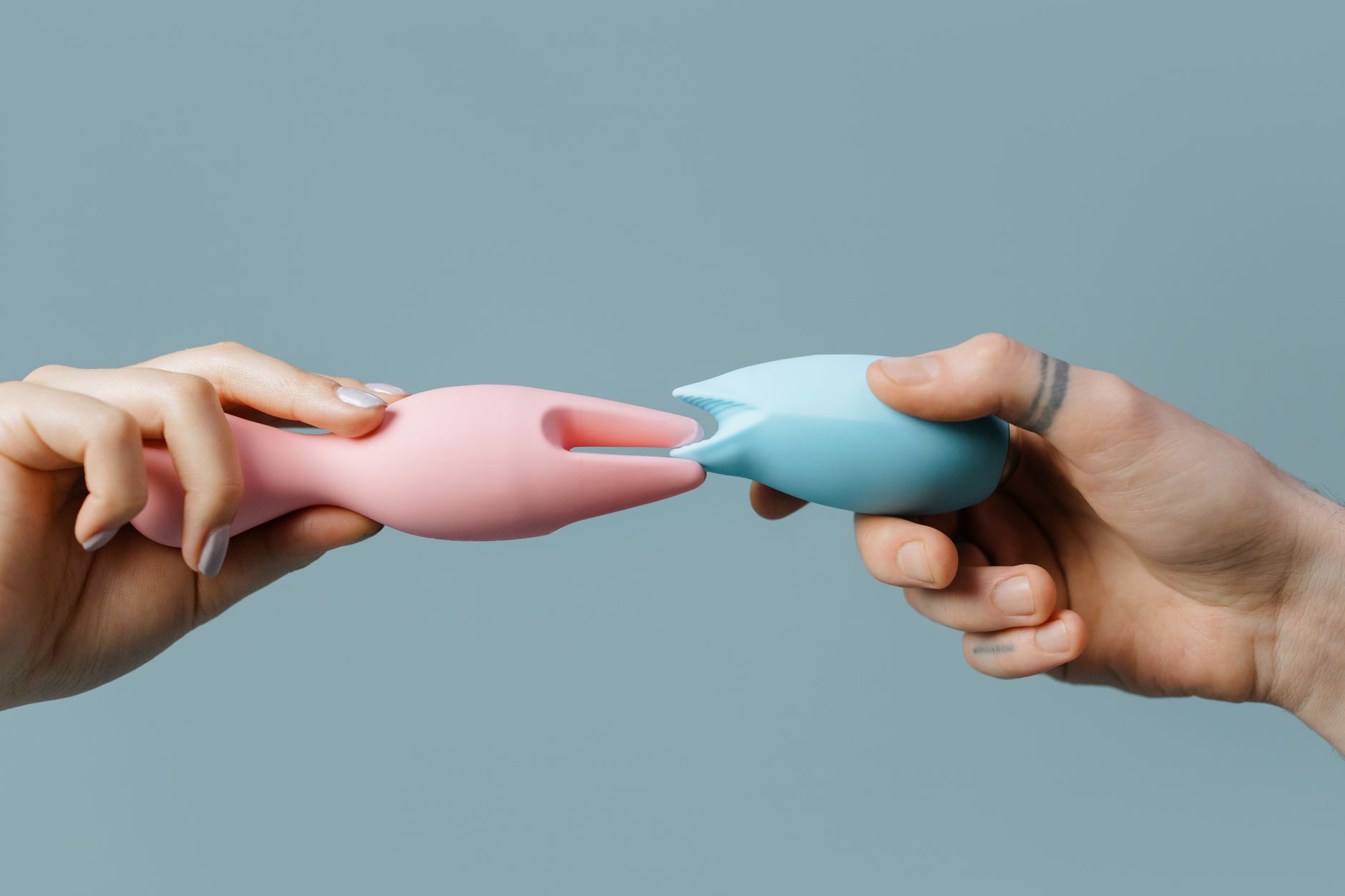
When you've been away from sexual activity for an extended time, your clitoris needs a different kind of stimulation than it did before. The tissue becomes less engorged. The nerves need retraining. Standard friction from fingers or typical vibrators often feels either too much or too little. The lemon clitoral vibrator uses air-suction technology, which creates a gentler, more diffuse sensation. It's not direct pressure. It's more like a conversation with your body rather than a demand.
This matters because returning to sex after a long break isn't about jumping back to what worked before. It's about discovering what works now.
Phase One: Solo exploration (weeks one to three)
Start alone. Not because partnered sex is wrong, but because you need to relearn your own landscape without an audience or timeline.
Set aside 20 to 30 minutes when you're not tired, not rushed, and genuinely curious. Not obligated. Curiosity is the engine here. Choose a space where you feel safe and won't be interrupted.
Begin without the lemon clitoral vibrator. Spend time with your body. Look at yourself. Touch your arms, your belly, the inside of your thighs. This isn't necessarily erotic. It's reacquaintance. Your nervous system needs to remember that touch is okay.
When you're ready, introduce the lemon vibrator on the lowest setting. Start on the outer areas first. Your inner thighs, the outer labia, the area around the clitoris but not directly on it. The goal is sensation, not orgasm. Let your body respond at its own speed. Some sessions you'll feel almost nothing. That's normal. Keep going.
Over a few weeks, gradually work closer to the clitoris. When you finally apply the lemon sucker directly, start with the gentlest suction level and let it sit there. You're not trying to achieve anything. You're just allowing your nerve endings to wake up.
Phase Two: Reintroduction to arousal (weeks three to eight)
Now you're building a pattern. Two or three times a week, use your lemon sexual toy deliberately. Not checking off a box. But showing up.
Add a little narrative. What turns you on now might be completely different from before. Old fantasies might feel stale. New ones might surprise you. There's no obligation to want what you wanted before. Your brain chemistry has shifted. Your body has shifted. Honor that.
With the lemon clitoral vibrator, you can play with patterns now. Try the pulsing modes. Try moving it slightly. Notice what creates that flutter of response. When you feel a flutter, stay there. Don't chase orgasm. Just let arousal build and fall, build and fall. This rewires your nervous system back into pleasure mode.
Most people restarting sexual activity report that orgasms feel different or don't arrive easily at first. This is not a malfunction. This is recalibration. Keep exploring without the goal of climax. The orgasms come back once your body trusts the process.
Phase Three: Partnered exploration (week six onward)
When you're ready to involve a partner, start with non-sexual touch. Massage. Cuddling. Your partner's hands on your skin. Nothing goal-oriented.
Then introduce your lemon vibrator into the mix. You might use it while they hold you. You might use it while they're present but not touching. You might use it together during foreplay.
Here's the crucial part: talk about it before, not during. "I'd like to use my lemon clitoral vibrator during foreplay. I'm rebuilding sensation, so it might take longer than you remember. That's okay. I just need you present." Make it about reconnection, not about fixing something broken.
If your partner was present during the gap (during the time when sex stopped), there might be some emotional weight. Long stretches without intimacy can make partners feel rejected, even when the absence had nothing to do with them. Talking about restarting as a team, not a solo recovery project, matters.
What to expect physically
Your body might need time to relearn arousal. Some people experience sensation returning quickly. Others take weeks. Clitoral numbness after a long break is real, and it usually resolves with consistent, gentle stimulation.
Vaginal dryness is also common, even if you've used lubrication in the past. Water-based lubricant is your friend. Use it liberally with your lemon sexual toys. You're not broken if you need it. You're being wise.
Orgasms might feel muted at first. Weaker. Less full-body. This changes. As you rebuild sensation, orgasms become richer and more integrated. It usually takes four to twelve weeks of regular exploration.
Some people's sensitivity increases as they return. If direct clitoral stimulation from the lemon vibrator feels overwhelming, move back slightly. Stimulate the area around the clitoris instead. Build up gradually.
The emotional piece (just as important)
Returning to sex after a long break is not just physical. It's emotional. You might feel vulnerable, exposed, or grief over the time lost. You might feel weird about your body or frustrated that sensation isn't instant.
All of that is normal. Set an expectation with yourself: this is six to twelve weeks of gentle, curious exploration. Not a sprint. Not a performance. Just you and your lemon clitoral vibrator, learning each other again.
If emotions come up during solo exploration, pause. You don't need to process everything in one session. Your body's trauma (if there is any) might need professional support alongside your self-pleasure practice. A therapist who specializes in sexuality can be genuinely helpful here.
When to move beyond the lemon vibrator
You don't have to. The lemon sucker works brilliantly for restarting and can stay part of your toolkit long-term. But as sensation returns and arousal becomes faster and fuller, you might find you want a different texture or pattern. That's fine. Your lemon sexual toy did its job. It brought you back.
Many people who restart with a lemon clitoral vibrator find they want to keep it alongside other toys. The air-suction sensation is uniquely good for sensitive rebuilding. And once sensitivity returns, it's still reliably intense.
FAQ: Returning to Sex After a Long Break
How long does it usually take for sensation to return when using a lemon vibrator?
Sensation rebuilding is individual. Some people notice changes within two weeks of consistent use. Others take six to eight weeks. The key is consistency, not intensity. Using your lemon clitoral vibrator two to three times a week will show results faster than sporadic use. If you're not feeling progress after eight weeks, check that you're starting gently enough. Many people restart too aggressively, which can feel numb rather than pleasurable.
Can I use a lemon vibrator if I have vulvodynia or general pain sensitivity?
Yes, but carefully. The air-suction technology of the lemon clitoral vibrator is gentler than direct vibration, which makes it better for sensitive skin than many alternatives. Start on the lowest setting, begin away from the most sensitive areas, and only work toward the clitoris if it feels good. If pain appears rather than pleasure, stop and consider working with a pelvic floor physical therapist or gynecologist alongside your self-exploration.
Is it normal to not orgasm for the first few weeks when restarting?
Completely normal. Your nervous system has been in a holding pattern. Orgasm requires arousal, relaxation, and trust all working together. The first few weeks are about waking up sensation, not chasing climax. When you let go of the goal, orgasms usually return faster.
Should I tell my partner I'm using a lemon vibrator to restart?
If you're in a relationship, yes. Honesty builds trust, and restarting sex involves both of you. You don't need to invite them into every solo session, but they should know you're rebuilding sensation and how you're doing it. This prevents misunderstandings and actually strengthens reconnection.
What lubricant should I use with my lemon sexual toy?
Water-based lubricant, always. Silicone lubes feel richer but can damage silicone toys. Your lemon vibrator works beautifully with water-based lube and needs it less than some toys because the suction creates its own moisture. But adding lube makes the experience smoother and more comfortable as you rebuild sensitivity.
Can I use a lemon clitoral vibrator if I'm on antidepressants that affect arousal?
Yes. In fact, many people find that combining a lemon vibrator with consistent self-pleasure practice helps counteract medication-related arousal dampening. The key is persistence and patience. Some medications make sensation harder to access, but not impossible. Your lemon sexual toy can help you work with your nervous system rather than against it.
The actual return
Returning to sex after a long break isn't about reclaiming something lost. It's about building something new that fits who you are now. Your lemon clitoral vibrator is a tool for that rebuilding. It's patient, it's adjustable, and it works with your body's actual timeline, not the timeline you think you should be on.
Your pleasure matters. Your sensitivity matters. And the time you take to reconnect with both is time well spent. If you have questions about restarting or want more guidance on using lemon vibrators for your specific situation, we're here. Reach out at /contact.
References
- Brotto, L. A., & Yule, M. A. (2017). "Asexuality: Sexual orientation, paraphilias, and other atypical sexualities." Annual Review of Clinical Psychology, 13, 585-604.
- Kingsberg, S. A., Woodard, T. (2015). "Female sexual dysfunction: Focus on low desire." Obstetrics and Gynecology, 125(2), 477-486.
- Tao, P. (2006). "Top ten practical suggestions for improving adherence to antidepressant therapy." Current Medical Research and Opinion, 22(3), 499-509.