Let's talk about the part nobody prepares you for
Miscarriage and pregnancy loss rewrite your relationship with your body. You're grieving, you're bleeding, you're watching hormones crash. And somewhere in that mess, you might feel desire. Or you might feel nothing. Or you might feel guilty for feeling anything at all. All of that is completely normal, and none of it disqualifies you from pleasure when you're ready.
I work with people navigating this loss every week. The pattern I see is the same: confusion about timing, fear of what reconnecting with pleasure means emotionally, and uncertainty about whether their body is even safe to touch right now. This is what you actually need to know.
The physical reality of post-loss recovery
Your body after miscarriage is not the same as your body before. Physically, there's bleeding (sometimes for weeks), cramping, and tissue sensitivity. Hormonally, you're in freefall. Progesterone that was climbing is dropping fast. HCG that was rising is falling. Your uterus is contracting back down. Everything hurts differently.
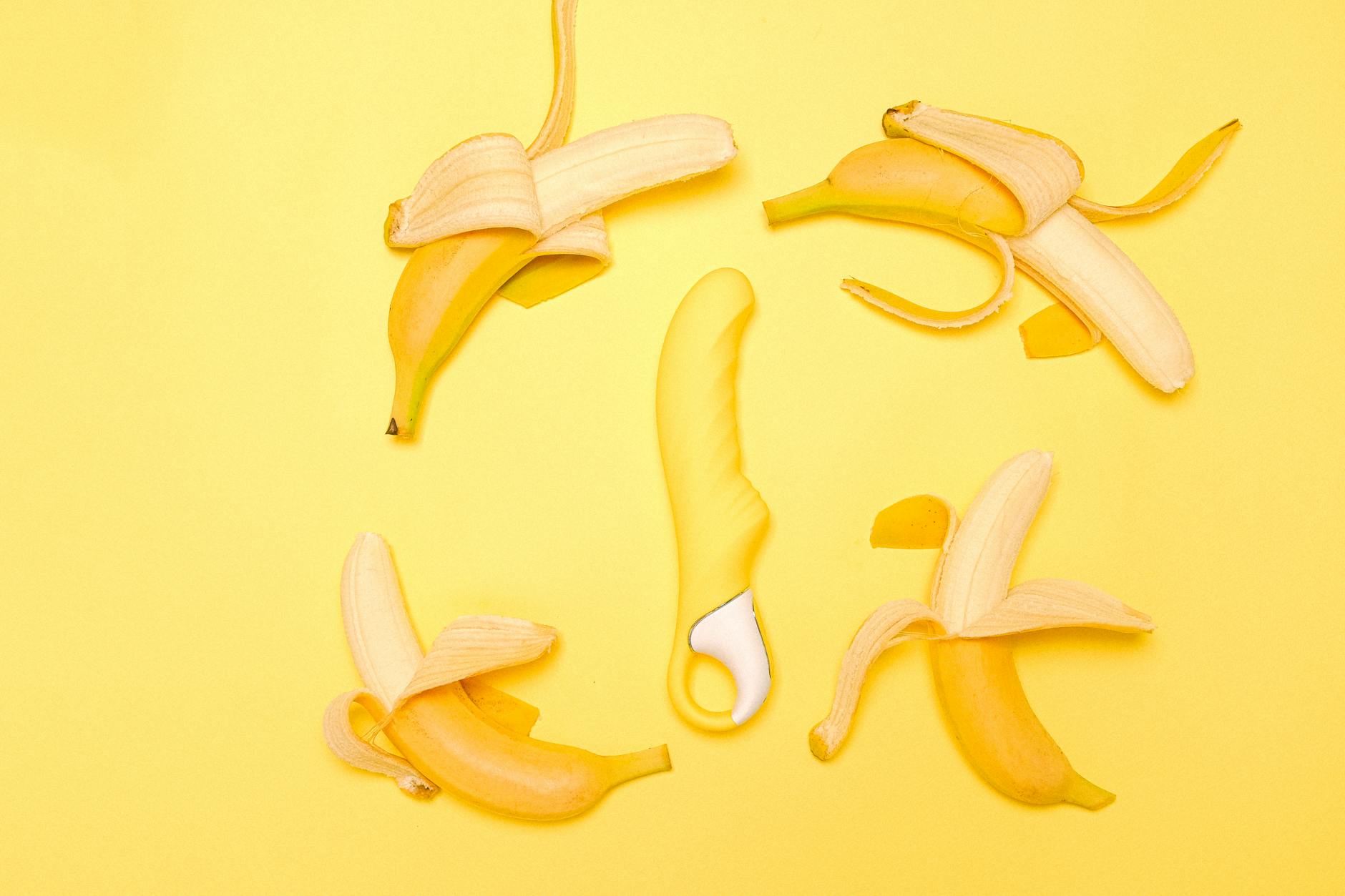
This matters because a lemon vibrator works through suction and gentle pulsation, which is actually gentler on sensitive tissue than friction-based toys. But gentle doesn't mean immediately. There's a window of time where your body needs to heal before any internal or external stimulation makes sense.
Most doctors recommend waiting until bleeding has completely stopped and any cramping has settled, typically 1-3 weeks depending on how far along the pregnancy was. If you had a D&C or needed medical intervention, follow your doctor's specific timeline. That's not a suggestion. That's a boundary.
What happens emotionally when you touch yourself again
Here's the part therapy doesn't always prepare you for: your body remembers what it was preparing for. Touching yourself, being touched, or using a lemon vibrator can bring up grief you didn't know was sitting there. You might feel pleasure and then suddenly feel rage or sadness. You might not feel anything at all.
This is not you being broken. This is integration. Your nervous system is processing loss while trying to remember how to feel good. Those two things don't move at the same pace, and they shouldn't have to.
Many people I work with find that reconnecting with solo pleasure first, before partnered sex, helps. There's no performance pressure, no need to explain why you're crying one second and aroused the next. It's just you and your body, renegotiating trust.
Starting small: the first time after loss
Wait until you're no longer bleeding. That's the floor.
When you do restart, think of it as reintroduction, not resumption. Your sensitivity will have changed. Tissues that felt one way before loss might feel different now. Arousal might take longer to build or might come faster. Both are normal.
With a lemon clitoral vibrator, I recommend:
Start at the lowest pattern. The Lem has multiple intensity settings for exactly this reason. You're not testing yourself or proving readiness. You're gathering data about what your body needs right now.
Use plenty of lubrication. Even if you didn't need it before, post-loss hormones can reduce natural lubrication. Water-based lubricant is your friend and costs nothing in terms of emotional overhead.
Give yourself permission to stop. If emotions come up, they're not a failure of the process. Pause. Feel it. Decide if you want to continue or if you need to rest instead. Your body isn't broken for having a grief response during pleasure.
Set a realistic time frame. Don't expect to feel the way you did before. That person is changed now. The pleasure might be quieter, deeper, or more loaded with emotion. Let it be what it is.
The conversation with a partner, if there is one
If you have a partner, this is where a lot of couples get stuck. They're grieving too. They're scared of hurting you. They feel responsible and helpless. And you're trying to figure out if sex feels like connection or feels like erasure.
This deserves a conversation that happens outside the bedroom, when neither of you is vulnerable or touching. Say something like: "My body is healing, and I want to reconnect with pleasure on my own terms, in my own time. Here's what helps and here's what doesn't."
Sometimes "what helps" is space. Sometimes it's gentle, specific touch. Sometimes it's them holding you while you use a lemon vibrator. Sometimes it's them leaving the room. All of that is valid and changes as you heal.
The worst thing a partner can do is pretend the loss didn't happen. The second-worst is treating you like you're fragile. You're grieving and healing at the same time. That's not fragility. That's resilience in real time.
When to be cautious about intensity
If you experienced a traumatic miscarriage, if there's medical complexity, or if you have a history of sexual trauma, adding pleasure back in needs extra care. This isn't about being fragile. It's about respecting what your nervous system has been through.
Therapy or somatic work can help if pleasure feels loaded with shame or fear. There's no timeline for that processing. Healing doesn't move linearly, and reconnecting with your body sexually is part of reclaiming yourself after loss. Do it at a pace that feels honest.
Why the Lem works for this moment
Lemon vibrators, particularly air-suction models like the Lem, are gentler on sensitive tissue than traditional vibrators. They create a sucking sensation rather than aggressive buzzing, which many people find less intense and more focused. After loss, when your body is hypersensitive and your emotions are high, that kind of precision matters.
You're not using it to chase an orgasm you're not sure you want. You're using it as a way to say: my body belongs to me, and I'm ready to feel good again. That's profound, and it deserves a tool that matches that intention.
The timeline no one talks about
Physically, you can start reconnecting after bleeding stops, typically 1-3 weeks. Emotionally, the timeline is different for everyone. Some people feel ready in a month. Some take six months. Some need a year. Your partner might heal at a different pace than you. This is where couples therapy earns its keep.
One thing I tell every person I work with: pleasure after loss isn't about "moving on." It's about integrating what happened into who you are now. You're not the same person you were before this loss, and you don't have to pretend to be. Your pleasure doesn't erase the grief. It coexists with it.
Questions that come up
Can I hurt myself by using a vibrator too soon? Yes. Aggressive stimulation while you're actively bleeding or cramping can increase bleeding or cause cramping. That's why waiting until bleeding stops is important.
Will I feel the same pleasure I did before? Not at first, maybe not ever in the same way. The context changed. Your body changed. Your nervous system changed. That doesn't make new pleasure less valid.
Is it normal to feel weird emotions during sex after loss? So normal. Your body and your heart are processing two different things. That dissonance is the point where healing happens.
Should I tell my partner I'm using a vibrator? That depends on your relationship structure. In monogamous relationships with communication, yes. In relationships where solo pleasure is private, it's your call. There's no universal answer.
What to actually do this week
If you're still bleeding, rest. Let your body do what it's designed to do without adding any stimulation yet. Use a heating pad. Sleep. Grieve.
If bleeding has stopped but you're not sure if you're ready emotionally, that's the signal to wait a bit longer. There's no prize for speed here.
If you feel a genuine spark of wanting to touch yourself again, honor that. Grab water-based lubricant, give yourself privacy and time, and start with the gentlest setting. Notice what your body needs. That's all you're doing right now.
Grief and pleasure aren't opposites. They can happen in the same moment. Your body is smart enough to hold both. Trust that.
People also ask
Can I use a lemon clitoral vibrator while I'm still bleeding after a miscarriage?
No. Wait until bleeding has completely stopped. Stimulation during active bleeding can increase flow and cramping and interfere with your body's natural healing process. Once bleeding has ceased and any cramping has resolved, usually 1-3 weeks depending on how far along the pregnancy was, reconnecting with pleasure is safer. If you're unsure about your specific timeline, check with your doctor.
Will using a vibrator after pregnancy loss bring up grief?
It might. For many people, reconnecting with physical pleasure after loss triggers emotional release. That's not a sign you're doing it wrong. It's a sign your nervous system is processing grief alongside sensation. If emotions come up, pause, feel them, and decide whether you want to continue or rest instead. Both are healthy choices.
How long should I wait before using a vibrator after a miscarriage?
Wait until bleeding has completely stopped and cramping has settled, typically 1-3 weeks. If you had a D&C or other medical procedure, follow your doctor's specific guidance. Emotionally, there's no timeline. Some people are ready in weeks. Others need months or longer. Your timeline is the right one.
Is it normal for a lemon vibrator to feel different after pregnancy loss?
Completely normal. Your tissue sensitivity has changed, your hormones are shifting, and your emotional state is different. The Lem might feel intense when it didn't before, or it might feel less intense. That's your body giving you information, not a sign of dysfunction. Adjust intensity or take a break as needed.
Can I use a vibrator while my partner and I are grieving the same loss?
Yes, but it's separate from your grief conversation. Using a vibrator solo is different from partnered sex, which is different from grieving together. All three might be happening at the same time. This is where clear communication outside the bedroom helps. Say what you need, listen to what your partner needs, and let those be two truths.
Should I see a doctor before using a vibrator again?
If you're past the initial bleeding phase and feel physically healed, you don't need clearance to use a vibrator. If you're experiencing unusual pain, excessive bleeding, or other complications, see your doctor before adding any stimulation. For emotional processing around loss and pleasure, a therapist is invaluable.
What comes next
Your body and your heart are on separate healing schedules right now. That's not a problem to solve. It's a reality to work with. Using a lemon vibrator after pregnancy loss isn't about "getting back to normal." Normal is gone. What's ahead is integration. You're taking the version of yourself that's grieving and the version of yourself that can feel pleasure, and you're learning to let both exist.
If you need support navigating intimacy after loss or want to talk through what reconnecting with pleasure looks like for you and your relationship, reach out to someone trained in this. A therapist specializing in grief, a sex therapist, or a couples counselor can help you move at your own pace. There's no rush.
Your desire, your grief, and your body all deserve respect. Start there.