Let's start with what vulvodynia actually does to your body
Vulvodynia is chronic pain in the vulva with no clear medical cause. It's not an infection, it's not a rash, and it's not something you're imagining. What it does is rewire how your nervous system receives touch in that area. Treatment works, but it often comes with a side effect nobody talks about: numbness.
Whether you've been through topical treatments, nerve blocks, or physical therapy, your vulva might feel less sensitive afterward. That's not a sign of failure. It's actually part of the healing process. Your nervous system has been in protective mode, sending pain signals to parts of your body that should feel pleasure. Treatment quiets that alarm system. But now you need to gently retrain your nerve endings to respond again.
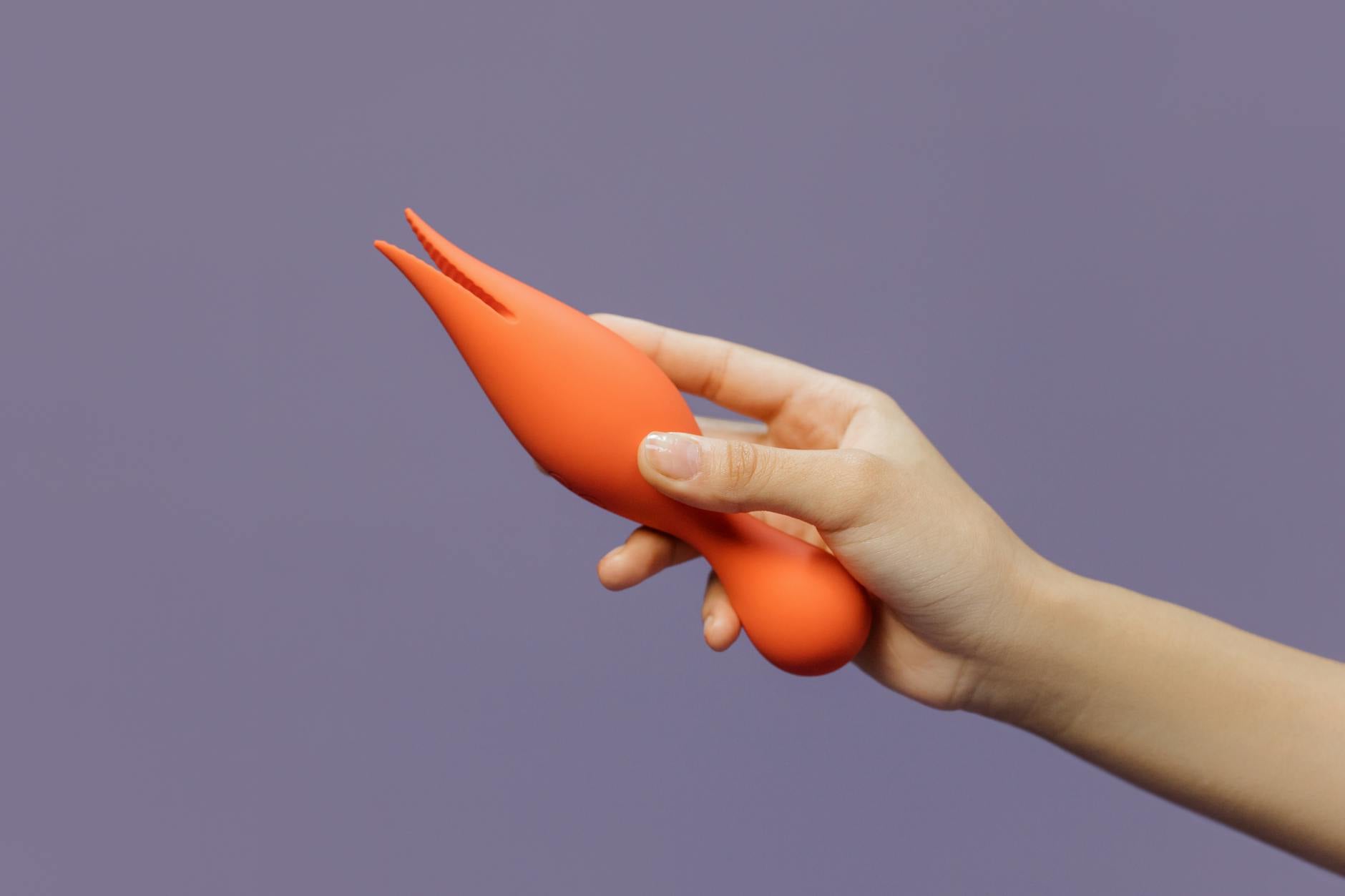
That's where a lemon clitoral vibrator comes in. Not as a Band-Aid, but as a sensory rehabilitation tool.
Why lemon vibrators work differently for post-vulvodynia bodies
Most vibrators deliver consistent, steady vibration. That's excellent for people without nerve damage. For someone recovering from vulvodynia, constant vibration can actually keep nerves in a quieted state. You need something that wakes them up without shocking them.
The lemon vibrator uses air-pulse suction technology instead of traditional vibration. This creates a rhythmic, non-linear stimulation pattern. Your nerve endings respond to variation and novelty far more readily than they respond to repetitive input. Suction also works on a gentler tissue level than direct friction vibration does, which matters when you're rebuilding trust between your body and pleasure.
Second, the lemon vibrator's design concentrates stimulation in a tight area without spreading pressure across the vulva. Post-vulvodynia bodies often have trigger points. A clitoral vibrator lets you target just the responsive tissue and avoid the zones that are still healing.
The first week: finding your baseline
Start by using your lemon vibrator with no expectation of pleasure or orgasm. Sounds counterintuitive, but this matters. Your nervous system learned to brace for pain in this area. You're asking it to unlearn that. Pressure and performance make that harder.
Use the lowest setting. Most air-pulse lemon sexual toys have 3-5 patterns and 8-10 intensity levels. Stay at level 1 or 2. Rest it against the clitoral hood (the tissue covering the clitoris) rather than the clitoris itself. You're looking for sensation awareness, not arousal.
Do this for 5-10 minutes every other day. Not daily. Your nervous system needs recovery time between sessions, just like a muscle does. Keep a simple note about what you feel: tingling, warmth, nothing yet, irritation. This isn't a diary. It's data.
Week two through four: introducing variation
Once you've done a baseline week without increased pain or irritation, start playing with patterns. Most lemon vibrators have multiple pulse sequences. Pattern 1 might be a steady pulse, Pattern 2 might be waves, Pattern 3 might be escalating intensity. Spend 2-3 days on each pattern before moving on.
The goal is to teach your nerve endings that different types of stimulation exist and that they're safe. Variation prevents habituation, which is when your body stops responding to the same input. By changing patterns regularly, you're keeping your nervous system engaged.
If you start feeling pain or increased sensitivity, stop immediately and go back to lower intensity and simpler patterns. Pain is information. It's not weakness or failure.
Building duration and intensity gradually
After four weeks of consistent baseline work, most people can extend sessions to 12-15 minutes. Still not aiming for orgasm. You're building a new neural pathway that says this area equals safety and sensation, not pain.
Now you can start increasing intensity by one level every week or two. Move from level 2 to level 3 only when level 2 feels genuinely comfortable and pleasurable. This pace sounds slow. It's actually the fastest your nervous system can safely rewire.
If you've had severe vulvodynia or longer treatment duration, this timeline might extend to 8-12 weeks instead of 4-6. That's normal. Rushing creates setbacks.
Reintroducing pleasure without pressure
Sometime between week 6 and week 10, many people notice something shift. The lemon clitoral vibrator stops feeling like a recovery tool and starts feeling like something that generates actual pleasure. That's the signal you've been waiting for.
When that happens, you can start using it the way you'd use any toy. Longer sessions, higher intensity, whatever feels good. But notice the word I used: feels good. Not feels like you should. Not feels like you used to. This is new sensation territory. Honor that.
Many people find that orgasms are different post-vulvodynia. Sometimes they're harder to reach. Sometimes they're more intense. Sometimes they're just weird and unfamiliar. All of that is fine. Your body isn't broken. It's healing.
What to avoid during recovery
Don't try to force arousal. If you're using your lemon vibrator with a partner and they're expecting sexual results, that pressure will shut down recovery. Use it solo while you're rebuilding. You can reintegrate a partner into pleasure once you've reestablished your own connection.
Don't skip the lower-intensity phase because you're impatient. I've seen people set recovery back three months by jumping to level 5 intensity in week two. The suction technology in lemon adult toys is powerful. Your healing nervous system needs time to acclimate.
Don't compare your recovery timeline to anyone else's. Vulvodynia severity varies wildly. Someone else might be at full-intensity pleasure in six weeks. You might need four months. Both are completely normal.
When to check in with your provider
If you start using your lemon vibrator for recovery and pain increases instead of stabilizing or improving after the first two weeks, contact the provider who treated your vulvodynia. That's not a sign that the vibrator approach won't work. It might mean your nervous system needs a different pace or that something else is happening that deserves clinical attention.
If numbness hasn't improved at all after 8 weeks of consistent use, that's also worth mentioning. Most people see small sensation improvements within 4-6 weeks. No improvement after 8 weeks might indicate you need additional support.
The role of emotional recovery
Here's the part that matters most and gets mentioned least. Vulvodynia isn't just a nerve problem. It's also a trauma for your body. You learned that touch in this area means pain. That's a powerful association. Using a lemon clitoral vibrator isn't just about building neural pathways. It's about your nervous system learning to trust pleasure again.
That takes more than a toy. It takes patience with yourself. It takes gentleness when you want to rush. It takes stopping when something doesn't feel right instead of pushing through. If you also need to work with a therapist on the emotional side of recovery, that's not a separate thing. It's part of the same healing.
Frequently asked questions
How soon after vulvodynia treatment can I start using a vibrator?
Wait until your provider clears you for sexual activity or masturbation. That's usually 2-4 weeks after your final treatment, depending on what treatment you had. If your provider says you can masturbate, you can use a lemon vibrator. If they say wait, wait. This isn't a judgment call you're making alone.
Will using a lemon vibrator make my vulvodynia come back?
No. Gentle, gradual sensory retraining actually helps prevent relapse. What could cause problems is pushing too hard too fast. That's why the slow progression matters. A properly paced approach with a lemon clitoral vibrator supports long-term recovery, not regression.
Can I use my lemon vibrator with a partner during recovery?
Eventually, yes. But not immediately. During the first 4-8 weeks, use it solo. Your nervous system is learning something new, and partner dynamics can add pressure. Once you've rebuilt your own sensation and your own comfort, bringing a partner into the experience can be wonderful. Start with them just watching or holding you, not expecting performance.
Should I use lubricant with my lemon adult toy during recovery?
Absolutely. Water-based lubricant helps reduce friction and makes the suction sensation feel smoother. It also prevents any irritation from repeated sessions. More slip means less resistance, which means less stress on healing tissue.
Why does my lemon vibrator feel intense even on the lowest setting?
Air-pulse suction is more powerful than many people expect. If level 1 feels too intense, try using it through underwear or a thin cloth. This diffuses the sensation and lets your nervous system acclimate to gentler input. After 1-2 weeks, try direct contact again. Most people can work down to direct contact by week 3-4.
How do I know if I'm progressing too slowly or too quickly?
Too slow: you're not seeing any sensation change after 6-8 weeks of consistent use. Too fast: you're experiencing increased pain or irritation during or after sessions. The sweet spot is gentle pleasure-building with no pain. If sessions feel good and you're noticing changes week to week, you're on track.
Your recovery is worth the time
Vulvodynia treatment gets your body back to neutral. Using a lemon clitoral vibrator gets it back to pleasure. That's a different kind of healing, and it takes intention. But it works. When you're retraining your nervous system, there's no rush. Your body remembers how to feel good. You're just reminding it.