
Here's the thing about pelvic floor dysfunction and pleasure
Pelvic floor dysfunction is like a circuit breaker flipped to "off." The muscles are so tight, so protective, that sensation feels muted or completely locked away. Sex becomes something that happens to you rather than something you feel. Many of my clients describe it as numbness paired with pain, which is the cruelest combination because it strips away both pleasure and safety.
But here's what matters: this is temporary. Sensation can return. And a lemon clitoral vibrator, used thoughtfully during recovery, becomes one of the most effective tools for that return journey.
Why pelvic floor tension kills sensation
Your pelvic floor muscles are always doing something. They support your organs, control bladder function, and play a starring role in sexual response. When these muscles are chronically tight (which happens from stress, trauma, childbirth, surgery, or sometimes nothing you can point to), they essentially go into lockdown mode.
Tight muscles restrict blood flow. Restricted blood flow means less oxygen reaching the tissues. Less oxygen equals less sensitivity. The clitoris, which needs blood flow to respond to stimulation, becomes harder to reach. You can be touched directly and feel almost nothing. This isn't psychological, and it isn't permanent. It's purely mechanical.
What makes it worse is the psychological response. After months of not feeling pleasure, many people become scared of touch altogether. The fear creates more tension. The tension creates more numbness. You're stuck in a loop.
How air-suction technology helps pelvic floor recovery differently
Most vibrators rely on vibration alone. Lemon vibrators, including the Lem by Hello Nancyslem, use air-suction technology instead. This matters enormously for pelvic floor dysfunction recovery.
Here's why: suction creates a gentle pulling sensation that mimics the mouth. It doesn't require the same kind of direct friction that traditional vibrators demand. For someone whose pelvic floor is in protection mode, that friction can feel intrusive or painful. Suction feels different. It feels nurturing. It slowly draws blood to the area without aggressive pressure.
This gentle approach gradually "wakes up" the nervous system. Your body learns that stimulation doesn't have to be aggressive to be real. You begin rebuilding trust.
Starting your recovery with a lemon clitoral vibrator
If you're in active pelvic floor physical therapy, check with your PT first. Most will encourage gentle stimulation alongside therapy, but timing matters. Here's the protocol I recommend to most of my clients in recovery:
Week one: sensation mapping without suction. Use the Lem or similar lemon vibrator turned completely off. Run it slowly across the vulva, taking 15-20 minutes just to reconnect with what you can feel. This is not about orgasm. It's about relearning sensation. Most people are shocked at how much they can't feel. That's the starting point.
Week two: lowest intensity. Turn the suction to pattern 1 or 2. Spend 5-10 minutes exploring. Start at the inner thighs, the less sensitive areas, and move slowly toward the clitoris. The goal is arousal, not orgasm. If you get aroused, great. If not, that's also information. Your nervous system is recalibrating.
Week three and beyond: gradual intensity increase. You'll feel sensation coming back. It often happens suddenly. One session you feel nothing, the next session the clitoris wakes up. When it does, you can start exploring higher intensities. But move slowly. The instinct is to compensate for lost time by jumping to high intensity. Resist that. Your pelvic floor needs you to stay gentle.
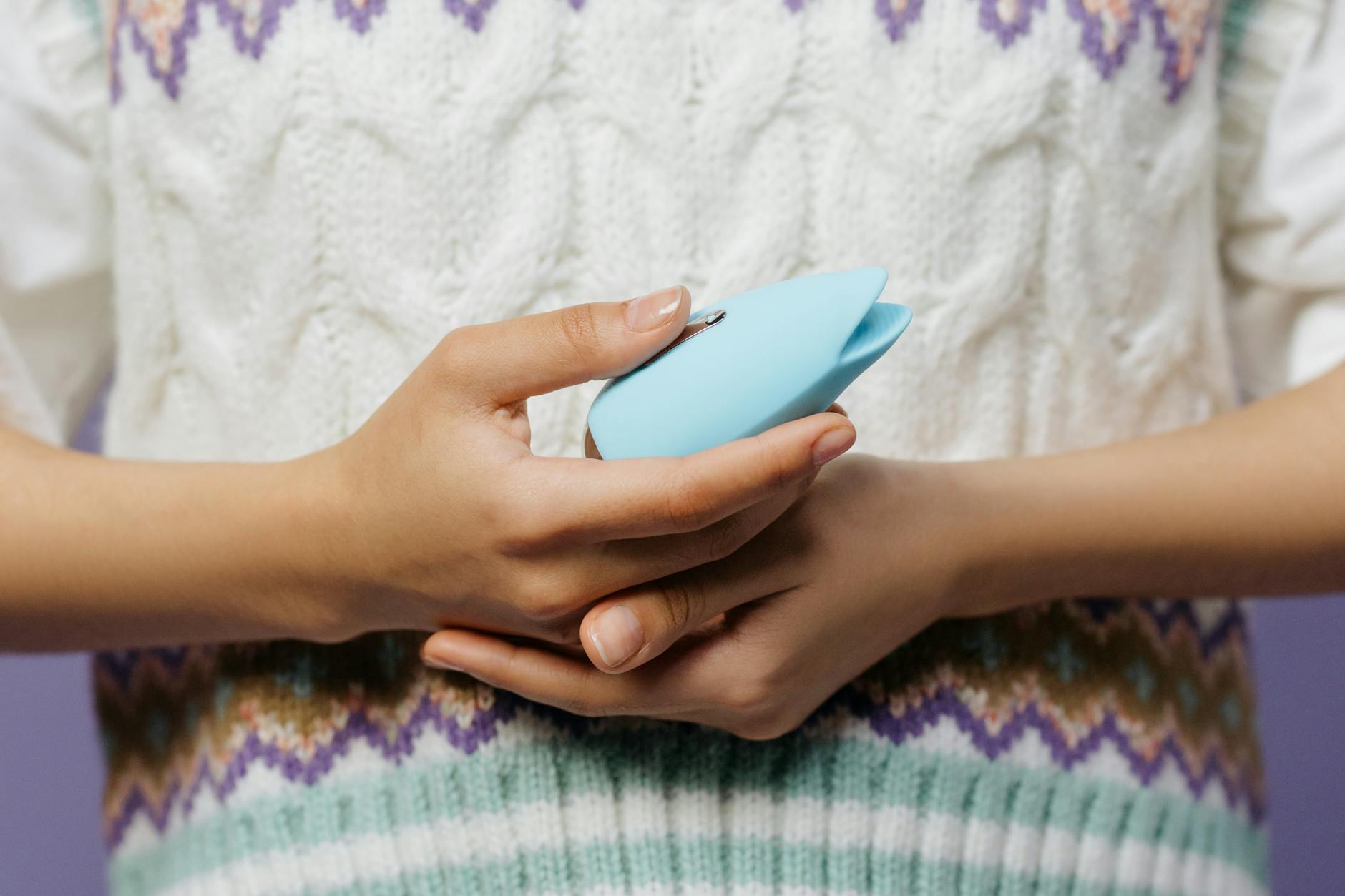
Photo by cottonbro studio on Pexels
The mental side is just as important as the physical side
My clients in pelvic floor recovery often have real trauma connected to their bodies. Maybe the tightness started after painful sex. Maybe it started after surgery where they felt violated. Maybe it's connected to years of feeling like their body wasn't theirs. Using a lemon vibrator isn't just about sensation. It's about reclaiming agency.
This is why I always tell people: you're not trying to "fix" anything. You're relearning your body. That's a different conversation. You're allowed to feel frustrated. You're allowed to feel angry. You're allowed to stop if it doesn't feel right. Your body has been protecting you. Honor that, even as you're asking it to loosen up.
If you have a partner, let them know what you're doing and why. "I'm using this tool to help my body heal" is a completely different conversation than "this is for sex." Many partners, once they understand pelvic floor dysfunction, become genuinely supportive of this recovery work. Some even want to participate, which can be beautiful if you're ready for that.
What to actually do during a session
Set aside 20-30 minutes when you're not rushed. You're not training for a marathon. You're having a conversation with your body. Here's the structure:
Start with deep breaths. Literally. Your pelvic floor is a muscle, and like all muscles, it responds to your nervous system's state. If you're stressed, it'll tighten. If you're calm, it can relax. Spend 2-3 minutes just breathing, letting your shoulders drop, noticing where you're holding tension.
Use a water-based lubricant generously. Your tissues are probably dry from the tension and restricted blood flow. Lubrication makes everything feel less painful and more pleasurable. Apply it inside and outside.
Start with the Lem or another lemon clitoral vibrator off. Map sensation as described above. Then turn it on at the lowest setting. Most lemon suction vibrators have 5-12 intensity levels. You should be working in levels 1-4 for the first month, minimum.
Focus on the outer vulva and the clitoral hood first. The clitoris itself is sensitive; you might need to work around it for weeks before direct contact feels okay. That's normal.
If you feel pain, stop. Pain means your pelvic floor is tightening defensively. You've pushed too far too fast. Back off, breathe, try again next session at a lower intensity.
If you feel pleasure or arousal building, wonderful. But don't chase the orgasm. Let it come or not come. The goal right now is sensation, not climax. Many people in early recovery find that goal-focused thinking actually makes things worse. Pleasure has to be allowed to emerge, not forced.
Photo by Anna Shvets on Pexels
Common setbacks and what they actually mean
You'll have sessions where you feel nothing. Your nervous system is tired. You're stressed about something else. Your cycle is different. None of this means the tool isn't working or that you're broken. It means you're human. Keep going.
You might experience a sudden flare of pain or tension. This sometimes means your pelvic floor is releasing old trauma or emotional charge. This is actually a good sign, though it feels terrible. Back off intensity immediately. Breathe through it. Talk to your physical therapist if it persists.
Some people report that using a lemon vibrator triggers memories or emotions they didn't expect. You're literally waking up nerve endings that have been dormant. That's a lot of information flooding in. If this happens, slow down, cry if you need to, and consider talking to a therapist alongside your PT work.
Pleasure can feel guilty. Years of pain and numbness create a protective belief that you don't deserve sensation, that your body is "too broken" for pleasure. You might feel like you're doing something wrong by using a tool to rebuild pleasure. You're not. Your body deserves to feel good.
When to bring a partner back into this
If you have a partner, you might be terrified about when to resume partnered sex. Pelvic floor dysfunction often means penetration was painful, which means your partner might feel guilty or scared too. Using a lemon clitoral vibrator solo first gives you time to rebuild sensation and confidence on your own terms.
When you do explore partnered touch again, bring the same gentleness you're using solo. A partner can support you by learning where your boundaries are, moving slowly, and understanding that this is a recovery process, not a return to "normal." You might want to explore non-penetrative intimacy for longer than you expected. That's okay. Some of my clients find their best sexual experiences happen during this slower, more intentional phase.
For more on navigating partnered recovery, check out how to use a lemon vibrator when rebuilding intimacy after long-term relationship disconnect.
Patience is the actual ingredient
Pelvic floor dysfunction didn't develop overnight. Recovery won't either. Most people see real sensation shifts within 4-8 weeks of consistent, gentle use. Real pleasure returns within 8-16 weeks. Full restoration can take months. That's not a failure. That's healing.
Your lemon clitoral vibrator is part of this. So is your physical therapy. So is your nervous system regulation. So is your willingness to be patient with yourself. All of it together is what rebuilds sensation.
You're not trying to get back to "before." You're moving forward into something new. And that something new, if you're patient enough to find it, is often richer and more intentional than what came before.
People also ask
Can a lemon vibrator cause more pelvic floor tension?
Only if you're pushing too hard too fast or ignoring pain signals. The Lem and similar lemon clitoral vibrators are designed for gentleness. If you're working at the right intensity, it should feel pleasurable or neutral, never painful. Pain is your signal to stop. The suction mechanism is actually deactivating for many people. If you're experiencing increased tension, talk to your physical therapist about timing and intensity.
How often should I use a lemon vibrator during pelvic floor recovery?
Start with 2-3 times per week, 20-30 minutes per session. Your nervous system needs rest days between sessions to process what's happening. More frequent use isn't faster recovery. It's actually counterproductive because your pelvic floor doesn't get time to relax. Listen to your body. If you feel constantly tense, back off to once weekly.
Is it normal to have no orgasm for months during pelvic floor recovery?
Completely normal. Orgasm requires a relaxed pelvic floor that can contract rhythmically. If your pelvic floor is stuck in tension, it can't do that. The goal in early recovery is sensation and arousal, not orgasm. When your pelvic floor actually relaxes, orgasm often returns naturally. Chasing it will just keep you frustrated.
Can I use a lemon vibrator if I'm still doing pelvic floor physical therapy?
Yes, but check with your PT first. They know your specific situation. Most physical therapists encourage gentle self-touch and stimulation alongside therapy because it helps your nervous system learn that touch is safe. Avoid using a vibrator right before or after a PT session though. Your muscles are already working hard.
What's the difference between a lemon suction vibrator and a regular vibrator for pelvic floor recovery?
Regular vibrators use vibration alone, which can feel intense on sensitive, tight tissue. Lemon clitoral vibrators like the Lem use air-suction, which feels gentler and more like oral stimulation. Suction creates a pulling sensation rather than a buzzing sensation. For pelvic floor dysfunction, this gentler approach usually feels less threatening to your nervous system and often creates better sensation outcomes.
Will using a lemon vibrator affect my ability to have partnered sex again?
Not at all. In fact, it often improves it. By rebuilding sensation solo, you learn what feels good and how your body responds. That knowledge makes partnered sex less scary. You're also rewiring your nervous system to associate touch with pleasure instead of pain. That transfer absolutely carries over to partners.
References
Pelvic floor dysfunction research and recovery approaches referenced in this post draw from clinical evidence in physical therapy, somatic psychology, and sexual medicine. For specific guidance on your situation, consult with a pelvic floor physical therapist or a trauma-informed sex therapist. If you're unsure where to start, reach out to Hello Nancyslem at /contact for resources and recommendations.