The thing no one talks about
Your body goes offline during sex, even though there's nothing physically wrong. You're present, but you're not present. Your partner touches you and it lands like a text message from a stranger. This isn't low desire, and it's not a dead libido. This is emotional numbness, and it's way more common than you'd think.
Here's what's actually happening. When anxiety, hurt, or relationship tension builds over weeks or months, your nervous system learns to protect itself by switching off sensation. Your brain essentially says, "If I turn down the volume on feeling, nothing can hurt me." The result feels like you're watching yourself have sex from three feet away.
Why this is different from other sensation loss
If you've read about how a lemon vibrator helps with medication side effects or hormonal changes, this is a different door. Those posts help when your nervous system is working fine but your chemistry has shifted. This is about when your nervous system has decided feeling is unsafe.
The gap matters because a lemon clitoral vibrator isn't the fix. It's a tool that works once you've done the first part of the work. And I want to be honest about what that first part is.
The conversation that actually needs to happen
Before you reach for any lemon sexual toy, you and your partner need to have a conversation that most couples skip entirely. Not a fight. Not "We should probably talk about sex." An actual conversation where you say, "I notice I go numb during sex, and I think it's because I'm carrying something unresolved between us."
That sounds terrifying. It's not. It's the most relieved you'll feel in weeks.
Emotional numbness during intimacy is usually a signal that trust has a crack in it somewhere. Maybe you don't feel heard about something. Maybe there's resentment you haven't named. Maybe you're anxious about being judged. Whatever it is, your body knows, and your body is telling you by shutting down.
The conversation doesn't have to be perfect. It just needs to be honest. "I feel disconnected" is enough. "I'm scared you don't actually want me" is enough. "I've been hurt before and I'm waiting for it to happen again" is enough. Most partners, when they hear the actual thing instead of just watching you disappear, want to help.
How to use a lemon vibrator when the emotional work is underway
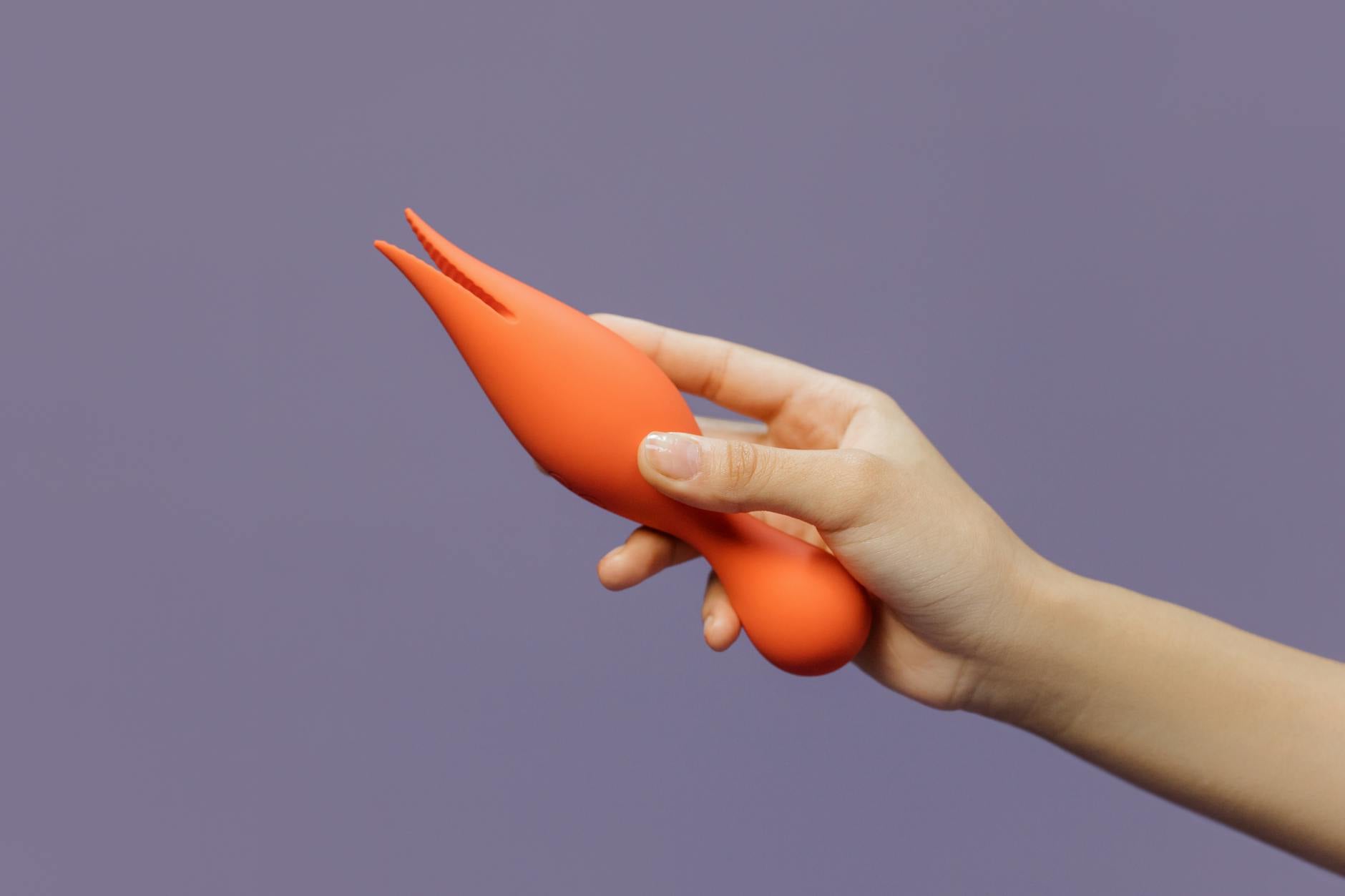
Once you've named what's happening, a lemon clitoral vibrator becomes useful in a specific way. Not as a Band Aid. As a reset button.
Here's why it works. When your nervous system has been in shutdown mode, direct clitoral stimulation through air-suction technology (the way a lemon vibrator functions) can interrupt the pattern. It's not subtle. The sensation is specific enough and intense enough that your brain can't keep the "numb mode" running. You're forced to pay attention.
That forced attention is the point. You're not trying to have an orgasm (though that might happen). You're trying to prove to your nervous system that feeling is safe again.
Start here:
Use the lemon vibrator alone first, not during partner sex. This matters. You're rebuilding your own relationship with sensation before you add another person into the equation. Set 15 minutes aside. Lower lights. No partner, no pressure. Your only job is to notice what you feel.
Start at pattern 1 or 2 on the Lem. Don't jump to intensity. You're not chasing an orgasm. You're practicing paying attention. If your mind wanders (which it will), that's fine. Notice that too.
The first time might feel weird. Your body might feel numb even with direct stimulation. That's not a sign it's not working. That's your nervous system still in protective mode. Do this three or four times before you expect to feel much.
The bridge back to partner sex
After a few solo sessions with your lemon vibrator, you can bring this into partner time. But not immediately and not the way you might think.
The first few times, use it together but without penetration or high pressure on your partner's part. They touch you while you use the lemon clitoral vibrator. This is weirdly vulnerable because you're not "performing" pleasure. You're just receiving attention while you practice sensation.
Talk during this. "That feels good." "I'm getting in my head." "Can you just stay with me." The narration actually helps your nervous system trust that connection is happening.
Once you start feeling more present during these moments, you can layer in partner touch, penetration, or whatever feels right. The lemon vibrator becomes less about "I need this to feel anything" and more about "This helps me stay connected."
The part about timing and patience
Emotional numbness doesn't flip in a week. Your nervous system spent months or years learning that feeling wasn't safe. It takes time to convince it otherwise. Some people notice a shift after two or three weeks of this work. Others take two months. Neither timeline is wrong.
What matters is that you're doing two things simultaneously. You're having honest conversations with your partner, which rebuilds the trust your nervous system needs. And you're practicing sensation on your own terms, which teaches your body that feeling is possible again.
A lemon vibrator helps with the second part. But the first part, the conversation, that's what actually heals this.
When to bring in more support
If you're doing this work and nothing shifts after six weeks, or if you notice the numbness is happening even outside of sex, consider talking to a therapist. Emotional shutdown can sometimes connect to trauma, anxiety disorders, or past hurt that needs more targeted support.
Similarly, if your partner responds to the conversation with defensiveness or dismissal, that's information. That might mean the relationship itself needs repair before any lemon sexual toy is going to help.
These aren't failures. They're just data that tells you what you actually need.
The real reason this works
A lemon clitoral vibrator works for this because it forces your attention back into your body. But it only works if you've already started the harder work of making sure your nervous system actually trusts that being present is safe. The vibrator is the practice tool. The conversation with your partner is the foundation. Both matter. Neither alone is enough.
You deserve to feel fully present during intimacy. That's not a luxury. That's a basic part of being alive in your own body. If you're numb, your first job isn't to find the right toy. It's to figure out what your body is protecting you from. Once you know that, tools like a lemon vibrator become genuinely useful.
FAQ: Emotional numbness and intimacy
What's the difference between emotional numbness and low desire?
Low desire usually means you're not interested in sex at all. Emotional numbness means you're willing to have sex, sometimes even initiate it, but you can't feel it while it's happening. You're mentally checked out or watching from a distance. Low desire is about motivation. Numbness is about presence. They sometimes happen together, but they need different approaches.
Can a lemon vibrator alone fix emotional numbness?
No. A lemon clitoral vibrator can help you practice sensation and interrupt the shutdown pattern, but it can't rebuild trust or resolve relationship tension. Think of it like this: if emotional numbness is your nervous system saying "feeling isn't safe," then a vibrator is practice equipment, not the actual safety net. The real safety comes from honest conversations and time.
How long before I start feeling something again?
Some people notice a shift in two or three weeks of consistent practice. Others take two months or longer. If you go six weeks of using a lemon vibrator regularly and having conversations with your partner, and nothing shifts, that's a sign you might benefit from therapy. Your nervous system might have a deeper reason for staying in protective mode.
Is it normal to feel more anxious when I start practicing sensation again?
Completely normal. Your nervous system has been protecting you by staying numb. When you start practicing feeling again, anxiety often comes up first. That's actually a sign something is happening. The anxiety usually passes after a few sessions, but if it gets worse, slow down and maybe talk to a therapist about what you're experiencing.
Should I tell my partner I'm using a lemon vibrator for this?
Yes, eventually. Not as "I need this because you're not doing it right," but as "I'm working on something and this tool helps." Most partners appreciate knowing what's happening and want to support you. If your partner reacts negatively to you wanting to rebuild sensation, that's actually important information about the relationship itself.
What if the numbness is connected to past trauma?
If emotional numbness during sex connects to past sexual trauma or abuse, a lemon vibrator might actually trigger anxiety rather than help. In those situations, therapy with a trauma-informed therapist is the real first step. You can eventually use tools like a lemon clitoral vibrator, but the foundation matters. Don't skip the professional support.
Final word
Emotional numbness during sex feels like a body problem, but it's usually a relationship problem wearing a sensation mask. A lemon vibrator can help you practice feeling again, but the real work is making your nervous system trust that feeling is safe. That takes conversation, time, and sometimes professional support. All three are worth it.