
Let's name what actually happened
Years without sex isn't a small thing. It builds. There's the physical rust—your body forgets how to respond, arousal takes longer, sensation feels unfamiliar. But the harder part is usually the emotional weight: shame, resentment, disconnection, or just the sheer awkwardness of starting again after so long. Most couples I work with are afraid that jumping back in will expose how much has actually changed between them.
That fear is valid. And it's also completely workable.
Why the gap happened matters less than what you do now
Whether it was depression, medication, kids, stress, or just plain relationship drift, the cause is context—not destiny. What matters now is that you're both here, and you're thinking about reconnecting. That's the hardest part done.
Here's what I tell couples: after a long pause, your body and your relationship need a bridge. Not a cliff jump. A lemon vibrator—specifically, a clitoral vibrator like the Lem—can be that bridge because it removes performance pressure, adds novelty, and lets you both feel successful quickly. It's not a substitute for emotional reconnection. It's permission to start somewhere small.
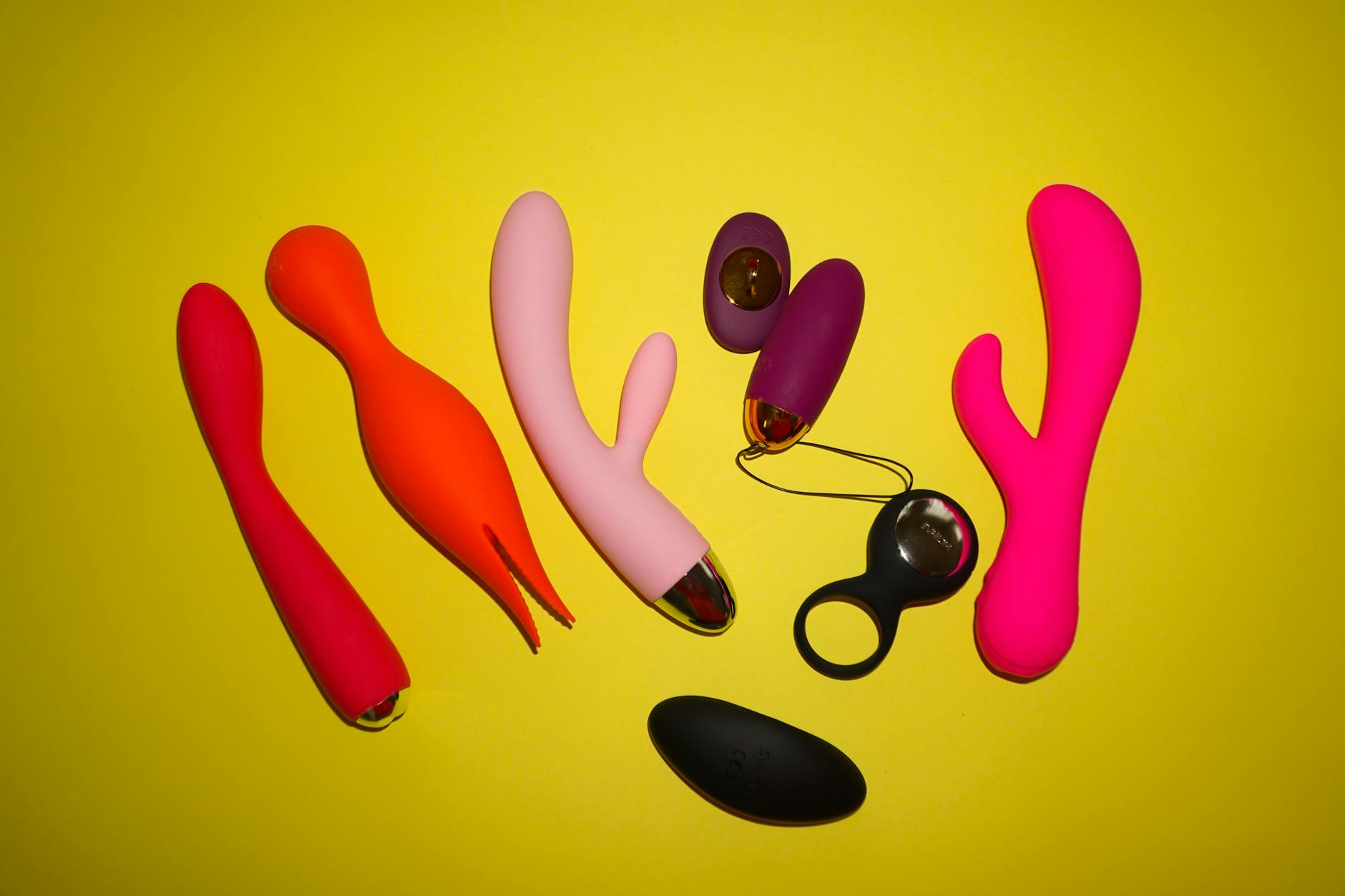
Photo by FounderTips on Pexels
The conversation that has to happen first
Before the vibrator even enters the picture, you need to talk. Not during foreplay, not in bed. Over coffee, or on a walk, or whenever you both can actually think.
The frame matters. This isn't "we need to fix our sex life." It's "I miss you, and I'd like us to explore this together." The difference is subtle but huge. One sounds like failure; the other sounds like possibility.
Bring up the lemon vibrator idea casually—not as a solution to dysfunction, but as something you'd like to try together. Show them photos of the Lem if it helps. Keep it light. The goal is to move from "we should probably have sex again" to "I think this could be fun."
How to actually introduce it the first time
First rule: use it for exploration, not performance. You're not trying to achieve an orgasm tonight. You're learning how your body responds after time away.
Start with foreplay that doesn't involve the lemon clitoral vibrator yet. Touch, kissing, whatever felt natural to you before. Spend longer on this than you think you need to. After years away, your nervous system is cautious. Give it time to settle in.
When things feel warm, introduce the vibrator. Set it to a low intensity (patterns 1 or 2 on most lemon vibrators). Start on the outer labia or pubic mound first—not directly on the clitoral glans, which can feel too intense after such a long gap. Let your body get curious.
Your partner's role here is to touch you elsewhere—your chest, your neck, your inner thighs. The lemon suction vibrator is doing one job; they're doing another. It's collaborative, not isolating.
Why this specific approach works for couples reconnecting
Three things that shift when you use a lemon vibrator together after years apart:
1. It removes the pressure to "perform" on either side. Your partner doesn't have to worry that they're not stimulating you enough. You don't have to perform arousal you're not quite feeling yet. The vibrator does the heavy lifting, and you both relax into what's actually happening in your body.
2. It creates novelty without creating weirdness. After years of nothing, sex feels foreign. A new tool makes that strangeness feel intentional instead of awkward. You're exploring together, not just picking up where you left off.
3. It often produces results fast. One of the biggest blocks to reconnection is the fear that your body won't respond. Most people with clitorises experience some sensation—and often pleasure—on their first or second try with a quality lemon vibrator. That success matters. It tells your nervous system "okay, this still works." Then you can both breathe.
Read more on how to use a lemon vibrator during partner sex for deeper integration ideas.
The emotional stuff that runs parallel to the physical
While you're reconnecting physically, you're also rebuilding trust in each other as sexual beings. This matters, and it's separate from the mechanics.
After a long gap, partners often carry unspoken fears: "Do they still want me?" or "Am I still attracted?" or "Is this going to be weird now?" None of these are solved by the vibrator alone. They're solved by you both showing up honestly.
If something doesn't feel good, say it. If you feel disconnected, pause. If you want to try something different next time, propose it. The lemon clitoral vibrator is a tool, but the actual reconnection happens in the communication around it.
Many couples find that this first experience—even if it's not perfect—opens a conversation about what they actually want now. Years away changes people. You might want different things than you did before. That's not a problem; it's information.
Pacing: how often to try again
Don't schedule sex twice a week just because you had one good experience. That's how you recreate pressure.
Instead, try this: after your first time, give it at least a week. Let your nervous system process the experience. Then, when you both feel like it, try again. Maybe with the lemon vibrator again, maybe with touch alone. The point is that sex becomes something you're both interested in, not something you're checking off a list.
Most couples I work with find that once they've reconnected twice or three times without it being scary, the frequency naturally increases. Your body remembers what pleasure feels like. That's powerful.
When to get support
If after a few tries together you're still not feeling much sensation, or if one of you feels resistance coming up, that's normal and not a sign of failure. But it might be worth a check-in with a sex therapist or couples counselor. Sometimes a third party can help you both articulate what's actually underneath the gap.
Also: if there's pain, difficulty achieving erection, or numbness that doesn't improve after a few relaxed attempts, see a doctor. Years without sex can sometimes mask underlying health changes. Better to know.
The after part—building from here
Once you've reconnected a few times with the lemon vibrator, you have options. You can keep using it as part of partner sex. You can explore solo with it between sessions. You can try other adult toys, or go back to touch alone. There's no one right way.
What matters is that you're both engaging. You're talking about what feels good. You're both bringing intention to intimacy again. That's the real bridge, and the vibrator is just the thing that helped you cross it.
People also ask
Will using a vibrator make my partner feel inadequate?
Not if you frame it right. A vibrator isn't a replacement for your partner; it's an addition. When you're both curious about it and using it together, it's actually a statement of "I want us to explore this." The risk of inadequacy usually comes from secrecy or from one partner using it as an escape. If you're using it as a couple, you're saying "I want this experience with you." That's the opposite of inadequacy.
How long should I wait after we start before trying other things?
There's no rule here. Some couples feel ready for more variety after their second or third session. Others need more time to just reconnect with the basics. Listen to both your bodies. If you both feel interested in trying something new, try it. If one of you wants to stay with what's working, respect that. The goal is reconnection, not achievement.
What if I still don't feel much sensation even with the vibrator?
That can happen for a few reasons: medication side effects, hormonal changes, anxiety, or just needing more time to trust the experience. Try a few more sessions before assuming your body is broken. Most people find that sensation improves as anxiety decreases. If it doesn't improve after 4-5 relaxed attempts, talk to a doctor or a sex therapist. There are usually solutions.
Should I use the vibrator every time we have sex?
Nope. Use it when you want. Some sessions you'll both want it; some nights you won't. Let it be optional, not required. If it becomes mandatory, it can actually increase pressure instead of reducing it. Think of it as one tool in your toolkit, not the only tool.
How do I bring up wanting to try this if my partner seems nervous?
Start with curiosity, not pressure. "I've been thinking about ways we could reconnect that might feel less scary. Would you be open to trying something together?" Then share what you're thinking. Most partners are willing to try when they know it's about reconnection, not performance. Offer to read an article together (like the one on rebuilding intimacy after long-term relationship disconnect) so you're both getting the same information.
Is there a best lemon vibrator for couples use?
The Lem is designed specifically for this: ergonomic, quiet enough that you're not distracted by noise, and the suction pattern feels collaborative rather than penetrative. But any clitoral vibrator works if you're both comfortable with it. The tool matters less than the intention behind using it together.
The real thing
Years without sex leaves a gap. That gap is real, and it's scary. But it's not permanent, and it's not a sign that your relationship is broken. It's just a pause that needs intentional reopening.
A lemon vibrator can be the permission slip. It's something new enough to feel safe and something specific enough that you can both focus on sensation instead of performance. It's a bridge—not because it's magic, but because it gives you both a way to show up together.
The rest is just willingness and a little bit of time.