Here's what nobody tells you about desire mismatch
One of you is ready to go. The other is scrolling their phone thinking about laundry. This is possibly the most common relationship complaint I hear, and it's also the one couples are most ashamed to admit. The person with lower desire feels pressured and resentful. The person with higher desire feels rejected and invisible. Both feel broken.
Neither is broken. You just have different baseline libidos, and nobody taught you how to build sex around that fact instead of against it.
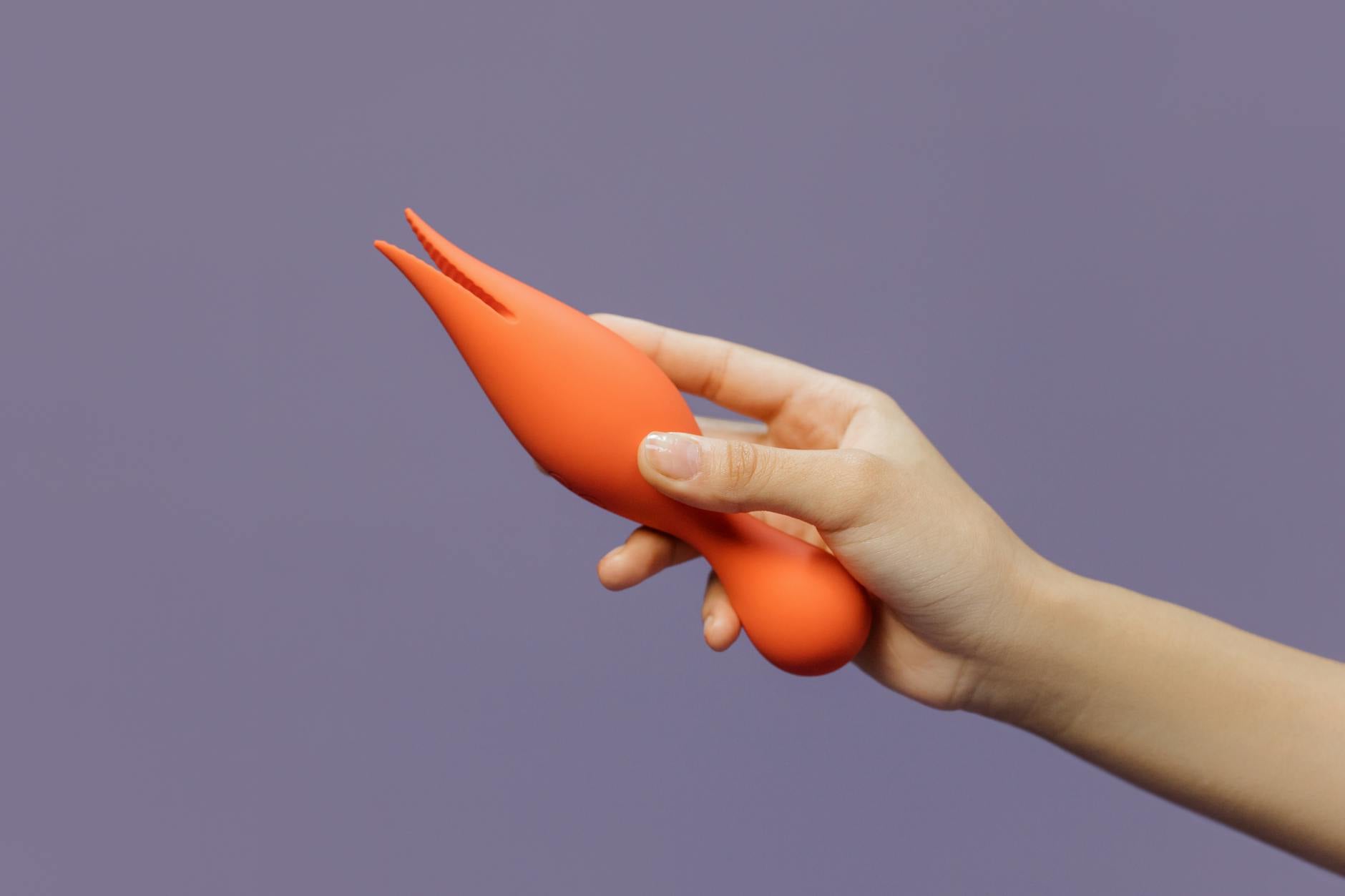
Why lemon vibrators actually help with libido mismatch
This isn't about forcing anyone to want sex more. It's about removing friction from the experience so that when you do come together, it feels good enough that both of you want to show up again.
Here's the mechanics of it. When the lower-desire partner is involved, they're often starting from neutral or slightly negative. They're not aroused. They're complying or compromising. A lemon vibrator like the Lem changes that calculus because it lets the person with lower desire experience visible, fast pleasure that doesn't depend on their partner's rhythm or the length of foreplay. It's efficient. It's theirs. And that matters more than you'd think.
For the higher-desire partner, watching their partner experience genuine pleasure is often its own turn-on. The resentment starts lifting the moment it stops feeling one-sided.
The conversation you have to have first
Before you bring a toy into bed, you need to separate three things that usually get tangled together.
First, the logistics. How often does each of you want sex? Not what you think you should want. What you actually want. Write it down if you have to. Get specific. Twice a week versus twice a month is a real gap that needs naming, not minimizing.
Second, the story you're telling yourself about the mismatch. The higher-desire person often thinks, "They don't find me attractive anymore." The lower-desire person thinks, "They only care about sex." Those stories are usually wrong, but they feel true, and they kill intimacy faster than anything. Name them. Challenge them. Say it out loud.
Third, what each of you actually wants from sex. For some people it's stress relief. For others it's emotional closeness. Some people want it to feel playful, others want it to feel tender. If you're operating from different definitions of what sex even is, you're never going to sync up.
Using a lemon clitoral vibrator as a bridge, not a replacement
Once you've had that conversation, a lemon vibrator becomes a tool instead of an avoidance. Here's how to actually use it.
Start with solo exploration. The person with lower desire should spend time with the vibrator alone first, no partner involved. This serves two purposes. One, you're learning what feels good without the pressure of someone watching. Two, you're building positive associations with sexual pleasure that aren't entangled with your partner's needs or schedule. That's foundational.
When you bring it into partnered sex, the lower-desire partner keeps the controls. That's non-negotiable. If your partner is using the vibrator, they should be directing where, how fast, and when. This reclaims agency in a dynamic where they've probably felt like they're just accommodating.
For the higher-desire partner, your job shifts. You're not performing or driving. You're present. You're touching them. You're watching. You're asking what feels good. You're involved without needing them to also be driving your pleasure simultaneously. That separation is what makes it work.
Timing and frequency matter more than you think
Mismatched libido couples often try to split the difference on timing, which means nobody's happy. One person feels pressured, the other still feels rejected.
Instead, try this. The person with higher desire picks one night a week when sex definitely happens. No excuses, no rescheduling. The person with lower desire knows it's coming and can mentally prepare. Sometimes that preparation is the difference between genuine interest and gritted-teeth compliance. The other nights? They're off the table. No initiating, no subtle pressure. The lower-desire person knows they're safe.
Then add one surprise night per month where the lower-desire person initiates. They don't have to. But when they do, it genuinely comes from desire, not obligation. For couples with serious libido gaps, that one spontaneous night matters more than six obligatory ones.
What a typical session might look like
Okay so you've had the conversation, your partner's done solo exploration with the lemon vibrator, and you've picked your consistent night.
You start with nonsexual touch. You're not trying to fast-track to arousal. You're just being close. Talk about the day. Touch shoulders, back, hair. This might be five minutes. It might be twenty. Let it breathe.
Then slowwww escalation. The higher-desire person might start with kissing or touching the lower-desire person's body, but it's genuinely about that person's pleasure, not about turning yourself on. The lower-desire person pays attention to whether they're actually interested or just complying. If it's compliance, you pause and try again another night. No shame.
If interest is building, the lower-desire partner reaches for the vibrator. They set it on a lower pattern and just explore what feels good. The higher-desire partner is present, maybe touching them elsewhere, maybe just watching. No simultaneous demands on the lower-desire person's body or energy.
Then whatever comes next. Sometimes that's mutual touching. Sometimes that's the lower-desire partner focusing entirely on their own pleasure while their partner watches and participates in ways that work. Sometimes both people have an orgasm, sometimes just one does, sometimes neither does but you felt close. All of those are okay.
The emotional shift that actually happens
Here's what I see with couples who work with a lemon clitoral vibrator intentionally instead of just introducing a toy and hoping for the best.
The lower-desire partner stops feeling like a problem to be solved. They're the expert on their own body, and the vibrator gives them a tool to access pleasure that doesn't hinge on their partner's skill or stamina. They usually become more interested in sex, not because they suddenly want it more, but because sex no longer feels like something being done to them.
The higher-desire partner stops feeling rejected. They're still having sex less frequently than they might prefer, but when it happens, it's marked by genuine intimacy instead of performance pressure. And knowing their partner is experiencing real pleasure is genuinely satisfying. The resentment softens.
When to call in help
If the libido gap is tied to depression, anxiety, medication, or hormonal changes, a vibrator isn't going to fix the underlying issue. You might need a therapist who specializes in couples work and sexual health, or a medical consultation for the physical piece. A lemon vibrator is a tool for working with healthy desire differences, not a treatment for sexual dysfunction.
If the lower-desire partner is genuinely uninterested in sex with their partner specifically, that's different. That might point to relationship issues beyond libido, and you should probably talk to a couples counselor before introducing any toys.
But if you're both interested in staying connected and you're just operating at different speeds, a vibrator plus honest conversation can genuinely change the dynamic. It removes shame from the difference and reframes it as just logistics to navigate together instead of evidence that something is wrong with either of you.
FAQ
Can a lemon vibrator actually make someone want sex more often?
Not directly. But it can remove barriers. If the lower-desire partner's main objection is "sex doesn't feel good enough to be worth the energy," then giving them a tool that generates consistent, fast pleasure can shift the equation. They might still want sex less frequently than their partner, but the gap narrows because it stops feeling obligatory.
What if my partner thinks using a toy means they're not enough?
This is the shame talking. A toy isn't a referendum on your partner's attractiveness or skill. It's a tool. Many couples use lemon clitoral vibrators not because traditional sex is broken, but because they want to add another dimension to what already works. The conversation matters more than the toy. Say something like, "I want to use this together because I want you to feel what it's like when I experience really consistent pleasure. That doesn't replace you. It adds something." If your partner continues to feel threatened, therapy might help you both get to the root of that.
How do I know if the lower-desire partner is actually interested or just trying to make me happy?
Ask. Not in the moment, but afterward. Say something like, "I want to check in. Did that actually feel good to you, or were you just trying to make me happy?" Real conversations are uncomfortable, but they're the only thing that actually fixes this. If your partner is consistently complying rather than genuinely interested, a vibrator won't solve it. You've got a deeper intimacy problem that needs real talk and probably professional support.
Is there a "best" toy for couples with libido mismatch?
Something the lower-desire partner can control matters more than the specific toy. Lemon clitoral vibrators like the Lem work well because they're straightforward, the intensity adjusts easily, and they're designed with sensitive tissue in mind. Some couples prefer something quieter for psychological comfort. Some prefer something smaller so it feels less intimidating initially. The tool is less important than the intentionality you bring to using it.
What if we're both high-desire but at different times of day?
That's a logistics problem, not a fundamental mismatch. One person is a morning person, the other is a night person. Build that into your schedule. "Tuesday mornings are for you. Friday nights are for me." When you're both interested in sex, just figuring out the logistics actually solves most of the conflict.
How long before we see a real shift in our relationship?
Depends on what you mean by shift. If you mean less fighting about sex, probably four to six weeks of consistent effort. If you mean the lower-desire partner suddenly wants sex twice a week, that's probably not coming. But if you mean the relationship stops feeling like a battleground and starts feeling like a partnership navigating a real difference together? That can happen faster if you're both willing to be honest.
The real point here
Mismatched libido isn't a relationship failure. It's incredibly common. What determines whether couples stay connected or drift into resentment is whether they're willing to be honest about the gap and creative about bridging it. A lemon vibrator is just a tool. The real work is the conversation, the compromise, and the commitment to making sex something you both want to show up for instead of something you're fighting about.
Your desire differences don't mean you're incompatible. They mean you need to build intimacy differently. That's not a loss. It's just what's true for you two.
If you're struggling to navigate this conversation with your partner, contact Hello Nancyslem or consider working with a couples therapist who specializes in sexual health and communication.