
Let's be honest about why this feels hard
You've thought about it. Maybe you've researched lemon vibrators. Maybe you own one already. And now you're sitting with the fact that you want to use it with your partner, and that part feels genuinely complicated. Not because there's anything wrong with you, but because we've all inherited this weird cultural script where bringing a toy into the bedroom means something's broken. It doesn't.
I work with couples on this all the time, and here's what I've learned: the toy is never the hard part. The conversation is. So let's start there.
The conversation has to come before the toy
Don't just leave a lemon vibrator on the nightstand and hope for the best. That's not mysterious. That's anxiety disguised as spontaneity.
Instead, have the talk when you're not in bed. Pick a moment when you're both calm and clothed. You might say something like: "I've been thinking about trying a lemon vibrator during sex with you. I'm interested in how it would feel, and I'd like to know if you are too." That's it. You're not asking permission. You're inviting collaboration.
Your partner might feel relief. They might feel curious. They might feel a little threatened, which is fair and human. The goal isn't instant enthusiasm. The goal is honesty. If they're not into it, that's data you need. If they are, you move forward together.
Why this conversation matters more than the mechanics
There's a reason I'm spending so much time on communication before technique. In my years as a relationship coach, I've seen couples use lemon clitoral vibrators brilliantly, and I've seen the same toys create distance. The difference is never about the intensity setting or the positioning. It's always about whether both people felt safe enough to say what they actually wanted.
When you skip the conversation, you're doing something else without saying it out loud. Maybe you're saying, "I need more stimulation than you're providing." Maybe you're saying, "I'm bored." Maybe you're saying, "I want to try something new." Your partner is left guessing, and they will guess wrong. They'll think the toy is a critique of them.
So the conversation isn't a hurdle to clear before you get to the fun part. It IS the fun part. It's the moment you stop assuming you know what your partner wants and actually ask.
Three ways to frame this depending on your situation
Scenario one: You're looking for a way to come more easily. Say: "I've noticed I take longer to orgasm lately, and I'd like to try something that might help. Would you be interested in using a lemon vibrator together?" This is about you, not them. It's not a complaint about their technique.
Scenario two: You want variety. Say: "I love our sex life and I'm also curious about trying something new. I've been reading about lemon vibrators, and they sound fun. Would you want to explore that?" Pair the new thing with genuine appreciation for what already works.
Scenario three: You want to rebuild connection. Say: "I feel like we've gotten into a pattern and I miss feeling adventurous with you. What if we tried something together that's new for both of us?" This frames it as a shared project, not a solo need.
When and how to actually use it
Once you've talked and agreed to try, here are the practical pieces.
Start with foreplay, not intercourse. A lemon vibrator works best when there's already blood flow to the area. Use it during oral sex or manual stimulation. Let your partner hold it if you're comfortable. This isn't about replacing them. It's about adding sensation.
Communicate about intensity. Before anything happens, show your partner the settings on the lemon vibrator. Turn it on. Let them feel it in their hand. No surprises. If you want to use it during partnered sex, talk about whether you want your partner controlling it or you controlling it. Both have merit. It's a choice, not a default.
Position matters. If you're using the lemon clitoral vibrator during penetrative sex, most people find it works best when you're on top or in a position where there's direct access to the clitoris. The angle changes what pressure feels like. Experiment.
Check in afterward. Not in a "was that good?" way, but in a "what did you notice?" way. These conversations often reveal things. Maybe your partner felt more connected seeing you enjoy yourself. Maybe they found it arousing. Maybe it felt weird and they want to try something different next time. All of that is valuable.
What to watch for (and how to course-correct)
Listen for whether your partner is actually present with you, or whether they've mentally checked out. Signs they've checked out: they're quiet, they're not making eye contact, they're not responsive. That's a sign to pause, not push forward.
You might say: "I notice you've gotten quiet. What's going on?" They might say they feel insecure. They might say the sensation isn't what they expected. They might say they need a break. All of that deserves a pause in the action and a real conversation.
Here's the thing I tell couples: using a lemon vibrator with your partner is an opportunity to practice something you probably need more of anyway, which is checking in with each other during sex. Most couples don't do this. They have sex in silence and hope everyone's having a good time. Using a toy can actually create the permission to talk during intimacy.
The pleasure part (finally)
Once you're both comfortable, a lemon vibrator can genuinely transform your shared sexual experience. When partners report using lemon clitoral vibrators together, they often say the same thing: it took pressure off. Before, there was an assumption that your partner's hands or mouth had to be enough. Now there's a tool that does something different. Your partner can focus on other sensations. You can focus on your own pleasure without worrying whether you're taking too long.
Many people also report that seeing their partner enjoy themselves is genuinely arousing. Your partner watching you experience intense sensation from a lemon sucker can be deeply intimate. You're not hiding your pleasure. You're sharing it.
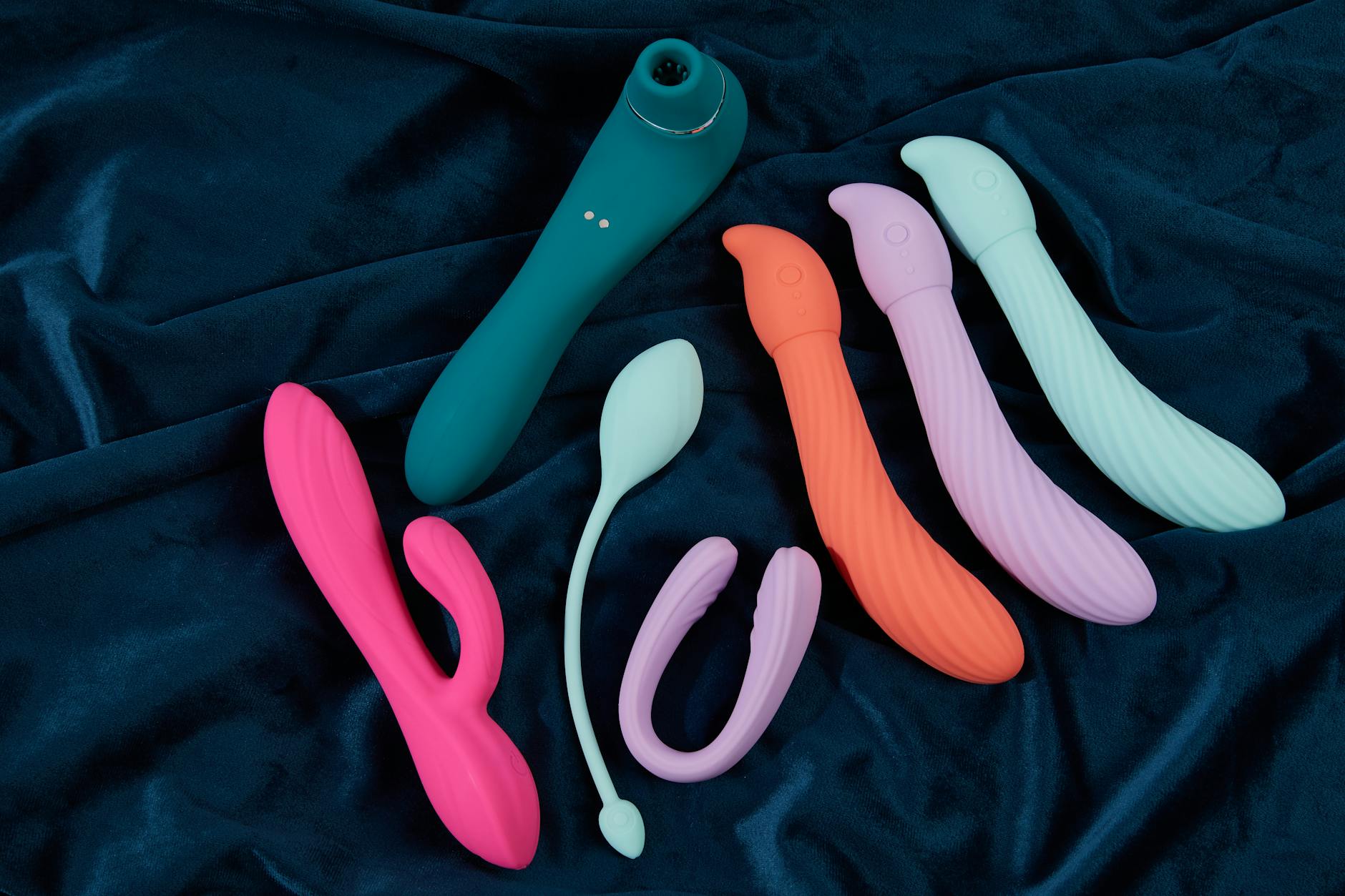
Photo by IFONNX Toys on Pexels
If your partner stays resistant
Sometimes you have the conversation, and your partner says no. That's their boundary, and you respect it. But you can ask why. Is it about the toy itself? Is it about how it makes them feel about their role? Is it about a past experience? Understanding the resistance often matters more than convincing them.
You don't have to abandon your own pleasure to keep the peace. You can use a lemon vibrator solo and tell your partner about it. You can use it in a separate conversation about your own sexuality. But you also don't have to. If your partner's resistance feels like a control issue rather than a genuine boundary, that might be a bigger relationship question worth exploring with a therapist.
The real goal
Using a lemon vibrator with your partner isn't about having better sex (though that might happen). It's about proving to each other that you can talk about what you want and still be safe. That you can be vulnerable. That you can ask for something and not be rejected or made to feel broken.
That's the stuff that builds real intimacy. The toy is just the excuse to practice.
People also ask
Should I use a lemon vibrator if my partner has never used one before?
Absolutely, if you've talked about it first. People often assume their partner will know what a lemon vibrator does or how it feels, so they skip the explanation. Don't. Show them. Let them hold it. Turn it on so they know what the sound and sensation are like. A lot of anxiety comes from not knowing what's about to happen.
What if my partner wants to use a lemon vibrator on me but I'm nervous?
Nervousness is normal. You get to say, "I'd like to try it, but can you start on a lower setting?" or "Can we do this during foreplay first, before we move to anything else?" You also get to say, "Actually, I want to control it myself." Your comfort always comes first. If your partner pushes back on reasonable boundaries, that's a sign of something bigger than the toy.
Can you use a lemon vibrator during penetrative sex?
Yes. Most people find it works best when you're in a position where there's clear access to the clitoris. The vibration adds stimulation without replacing anything else. Start with lower intensity settings and experiment with what feels right for both of you.
Is using a lemon clitoral vibrator with a partner normal?
It's increasingly common, and honestly, it should be. More couples are prioritizing both partners' pleasure, and lemon vibrators are designed to make that easier. If you're worried about being weird, you're not. You're being intentional about connection.
What if my partner thinks the lemon vibrator means I'm not attracted to them?
This comes up a lot, and it's worth addressing directly. You might say: "The lemon vibrator isn't about you. It's about me experiencing pleasure differently. I'm attracted to you. I also want to come, and this helps that happen." You can also remind them that they're not being replaced. You're being added to.
How do you introduce a lemon vibrator to a partner who's hesitant about toys in general?
Start with the conversation. Ask what their hesitation is. Is it about performance anxiety? Is it about it feeling clinical or unromantic? Is it about not knowing how to use it? Once you know the actual concern, you can address it. Sometimes the hesitation goes away once they understand what it actually does. Sometimes they need time. That's okay too.
The bottom line
Using a lemon vibrator with your partner is an act of communication, not a substitution. It's you saying, "I trust you enough to tell you what I want." And it's them saying, "I want you to have that." That's the good part. The toy is just the vehicle.