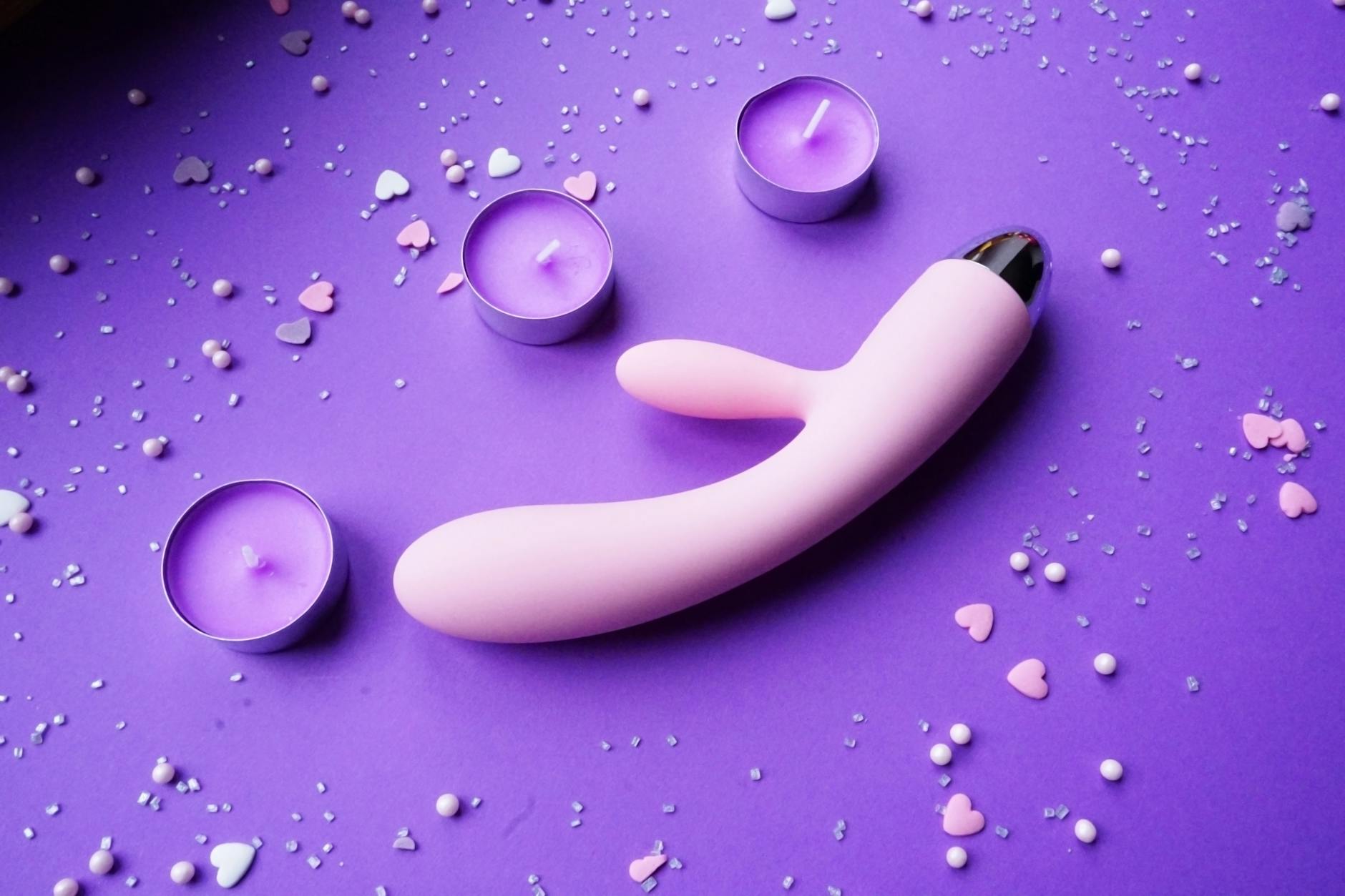
Lemon Vibrator for Couples: How to Incorporate Into Partnered Sex
Let's be real. The moment you want to introduce a lemon vibrator into sex with a partner, something shifts. It stops being just your thing and becomes a negotiation. And negotiation, weirdly, is where a lot of couples get stuck.
Here's what I see in my practice: one person wants to explore. The other person hears "you're not enough." Neither of these things is actually true, and the gap between them is entirely closeable. But it requires a conversation that most people have never been taught to have.
I'm going to walk you through how to do this without tension, and then how to actually use a lemon vibrator (or any clitoral vibrator) in a way that feels good for both of you.
Start with the conversation, not the toy
The biggest mistake couples make is leading with the product. You buy a lemon clitoral vibrator, suggest trying it, and suddenly your partner is sitting with a bunch of unspoken feelings they didn't know they had. That's not their fault.
Instead, start here: "I've been thinking about exploring my pleasure more. There's something I'm curious about, and I want to do it with you."
Notice what that does. It centers pleasure, not inadequacy. It frames this as something you want, not something that's missing. And it signals collaboration.
Then pause. Let them ask questions. The answers they need are usually: Is this about me? Are you interested in me? What do you actually want?
If your partner is anxious or hesitant, they're probably running a story. "He thinks I don't satisfy her," or "She's bored," or "This is weird." Your job is to interrupt that story early, not after you've already pulled out the toy.
Why a lemon vibrator works differently in partnered sex
Clitoral vibrators like the Lem work because they stimulate nerves without requiring deep penetration. This matters for partnered sex because it means two things can happen at the same time: penetration (from a partner or toy) and external clitoral stimulation (from the lemon vibrator).
Most vulva owners need direct clitoral stimulation to orgasm during partnered sex. Penetration alone, statistically, gets you there about 30% of the time. Add a lemon clitoral vibrator and that number climbs sharply. This isn't because your partner is failing. It's just neurology.
A lot of the tension couples feel around vibrators comes from the false idea that adding one means the partner is "replacing" something. But you're not replacing penetration. You're adding a layer. And honestly? Most partners who've experienced their partner having an orgasm with a vibrator present never look back.
The positioning that actually works
There are roughly three setups that people find comfortable.
Setup one: missionary or face-to-face. Partner is inside. The receiving partner (or the partner who wants the vibrator) holds or guides the lemon vibrator against their clitoris. This position offers a ton of eye contact and closeness, which matters for some people. The only friction is figuring out angle so the vibrator doesn't get bumped. A light hand and communication about pressure helps.
Setup two: from behind. This is my most-recommended angle. Partner is behind. Receiving partner can use the lemon vibrator while they're being penetrated, and there's way less collision risk. Plus the angle of penetration combined with external clitoral stimulation often produces really intense sensation. Word of caution: this is the position where you're most likely to accidentally overstimulate, so start at a lower setting.
Setup three: side by side. Nobody talks about this one enough. Both partners on their sides, spooning or face-to-face. Penetration is shallow, which means the lemon vibrator has room to work without bumping. It's less athletic, more intimate, and honestly the best entry point if either of you is nervous.
Start with whatever feels least exposed. As you get comfortable, you can experiment.
How to actually use it mid-sex
Timing matters more than most people think.
Don't introduce the vibrator the moment you start. Let arousal build for 5-10 minutes first. Your body needs that ramp-up time to feel the vibration properly. If you go straight to the lemon vibrator while you're still getting aroused, the sensation can feel weird or numb.
Once arousal is building: bring the vibrator in slowly. Start at a low pattern or intensity. You can always turn it up. You can't really slow down the overstimulation after it's happened.
Common speeds and patterns:
- Patterns 1-2 on the Lem: good for warm-up, building sensation without overload
- Pattern 3: medium intensity, where most people start feeling the real pleasure
- Patterns 4-6: high intensity, good for getting close to climax or for finishing
Everyone's different. The person using the vibrator should control the intensity, not the partner. This is important for two reasons: (1) you know what feels good, and (2) it keeps you in charge of your own pleasure.
If your partner is inside you while you're using the vibrator, communication becomes essential. Short check-ins: "is this angle okay," "is this pressure working." These don't kill the mood. They actually build trust, which is basically foreplay for long-term couples.

Photo by cottonbro studio on Pexels
What to do if it feels awkward
Awkwardness usually means one of three things: (1) you're moving too fast, (2) nobody's talking, or (3) you're in your head instead of in your body.
On the moving-too-fast piece: slow down. Build intimacy first. Have the conversation. Use the vibrator solo a few times so you know how it works. Then bring it in with your partner.
On the talking piece: yes, mid-sex check-ins are weird the first time. By the third time, they're normal. "Does this feel good?" is not going to ruin anything. It actually shows you care.
On the being-in-your-head piece: that's harder to fix in the moment, but here's what I tell couples: the anticipation of awkwardness is almost always worse than the actual thing. You're more self-conscious about the vibrator than your partner is. Most partners are just happy to see their person experiencing pleasure.
When a lemon vibrator actually deepens connection
I work with couples who've been together 10, 15, 20 years. One of the common threads in relationships that stay alive is that both people are still curious about the other person's pleasure. Not in a performative way. In a "I want to know what feels good to you" way.
Introducing a lemon clitoral vibrator into partnered sex is one of those places where you can signal, very clearly: I'm still interested in you. I want you to feel as good as possible. I'm not threatened by your pleasure, I'm turned on by it.
That's powerful. And it usually shifts the dynamic, at least a little bit.
If you're nervous about this conversation or this introduction, that's normal. But don't let nervousness keep you from exploring something that might genuinely expand your sex life. The first time is awkward for everyone. By the second or third time, it's just part of your routine.
Maintenance and care
If you're going to use a lemon vibrator during partnered sex, you need to know how to keep it clean and functional.
After use, rinse the external surface with warm water. If it touched any fluids, a quick wash with water and a drop of soap is fine. Make sure it's completely dry before storing. Silicone toys can pick up dust if they're damp.
Don't share toys between partners without cleaning in between, especially if there's any fluid exchange. Yeast infections and UTIs are not worth the convenience.
Store the lemon vibrator somewhere cool and dry. If you keep it in a nightstand drawer under a pile of other things, it's going to get damaged. A small pouch or box is better.
Check the battery contacts now and then. If the vibrator isn't turning on consistently, dried fluid or dust on the contacts is often the culprit.
Conversation starters if you're still stuck
If you've read this far and you're still unsure how to bring this up with your partner, try one of these:
"I read something about how a lot of couples use vibrators together. I'm curious what you'd think about trying."
"I want to focus more on my pleasure. Would you be open to exploring that with me?"
"There's something I'm interested in trying. Nothing's wrong. I just want to expand what we do."
Each of these frames it as curiosity, not complaint. And that's the tone you want.
If your partner resists, that's okay. But ask why. Don't let them shut down the conversation. Resistance usually comes from a feeling, not logic. Find the feeling, and you can work with it.
FAQ
Can I use a lemon vibrator during penetrative sex without the vibrator getting in the way?
Yes, with the right positioning. From-behind and side-by-side angles work particularly well because the vibrator sits outside the vaginal opening while penetration happens internally. You might need to adjust angle or depth slightly, but collision is avoidable.
What if my partner feels insecure when I bring up using a vibrator?
This is really common. Insecurity usually translates to "am I not enough?" The antidote is clarity. Tell your partner specifically what you love about sex with them. Then explain that a vibrator adds sensation, it doesn't replace connection. You might also point out that most vulva owners need external clitoral stimulation to orgasm, and that's biology, not their failing.
Is it better to use a lemon vibrator or another type during partnered sex?
Lemon vibrators and other clitoral vibrators work well for partnered sex because they're small, they don't obstruct penetration, and they provide the external stimulation most people need. Wand vibrators are bulkier and can get in the way. That said, what matters most is what feels good to you.
How do I introduce a vibrator if we've never talked about this before?
Start with the conversation, not the toy. Explain what you're curious about and why. Listen to what your partner's concerns are. Then, if they're open to it, consider using the vibrator solo first so they can see how it works and feel less surprised when it's introduced.
What if we try it and it doesn't feel good?
Stop and adjust. Try a different position. Try a different pattern on the vibrator. Try at a different time in your cycle. Or try again another day. One awkward attempt doesn't mean this isn't for you. Most couples need a few tries to find what works.
Can a lemon vibrator help with orgasm during partnered sex if I usually struggle?
Yes. Clitoral vibrators are one of the most effective ways to increase orgasm frequency during coupled sex. If you've struggled to orgasm with a partner, a lemon clitoral vibrator often changes the equation entirely.
The truth is, bringing a lemon vibrator into partnered sex isn't really about the toy. It's about permission. Permission to ask for what you want. Permission to explore. Permission to prioritize your pleasure without guilt.
That's the conversation that matters. Once you have it, the vibrator is just a tool. And honestly? Most couples who do this find that the conversation was scarier than the actual thing.
If you want more guidance on integrating toys into your relationship or navigating these conversations, we're here. Reach out anytime.
Contact us if you'd like to discuss what works for your relationship, or check out our guide to lemon vibrators for more on how these toys work.