
Here's what nobody tells you about nerve damage down there
Vulva numbness is real. It happens after surgery, from diabetes, endometriosis, pelvic floor tension, or sometimes from no clear reason at all. And the thing doctors don't mention when they're explaining your diagnosis is this: numbness doesn't mean you've lost your capacity for pleasure. It means you're using the wrong tool.
A traditional vibrator that relies on rapid, high-intensity vibration often makes numbness worse because numb tissue needs a different kind of stimulation. A lemon vibrator, which works through suction and gentle pulsing instead of straight vibration, can actually wake up nerve endings that have been dormant. I've worked with dozens of clients who thought their pleasure life was over and found their way back through understanding how their specific kind of numbness responds to different sensations.
What nerve damage actually does (and doesn't)
When vulva nerves are damaged or compressed, sensation dulls across a spectrum. Some people lose feeling everywhere. Others have a dead zone in one area while the rest remains responsive. Some experience phantom sensations. Most describe it as "numbness with occasional sharp pain" or "like touching the area through a thick glove."
Here's the part that matters: the nerves aren't gone. They're either inflamed, compressed, or underused. That distinction is everything.
A high-frequency bullet vibrator sends rapid signals at maybe 1,500 to 5,000 vibrations per minute. When tissue is already desensitized, that speed can feel like nothing at all. You turn it up. Still nothing. You keep going because surely if you just use more power, something will happen. And then you damage the tissue further trying to feel something.
A lemon clitoral vibrator works differently. The suction-based pulse creates a rhythmic pressure wave instead of pure vibration. That wave travels into the tissue rather than buzzing across the surface. For numb tissue, that's the difference between someone tapping on your shoulder and someone pressing on it. One might be invisible. The other reaches you.
Why suction works when vibration doesn't
Think about how your body naturally responds to stimulation. You don't get aroused from a single high-speed buzz on one spot. Your nervous system needs a pattern. Rhythm. Building intensity. Repetition that your brain recognizes as pleasure cues.
Traditional vibrators break that pattern for numb tissue because the sensation is too faint or too scattered to register. A lemon vibrator's suction creates sustained pressure that your nervous system can actually detect. When you layer in the gentle pulsing patterns, you're giving your brain something to work with.
I had a client who'd had pelvic floor surgery and lost most sensation in her clitoral area. She'd tried five different vibrators and got nothing. Then she tried a lemon with the suction at medium intensity, the gentler pattern settings, and spent time just sitting with the sensation without expecting to come. Over three weeks, her sensation returned. She could feel the difference between patterns. She had her first orgasm post-surgery about six weeks in.
Starting over with a lemon when you're numb
If you have nerve damage or significant numbness, approach this differently than someone discovering a toy for the first time.
Week one is reconnaissance, not climax. Use the lemon at the lowest suction setting with the simplest pattern. No goal beyond "Can I feel this?" Spend 5-10 minutes just learning where you have sensation and where you don't. A lot of people have an island of responsiveness. Find yours.
Pressure matters more than power. You're not trying to vibrate your way to an orgasm. You're trying to wake up your nervous system. Start with suction level 1 or 2. Slow patterns only. If you can't feel anything after five minutes, increase the suction by one level and wait another five. That's it. Stop.
Patience is actually the tool here. Nerve sensation can take weeks or months to return. Your brain is literally relearning a sensation map. Every session, even one where you feel nothing, is teaching your nervous system that this area can respond. Consistency matters more than intensity.
Use warmth and time together. Take a warm bath before you start. Warmth increases blood flow, which helps dormant nerves wake up. Give yourself 20-30 minutes total. Most of that can be non-toy time. Touch with your hands. Feel the water. Then use the lemon as part of a longer ritual, not the whole thing.
Common mistakes that make numbness worse
Turning up the intensity too fast is the number one trap. Your brain says "I can't feel this, so obviously I need MORE" and you end up with irritation and further desensitization.
Using sharp vibration alone. A bullet vibrator might feel like nothing on numb tissue, so you press harder and vibrate longer, which can damage the delicate vulva skin. The lemon's suction pattern is gentler on tissue while still creating the pressure-based stimulation that numb nerves can actually register.
Skipping the mental part. Numbness is both physical and psychological. You've probably spent time grieving or frustrated about your sensation loss. That emotional weight doesn't disappear when you pick up a toy. If you're tense, your pelvic floor tightens further, making sensation even harder. A few minutes of deep breathing and gentle touch before you use the lemon makes a real difference.
Assuming all numbness is the same. Surgery-related numbness often returns faster than diabetes-related numbness. Pelvic floor tension creates different sensation patterns than nerve compression. Talking with your doctor about where your damage is helps you understand what to expect. That's not medical advice. That's baseline realism.
When to check with a doctor
If numbness appears suddenly or gets worse, get evaluated. A lot of vulva numbness is treatable once you know what's causing it. Pudendal nerve compression can sometimes be treated with physical therapy. Some numbness improves with topical creams or injections. Diabetes-related neuropathy has specific management strategies.
You're not wasting a doctor's time by saying "I want to feel pleasure again." Sexual health is health. And knowing whether your numbness is stable, improving, or getting worse changes how you approach sensation work with any toy, including a lemon vibrator.
What returns first, usually
Most people don't regain full sensation all at once. First is usually pressure sensation ("I can tell something's touching me"). Then comes temperature ("This is warm"). Then texture and movement. Pleasure and orgasm typically come last, once the basic sensation map has rebooted.
Some clients report that sensation returns in a different way than before. Maybe your clitoris is responsive again but your inner lips aren't. Maybe you have sharp sensation in one spot and dull sensation everywhere else. That's normal. Your nervous system is rewiring itself. A lemon vibrator works because you can use it on just the responsive areas. You don't have to stimulate the whole vulva to get somewhere.
The suction advantage for damaged tissue
One thing that makes the lemon specifically helpful: you can control exactly where the suction goes. A vibrator covers a wide area and goes numb-tissue-hunting. A lemon's suction rim is small enough that you can position it precisely over a responsive zone and stay there. That's huge when you're working with partial sensation.
You also can't overstimulate with a lemon the way you can with a traditional vibrator. The suction pattern has a rhythm. You can't just crank it and hold it in place for hours. The pulse gives your tissue recovery time between stimulation waves. That built-in pacing is actually protective when you're dealing with nerve sensitivity.
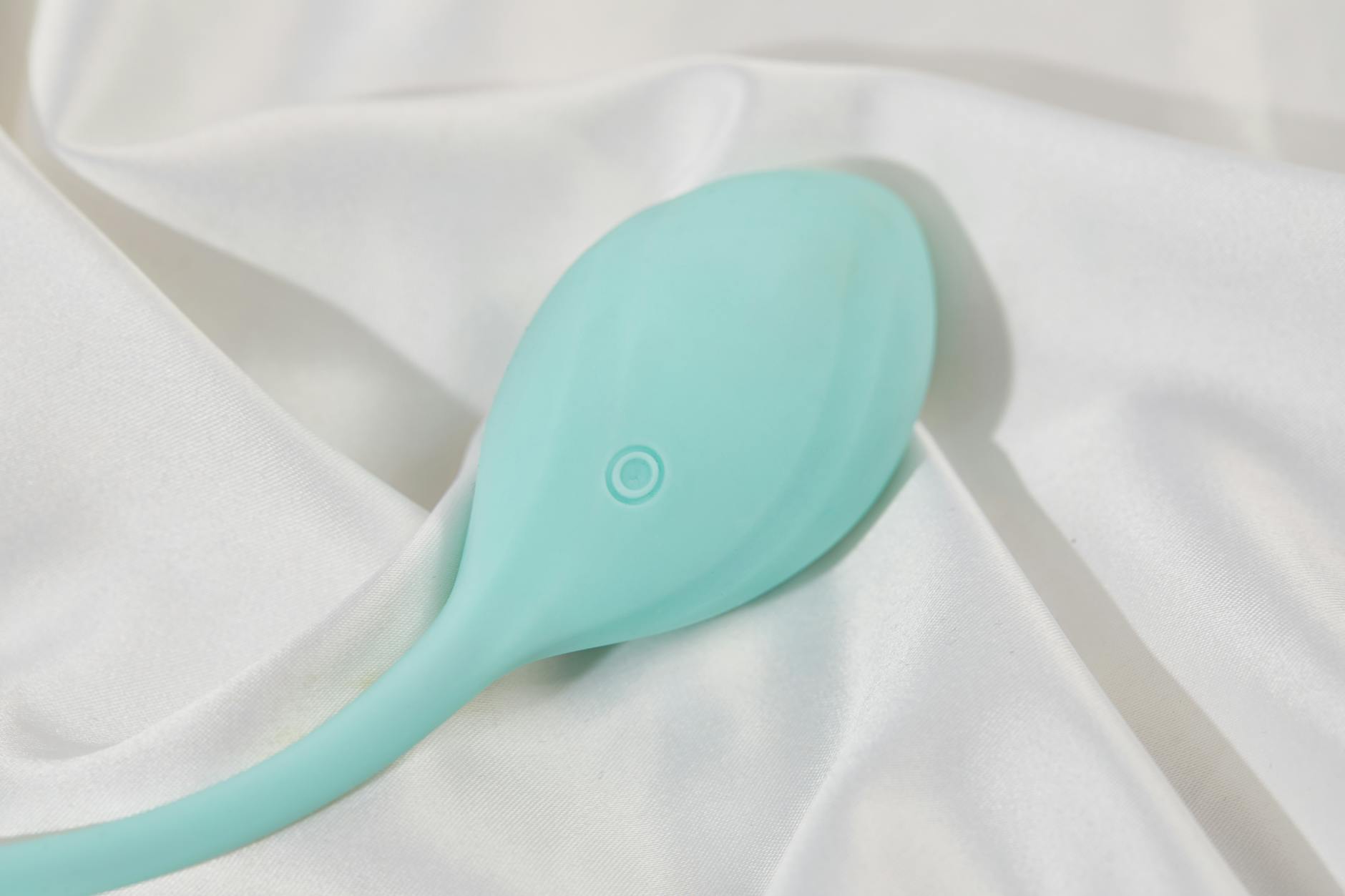
Photo by IFONNX Toys on Pexels
Pleasure after sensation loss
One of my clients said something I think about a lot: "I thought I'd lost part of myself. Turns out I just needed to learn a new language." Her numbness didn't fully resolve, but her pleasure absolutely did, because she stopped expecting sensation to feel exactly like it did before and learned what it felt like now.
When you're working with nerve damage, how long it takes to orgasm with a lemon vibrator is less important than the fact that orgasms become possible again. Sensation work with numbness sometimes takes longer. That's not failure. That's rewiring.
Your pleasure isn't dependent on one type of sensation or one tool. It's dependent on patience, the right tool for your current situation, and permission to explore what feels good now, not what felt good before.
FAQ
Can a lemon vibrator help restore sensation if I have pudendal nerve damage?
Maybe, and here's why I'm not guaranteeing it. Pudendal nerve damage is specific and sometimes requires physical therapy to address the compression causing it. A lemon vibrator can help by gently stimulating the area and potentially increasing blood flow, which supports healing. But if the nerve is compressed, gentle suction-based stimulation is actually safer than high-intensity vibration, which could inflame the nerve further. The real answer is to get diagnosed first, then work with a pelvic floor therapist who can tell you whether sensation work is appropriate for your specific situation.
Is numbness from diabetes permanent?
Diabetes-related neuropathy (nerve damage from high blood sugar) can sometimes be slowed or partially reversed if blood sugar comes back into range, but it's often not fully reversible. That said, your nervous system can still adapt. You can develop new pleasure pathways that work with your current sensation. A lemon vibrator's gentle, pressure-based stimulation is often more effective than traditional vibrators for people with diabetes-related numbness because you're working with the sensation you have rather than fighting to recreate the sensation you lost.
What if I have numbness in some areas and hypersensitivity in others?
That's actually pretty common, especially after surgery. You might have an area that feels like nothing and another area that's almost too sensitive. Here's the good news: a lemon's suction is adjustable and highly precise. You use low suction on the sensitive zone and higher suction on the numb zone. You can even move between zones in a single session. That flexibility is something traditional vibrators just don't offer.
Can I use a lemon vibrator if I have pelvic floor dysfunction?
Depends on what "using" means. If your pelvic floor is very tight, direct stimulation might make tension worse in the short term. A lot of pelvic floor specialists recommend gentler external sensation work first to help the nervous system calm down, then moving to more direct stimulation as tension releases. A lemon vibrator is gentler than most tools, but you might benefit from starting with hand exploration and breathing work before introducing any toy. Chat with your physical therapist about timing.
How do I know if my numbness is improving or just staying the same?
Keep a simple log. Once a week, note whether you can feel pressure, temperature, texture, and whether orgasm is present or building. You're not looking for perfection. You're looking for the direction of change. Most people with nerve issues notice that sensation improves slightly over weeks or months, not days. A lemon vibrator makes it easier to detect small improvements because you're not fighting for sensation. You're feeling what's actually there.
What if sensation never returns fully?
Then you work with what you have. A lot of people with permanent partial numbness still have fantastic pleasure and orgasms. They've just learned to respond to different types of stimulation or sensation than before. A lemon vibrator is particularly useful in this situation because the suction-based approach feels different from traditional vibration. Sometimes that different approach is exactly what your nervous system needs to access pleasure, even if baseline sensation doesn't fully return.
Your nervous system is smarter than you think
Numbness feels like loss. In some ways it is. But your pleasure system is incredibly adaptive. Even with nerve damage, even with partial sensation, even with years of desensitization, your body can relearn how to feel good. It might take patience. It definitely takes the right approach. And sometimes it takes a tool like a lemon vibrator that works with your nervous system instead of against it.
If you're working through sensation loss and want to talk through your specific situation or next steps, reach out. That's what I'm here for.