Let's talk about reclaiming what was taken
Sexual trauma changes your relationship with pleasure. Not because there's anything wrong with you. But because your nervous system learned to protect you by shutting down sensation in the moments when you needed protection most. Rebuilding that connection to your body after trauma isn't just about having better sex. It's about proving to yourself that your body is yours again. That you get to decide what feels good.
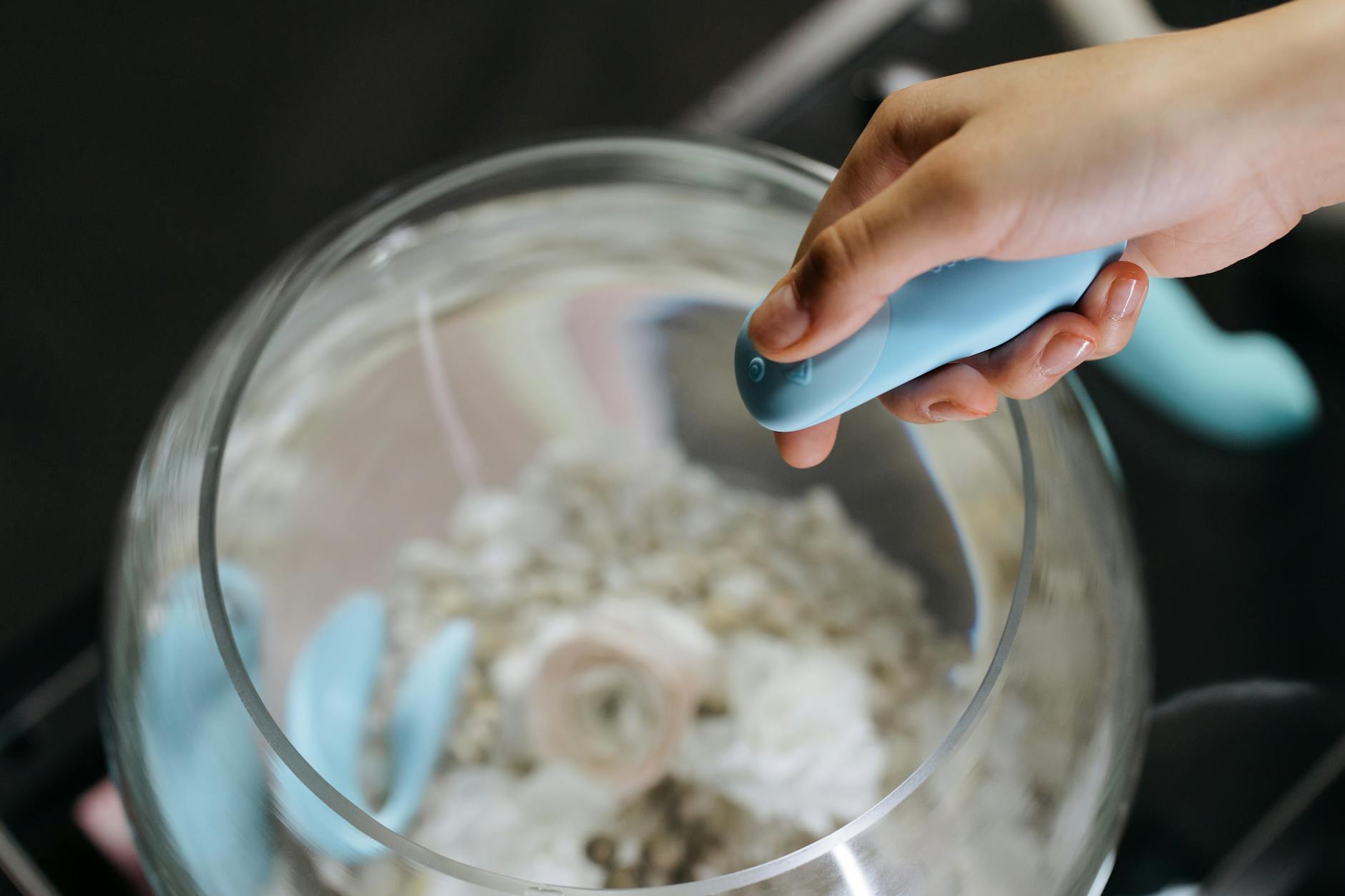
Many people I work with find that air-suction clitoral vibrators like a lemon vibrator become a crucial tool in that reclamation. Not because vibrators are magic. But because of what they do physically and psychologically when you're learning to feel safe in sensation again.
How trauma changes the nervous system
When you experience sexual trauma, your brain creates a survival response. Your body learns to dissociate, to numb, to tighten. The vagus nerve, which controls relaxation and arousal, gets stuck in protection mode. This isn't a character flaw. It's an intelligent adaptation that kept you safe when you weren't safe.
Healing isn't about erasing that response overnight. It's about gently teaching your nervous system that sensation can be safe again. That you have control. That you can stop whenever you need to.
This is where the design of a lemon vibrator matters more than most people realize.
Why gentle suction rebuilds safety faster than vibration
Traditional vibrators create stimulation through rapid pulsing or consistent vibration. For someone rebuilding trust in sensation, that intensity can feel triggering even if it's pleasurable. The stimulation can feel invasive because it's happening to you, rather than with you.
Air-suction technology works differently. Instead of vibrating, it creates a gentle sucking sensation that feels more like a partner responding to your body. You have intuitive control. You can feel the rhythm building. You're not being surprised by intensity. You're creating it.
For trauma survivors, this distinction is profound. Control is safety. A lemon vibrator puts control in your hands, literally and neurologically.
The three things that make a difference in trauma recovery
I recommend lemon vibrators specifically to clients rebuilding sexual pleasure after trauma because they address three core needs.
First: Graduated intensity. The Lem has multiple patterns and intensities. You start soft. You decide when to turn it up. When you're learning to trust sensation again, this matters enormously. You're not at the mercy of a preset rhythm. You're the one conducting.
Second: No penetrative pressure. External clitoral stimulation through suction means zero penetrative sensation. For many trauma survivors, penetration is a hard boundary during early recovery. A lemon clitoral vibrator respects that boundary while still giving you access to pleasure and orgasm.
Third: Sensory clarity. Air-suction feels distinct from partner touch. This sounds obvious, but it's psychologically important. When you're exploring sensation on your terms, solo, with a tool you control, your brain can separate that experience from the trauma. You're not replicating or replacing partnered sex. You're building your own language with pleasure.
Starting the conversation with your body
If you're considering using a lemon vibrator during trauma recovery, here's what tends to help.
Start with no expectation of orgasm. Seriously. The goal is sensation, not outcome. Put on clothes you feel safe in. Have your phone nearby so you can stop and text a friend if you need to. Set a timer. You're not trying to have sex. You're trying to reacquaint yourself with what feels good.
Many people start by just holding the device off. Feel the shape. Notice that you can set it down anytime. Let your nervous system understand that you're in control. When you turn it on, start at the lowest setting. You're not trying to climax. You're trying to feel something and know it's okay.
This process can take weeks. That's not slow. That's healing.
Using a lemon vibrator with a partner after trauma
If you're in a relationship and both partners want to rebuild sexual intimacy after trauma, a lemon vibrator can be part of that. The key is structure and consent.
Decide in advance what you're doing. Not in the moment. Before clothes come off. "I want to use the Lem together, but I want to control it." Or "I want to watch you use it while I'm near you." Or "I want you to use it on me, but I'll tell you when to stop."
This isn't unsexy. It's the opposite. It's a conversation that says "your pleasure matters and your safety matters equally." Partners who get this tend to report that their sex life becomes richer after trauma recovery, not smaller.
What to avoid if you're healing
A few things to skip early in recovery.
Don't use a lemon vibrator during a flashback or panic attack. You're not helping yourself reprocess the trauma. You're just creating new confusing sensations. If you notice freezing, dissociation, or intrusive thoughts starting, stop. Shut it down. You're doing fine. You just need a break.
Don't compare your healing timeline to anyone else's. Some people are ready to explore pleasure three months after trauma. Some take three years. There is no "should" here.
Don't assume that being able to orgasm means you're healed. Orgasm and healing are not the same thing. You can have an orgasm and still need therapy. You can be genuinely healing and not feel ready for pleasure yet. Trust what your body tells you, not what you think it should be telling you.
When to work with a therapist alongside solo exploration
If you've experienced sexual trauma and you're considering exploring pleasure again, therapy makes that safer and faster. A trauma-informed therapist can help you understand your specific nervous system responses and build tools before sensation-based exploration.
You don't need permission from a therapist to use a lemon vibrator. But you might benefit from talking through what you're noticing. What triggered today versus what felt genuinely good. How your body's responses are changing week to week. That conversation can be with a partner, a therapist, a trusted friend, or your journal. The point is witnessing your own healing.
Pleasure is part of healing, not separate from it
I want to be clear about something. Reclaiming pleasure after sexual trauma isn't self-indulgent. It's not frivolous. It's an act of reclamation. When you use a lemon vibrator and feel good, you're sending a message to your nervous system that your body belongs to you. That sensation can be safe. That you get to decide what happens with your own skin.
That's not sex. That's freedom.
If you're at the beginning of trauma recovery and you're not ready for any of this yet, that's okay too. There's no timeline. But when you are ready, whether that's three months or three years from now, tools like Hello Nancy's lemon clitoral vibrators will be here. Your body will remember how to feel good. It might take time. But it will.
People Also Ask
Can I use a lemon vibrator if I'm still in trauma therapy?
Yes, absolutely. Check in with your therapist about it if it feels right, but exploring sensation while healing is normal and healthy. Some therapists even recommend graduated sensory exploration as part of somatic trauma work. Just communicate with your therapist about what you're noticing.
Will using a vibrator trigger me?
It might, at first. Sensation can bring up old responses because your nervous system learned to be protective. If that happens, it doesn't mean the vibrator is wrong or that you're doing anything wrong. It means you need to go slower, maybe with professional support, or explore other ways of rebuilding sensation. There's no one path.
Is a lemon vibrator better than other clitoral vibrators for trauma recovery?
For many people, yes. The air-suction design feels more controllable and less invasive than traditional vibration. But what works is deeply personal. Some people prefer a wand. Some prefer something they can use during partnered sex. If you're unsure, a therapist or sex educator can help you figure out what your body is asking for.
How do I introduce a lemon vibrator to my partner after trauma?
Start with conversation, not the device. Tell them what you're trying to do. "I'm working on feeling safe with sensation again, and I want to explore this." Let them ask questions. Describe what you're thinking of trying. Decide whether they're involved or just aware. That conversation IS the introduction. The vibrator comes after you've already rebuilt safety between you.
How long does it take to feel comfortable using a vibrator after trauma?
There's no standard timeline. Some people feel ready within months. Some take years. The measure isn't how fast you get there. It's whether sensation is becoming safer, your nightmares are less frequent, and you're feeling more present in your body over time. That's healing. Speed isn't the goal.
What if I don't ever want penetration again after trauma?
Then you don't have to. A lemon clitoral vibrator gives you pleasure and orgasm without any penetration. You can have a full, satisfying sexual life with external stimulation only. Your trauma doesn't dictate your future. You do.