Let's name the thing you're actually worried about
You're not actually nervous about asking your partner if you can use a lemon vibrator together. You're nervous about what the question means. You're worried it sounds like "you're not enough" or "I'm not satisfied" or "something's wrong." You're worried they'll feel replaced, or insulted, or like you've been keeping secrets. You're worried the whole conversation will land weird and then sex will feel awkward for months.
Here's the honest part: that worry makes sense. It's a real vulnerability. But it's also almost never what actually happens.
In my work as a couples therapist, I've guided hundreds of conversations exactly like this one. The anxiety before is almost always bigger than the conversation itself.
Why partners are usually relieved, not hurt
Your partner probably wants this conversation too. They just don't know how to start it either.
Research on couples and sex toys shows that the partner bringing toys into the relationship isn't a red flag. It's a green flag. It means you're invested enough in the sex life to make it better. Most partners feel that as care, not criticism.
The second thing that happens is permission. When you name desire for something new, you give your partner permission to name theirs. Suddenly you're not having the conversation alone. You're having it together.
The setup: when and where to say it
Don't start this mid-sex. Don't start it in bed at night when you're both tired. Don't start it as a question right before you want to have sex.
Start it during a normal conversation, when you have time, when you're both clothed and fed and not rushed. A Saturday afternoon walk. During dinner. Over coffee. Anywhere you can actually talk without interruption.
Timing matters because it tells your partner this isn't a demand or an emergency. It's a conversation you've thought about and decided deserves real attention.
What to actually say (word for word)
Here's a template that works. Use it or riff off it. The shape matters more than the exact words.
"I've been thinking about something, and I want to talk about it because I trust you. I'm interested in exploring toys together. Not instead of you. With you. I think it could be really fun and I'm curious what you think."
That's it. You've named the thing. You've clarified it's not a replacement. You've made it clear it's collaborative. You've left space for their response.
If they ask why, the honest answer is usually one of these (pick whichever feels true):
"I want to try new things together." "I think it might feel amazing for both of us." "I've been curious." "I read about it and it sounds fun." "I want to explore pleasure with you more."
Notice none of these are "you're not doing it right" or "I'm not satisfied." You're not apologizing for desire. You're naming it.
What to do if they say yes right away
Great. Now the practical part starts.
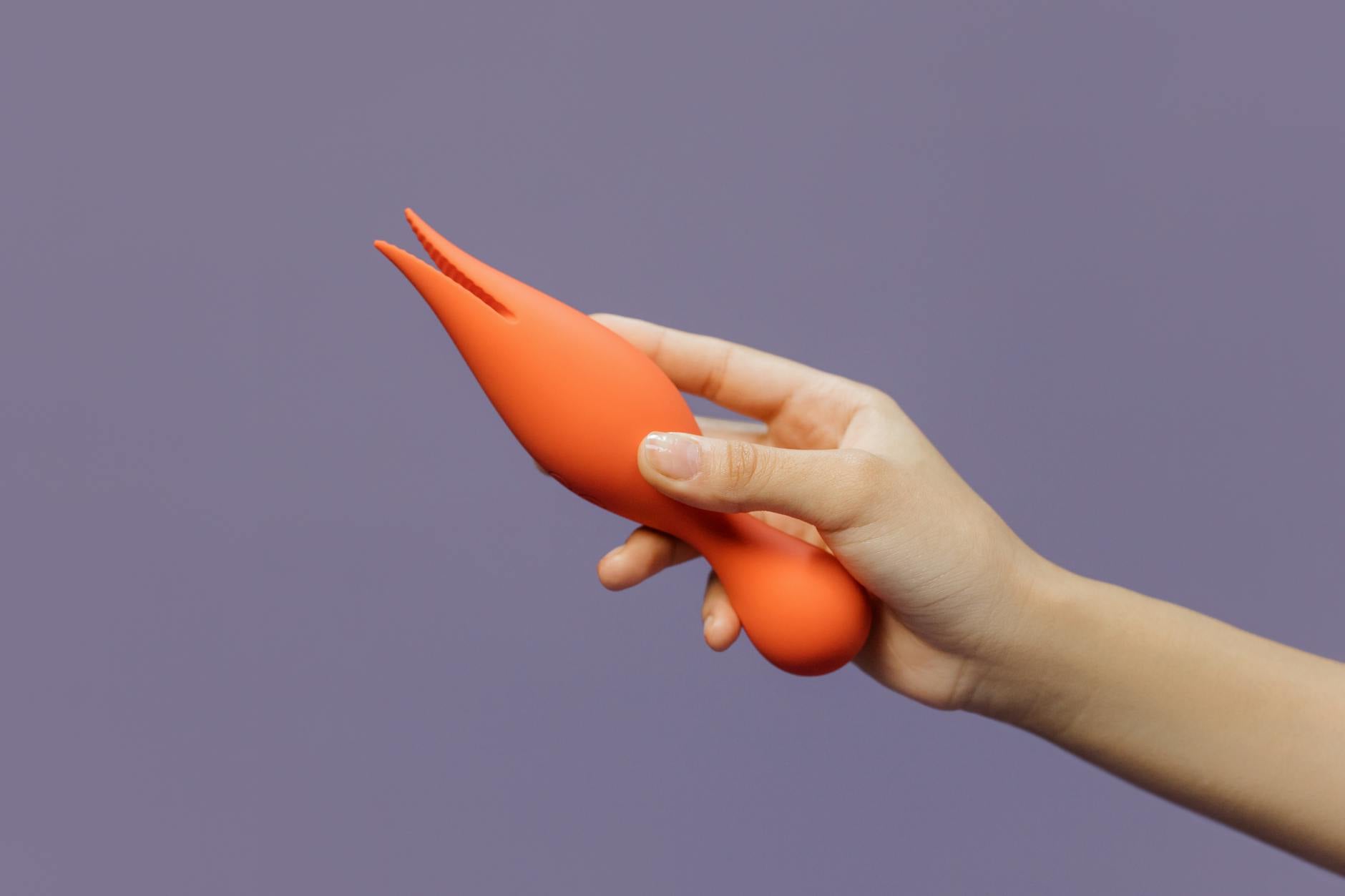
Talk about what kind of toy. Most people start with something less intense, not more. A lemon clitoral vibrator like the Lem is a great entry point because it's intuitive. There's no learning curve. It works the same way most bodies naturally touch themselves. That's not accidental design. It's smart.
Talk about where and when. Not in your parents' house during Thanksgiving. Not when you're both stressed and running late. Pick a time that feels spacious and playful.
Talk about what each person wants from the experience. "I want to feel closer to you." "I want to explore together." "I want to see what sensation feels like." These are all different desires and they all matter.
What to do if they say "I'm not sure"
That's not a no. That's a maybe.
The move here is curiosity, not pressure. "What part feels uncertain?" "Would you feel different if we talked about it more?" "Is there something specific that feels uncomfortable?"
Maybe they're worried about the same thing you were. Maybe they need time. Maybe they need to understand that toys are about addition, not subtraction. All of these are solvable with conversation, not convincing.
Give them space. "This isn't urgent for me. Just wanted to talk about it. If you want to think it over, that's completely fine."
Then actually let them think. Not by bringing it up again in two days. Actually let it sit.
What to do if they say no
That's a boundary and you respect it.
The honest conversation here is: "That's okay. I hear you. Can we talk about what made you uncomfortable?" Sometimes it's religious upbringing. Sometimes it's past trauma. Sometimes it's just "not interested." All of those deserve respect.
Then you get to decide what you actually need. If this is a dealbreaker for you, that's real information about compatibility. If you can be happy without it, that's also real information. The conversation doesn't have to solve everything. It just has to tell the truth.
The thing that actually makes couples closer
Here's what I've noticed: it's not the toy. It's the conversation.
When you ask your partner to explore pleasure with you, you're asking them to see you as a sexual person. You're asking them to believe that your pleasure matters. You're asking them to be curious instead of defensive. Most partners want to do exactly that. They're just waiting for permission.
The couples who integrate lemon vibrators or any sex toys into their relationship report feeling closer afterward, not more distant. Not because the toy is magic. Because they had a conversation about desire that they'd been avoiding.
That conversation is the real intimacy.
A note on pressure and coercion
I'm going to say this clearly because it matters: if your partner says no and you feel resentful, or if you feel pressured to say yes when you don't want to, that's not about the toy. That's about the relationship. Those patterns show up everywhere, not just in sex.
A good sex life requires a good relationship. A good relationship means you can want different things and still feel safe. If this conversation brings up deeper incompatibility, that might be worth talking through with a therapist together.
Most of the time it doesn't. Most of the time you both want pleasure to feel better and you just needed permission to say it.
The practical move after yes
Once you've both agreed, here's what helps:
Get a lemon clitoral vibrator or similar toy from someone you trust (we recommend starting with something familiar and well-reviewed). Read the instructions together. Make a plan for when you'll try it. Set expectations low. You're not trying to have the best sex of your life. You're trying to be curious together.
Your partner might love it immediately. You might. You might both feel awkward the first time. All of those are normal. The second time is usually better.
If you want more guidance on how to actually use it together, how to use a lemon vibrator with your partner after years without sex walks through that in detail.
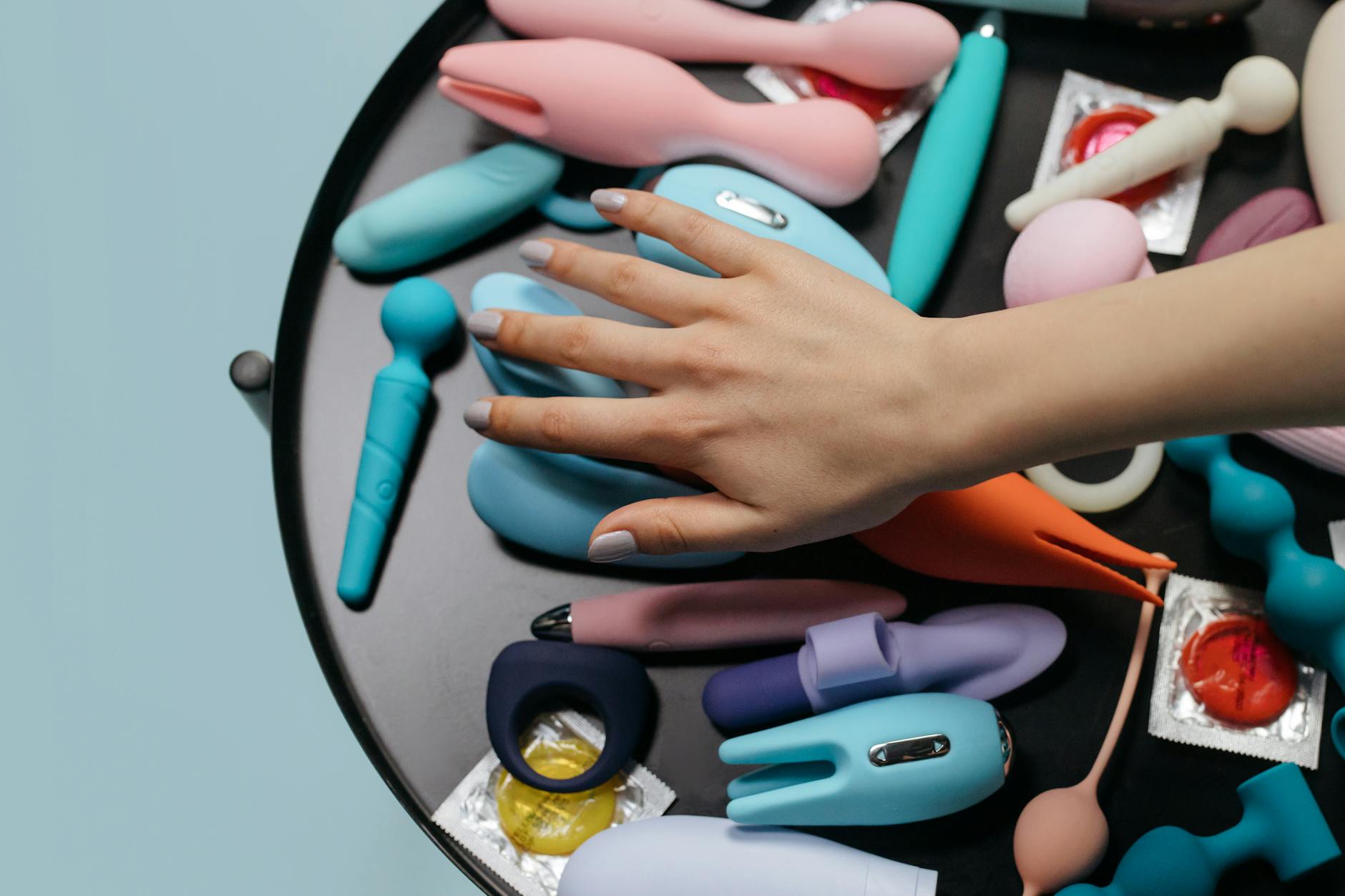
Photo by cottonbro studio on Pexels
The conversation after the conversation
Once you've tried it, check in. Not immediately. Not while you're still in bed. The next day or the next week. "How did that feel for you?" "Did you like it?" "What would you want to do differently?"
Maybe they loved it and want to try it again. Maybe they felt awkward and want to wait. Maybe they want to explore something else entirely. All of that information is useful.
What matters is that you keep talking. That's the whole point. When you're rebuilding intimacy after long-term relationship disconnect, these small conversations add up to real connection.
The thing nobody tells you about asking
Asking your partner to explore pleasure with you is an act of trust. It requires vulnerability. It requires believing they'll hear your desire as desire, not as criticism.
Most people will. Most of the time, your partner wants permission to want better sex too. They've just been waiting for you to go first.
You're not being difficult by asking. You're being brave. That matters. And it usually feels better than you think it will.
People also ask
How do I know if my partner will judge me for wanting to use a lemon vibrator?
You don't know until you ask. But here's what research shows: most partners feel flattered, not judged. They feel like you're invested in the sex life you share. The risk of asking is usually smaller than the risk of not asking and staying quiet for years. If your partner does judge you, that tells you something real about safety in the relationship that's worth paying attention to.
Can I introduce a lemon vibrator without having a big conversation first?
Technically yes, but it usually backfires. Surprising a partner with a toy can feel like a secret or a criticism. The conversation doesn't have to be long or formal, but it should happen. Five minutes of "I got something I think we could have fun trying together" is enough. The point is consent and curiosity, not a secret.
What if we try a lemon clitoral vibrator and it feels weird or awkward?
Weird and awkward is normal the first time. Your nervous system is processing something new. Most couples feel less awkward the second time. If it feels genuinely bad, you don't have to keep using it. But give it at least two tries before you decide it's not for you.
My partner said no to toys. Does this mean our sex life is doomed?
No. It means your partner has a boundary. Plenty of couples have great sex without toys. But if you feel like something important is off in the relationship because they won't explore, that might be worth understanding more deeply. Is it really about the toy or is it about feeling seen and wanted?
How do I bring this up if we haven't talked about sex in years?
Start small. "I've been thinking about our sex life and I want to talk about it. Not because something's wrong, but because I want it to feel better." That opens the door. The toy conversation can come later once you've built some ease in talking about desire at all.
Is it weird to want to use a lemon vibrator if I'm in a long-term relationship?
No. Long-term relationships need novelty and curiosity to stay alive. Wanting to explore pleasure together is one of the healthiest ways to build that. It's not a sign the relationship is in trouble. It's usually a sign you're invested in making it better.