
Your body is basically starting over
Hormonal birth control doesn't just prevent pregnancy. It floods your system with synthetic estrogen and progestin for months or years, fundamentally altering your baseline hormonal state. When you stop, your body doesn't snap back to your pre-pill self. It recalibrates. And that recalibration hits pleasure pretty hard.
I've worked with dozens of people in therapy who came off hormonal birth control and said some version of the same thing: "Everything feels different down there." They weren't imagining it. The physical experience of arousal, orgasm, and sensation genuinely changes when your hormones reset.
Here's what's actually happening, and why your go-to lemon clitoral vibrator might feel like a completely different toy.
What hormonal birth control was doing to your body
Hormonal contraceptives suppress your natural hormone fluctuations. They keep estrogen and progestin at relatively stable, elevated levels year-round. This does several things to pleasure:
Estrogen levels are usually higher on birth control than at baseline. Higher estrogen means thicker vaginal tissue, more natural lubrication, and faster arousal response. It also tends to flatten desire because you're not cycling through the hormonal peaks that typically spike libido mid-cycle.
Progestin suppresses testosterone. That synthetic progestin is doing double duty: preventing ovulation and lowering the testosterone that drives desire in everyone with a vulva. Many people on hormonal birth control report lower libido, not because anything is wrong with them, but because their testosterone is chemically suppressed.
Your pelvic floor gets used to one hormone state. The muscles and tissue down there adapt to consistent hormone levels. When those levels drop suddenly, everything has to readjust.
What happens in the first 3-6 months after stopping
During this window, you're not just dealing with new hormone levels. You're dealing with your body remembering how to cycle naturally again. This is messy and non-linear.
Weeks 1-2: Many people feel an immediate shift in arousal. Without synthetic hormones suppressing testosterone, desire often spikes noticeably. You might feel hornier than you have in years. This can be exciting, or it can be jarring depending on your context.
Weeks 3-8: Your cycle starts to reassert itself (if you ovulate). As your natural estrogen rises, then peaks around ovulation, many people find arousal and sensation feel sharper and faster. Your clitoral sensitivity increases. Your natural lubrication improves. A lemon vibrator that felt fine on the pill can suddenly feel quite intense.
Weeks 9-24: Your body is finding its new rhythm, but it's still establishing it. Hormone levels are more volatile than on birth control. One week you might have tons of natural lubrication and quick arousal. The next week, the same lemon clitoral vibrator might feel less responsive because your hormone levels have shifted again.
By 6 months, most people have stabilized into a more predictable cycle. But that first 3-6 months? Expect variability.
Why lemon vibrators feel different after you stop
A lemon vibrator works through gentle suction and pulsing stimulation. The sensation depends partly on what's happening in your tissues. Changes after stopping hormonal birth control affect how that sensation lands:
Increased clitoral sensitivity. As testosterone rises and you're no longer on synthetic hormones, the clitoris becomes more responsive to stimulation. A lemon adult toy that felt pleasant before might feel almost too intense now. You might need to start on lower intensity settings and work up.
Faster arousal response. On hormonal birth control, arousal typically takes longer to build. Off the pill, your body responds faster. This means the clitoral suction might feel more immediate and intense than you're used to. Some people love this shift. Others need time to adjust.
More variable lubrication. Your natural lubrication fluctuates with your cycle now. If you're not well-lubricated when you start using a lemon clitoral vibrator, it might feel uncomfortable or too intense. Addressing this is simple: water-based lube becomes your friend again, even if you didn't need it on hormonal birth control.
Pelvic floor tension changes. Coming off hormonal birth control often comes with some anxiety or mood shifts as your hormones recalibrate. Anxiety lives in the pelvic floor. You might find you're holding more tension there than you did on the pill. This can make stimulation feel either blocked or hypersensitive depending on where your nervous system is.
How to recalibrate your pleasure during this transition
You're not broken. Your lemon vibrator isn't broken. You're just meeting each other at a different baseline. Here's what to adjust:
Start with lower intensity settings. If you were using pattern 4 or 5 on your lemon sucker while on birth control, begin at 2 or 3 and work upward. You'll likely find your sweet spot again, but it may be different than it was before.
Use water-based lubricant intentionally. Even if your natural lubrication improved, intentional lube reduces friction and makes the suction feel more comfortable while your tissues are recalibrating. It's not a sign that anything is wrong.
Track your cycle loosely. Notice when in your cycle the clitoral vibrator feels most responsive. This isn't about obsessing, just awareness. You might notice that mid-cycle (around ovulation) feels wildly different from the luteal phase. This is normal and helpful data.
Give your nervous system time. If you stopped hormonal birth control because you're navigating a major life change, anxiety might be affecting sensation. Slow arousal practices (longer warm-up, breathing, touching other parts of your body first) help your nervous system settle before you introduce the lemon clitoral vibrator.
Revisit penetration timing. If you use a lemon vibrator as part of partnered sex, the timing might shift. On hormonal birth control, many people needed extended foreplay to reach arousal. Off the pill, arousal might come faster, which changes when penetration feels good. Communicate this with your partner openly.
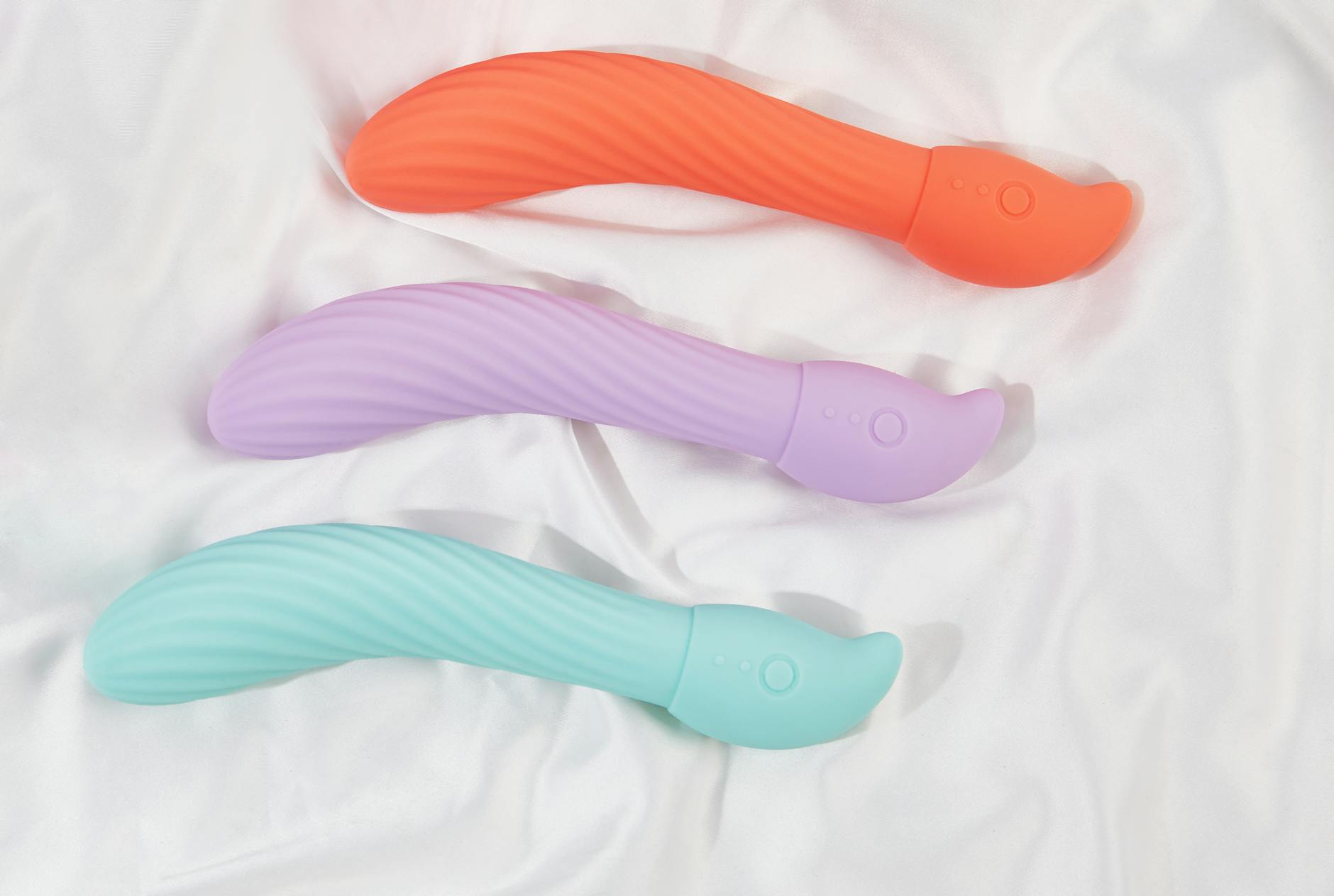
Photo by IFONNX Toys on Pexels
When the shift means something bigger
Sometimes, stopping hormonal birth control reveals something deeper. Pain during sex, total loss of desire, or numbness that doesn't improve after 6 months deserves attention from a gynecologist. That said, most of the time, the shifts you're experiencing are physiological and normal.
If you're also navigating relationship changes around coming off hormonal birth control (which is common—many people revisit that choice in relationship transitions), that's worth addressing separately from the physical pleasure piece. As I often tell couples in my practice, conflating relationship tension with hormonal shifts turns both conversations into dead ends.
Consider reading about how lemon vibrators help when your partner has erectile dysfunction if you're navigating pleasure changes with a partner, or explore using a lemon vibrator safely with vaginal dryness for more practical strategies during this transition.
The wider reset
Coming off hormonal birth control is more than a physical recalibration. It's also a moment to rebuild a relationship with your own body and pleasure. Many people find that reconnecting with a lemon vibrator during this phase feels like discovering what their body actually wants, not what synthetic hormones told it to want.
That clarity is worth the awkward 3-6 month adjustment period.
Frequently Asked Questions
How long does it take for sensation to stabilize after stopping birth control?
Most people report stabilized sensation and arousal patterns within 3-6 months. Your cycle needs time to re-establish, and your tissues need time to adjust to natural hormone levels. Some people stabilize faster, others take longer—there's real variation here. If major changes persist beyond 6 months, check in with a gynecologist.
Can I use my lemon clitoral vibrator right after stopping birth control?
Absolutely, but start conservatively. Use lower intensity settings and allow longer warm-up time. Your tissues and nervous system are recalibrating, and this isn't a sign of weakness or damage. It's just your body finding a new baseline. Many people find they can return to their previous settings after a few weeks or months.
Why does my lemon vibrator feel numb compared to before?
Numbing can happen for two reasons. First, your nervous system might be processing the hormonal shift with some overwhelm—when the nervous system is dysregulated, sensation flattens. Second, if you're in a particular phase of your newly-established cycle (luteal phase, typically), progesterone can make sensation feel more muted. Water-based lube and longer warm-up time usually help. If numbness persists beyond 6 months, mention it to your doctor.
Is increased sensitivity after stopping birth control permanent?
Mostly, yes, but with nuance. Your baseline sensitivity after coming off hormonal birth control will likely remain higher than it was on the pill. However, it will fluctuate throughout your cycle. Mid-cycle (around ovulation), you'll probably feel more sensitive. During the luteal phase, sensitivity might dip. This cyclical pattern is normal and healthy.
Should I buy a different lemon adult toy after stopping birth control?
Not necessarily. Most people find their lemon vibrator works fine once they adjust the intensity and warm-up time. If you tried a lemon vibrator while on hormonal birth control and it never felt right, coming off the pill might actually make it feel much better. Give yourself 6 weeks before deciding you need a different toy.
Can stopping birth control affect orgasm quality with a lemon clitoral vibrator?
Yes. Many people report that orgasms feel different—sometimes more intense, sometimes different in texture or location. Some people find orgasms come faster, others find they take longer during certain cycle phases. None of these changes mean something is wrong. Your nervous system is simply responding to different hormone levels. Most people adjust within a few months and find the new sensation is actually preferable.
What if my partner notices the change when I use my lemon vibrator?
Good news: they likely will notice, and it's worth talking about it. You might be more responsive, need different timing, or want to adjust positioning. These conversations aren't about anything being broken. They're about both of you learning the new normal together. Consider discussing it outside the bedroom first, then experimenting together. Knowing what's happening physiologically removes a lot of unnecessary anxiety.
What comes next
Your body is not malfunctioning. It's remembering how to be itself. A lemon sucker that felt fine on hormonal birth control might feel intense now, or vice versa. That's not a problem to solve. It's data. Use it to understand what your body actually wants when you're not hormonally suppressed. Many people find that pleasure feels more authentic after coming off hormonal birth control, once the adjustment window closes. Give yourself space for that discovery.
If you're navigating pleasure changes with a partner, talking through using a lemon vibrator with your partner without performance pressure can help both of you move through this transition with less friction. And if you want to explore solo pleasure during this reset phase, that's equally valid—sometimes rediscovering yourself alone makes partnered exploration easier later.
Your pleasure matters. So does your patience with your own body as it recalibrates. Welcome to the other side of hormonal birth control.