Here's the thing about vibration versus suction
If you've tried a traditional vibrator and felt absolutely nothing, you're not broken. Your nervous system just doesn't respond the same way to vibration as it does to suction. And that's a massive, under-discussed reason why some people swear by lemon vibrators while others feel indifferent. The sensation is actually different at a neurological level.
Let me walk you through what that difference feels like, why it matters, and whether switching from a standard clitoral vibrator to a lemon sucker makes sense for you.
How traditional vibrators actually work
A regular vibrator, whether it's a wand, bullet, or rabbit, sends rapid oscillations through the toy into your tissue. You're getting roughly 50 to 200 pulses per second depending on the model. The sensation is spread across the contact area, and it works by activating nerve endings through fast, repeated movement.
For a lot of people, this is perfect. It builds sensation quickly and feels intuitive.
But here's what doesn't always happen: the activation can feel surface-level, or in some cases, numb-inducing after a few minutes. Some people describe it as "buzzy but not satisfying," or "I feel something happening, but not what I want." If you've experienced that flatness, you're not alone. Somewhere between 30 and 40 percent of people report that traditional vibration alone doesn't bring them to orgasm, even when they're very aroused.
What air-suction stimulation actually does
A lemon vibrator works differently. Instead of oscillating back and forth, it creates rhythmic suction and release around the clitoris. Think of it less like a vibration and more like a gentle, pulsing kiss. The sensation concentrates on the clitoral complex, but it operates through pressure and negative space rather than friction.
This matters because the clitoris has two distinct networks of nerve endings. Some respond strongly to vibration. Others respond much more powerfully to suction and pressure changes. If your dominant nerve pathways are in that second category, a lemon clitoral vibrator can feel revelatory compared to any vibrator you've tried before.
People often describe the sensation as "fuller," "deeper," or "more complete." It doesn't feel like buzzing. It feels more like pulsing intensity that builds in a different rhythm.
The sensation you're actually experiencing
When you use a lemon sucker, the toy creates a seal around the clitoral tissue and then pulses that seal open and closed. Your nerve endings aren't being shaken; they're being gently compressed and released. It's a slower activation than traditional vibration, but for many people, it feels much more direct.
Here's what this means for arousal and orgasm. Traditional vibration often works through speed and numbing familiarity. Suction works through sustained pressure and novelty. Your body recognizes suction as a distinct stimulus, which can keep nerve endings responsive longer without that desensitization effect.
Some people experience multiple orgasms more easily with air-suction toys. Others find that orgasms feel more intense. Still others realize for the first time that they're actually capable of orgasm at all, because they finally found the right stimulus.
Who feels the difference most
Three groups of people report the biggest sensation shift when moving from traditional vibrators to a lemon clitoral vibrator.
People who never orgasm with vibration alone. If you've tried multiple vibrators and felt nothing approaching orgasm, suction is worth testing. You might have a physiological preference for pressure-based stimulation, and a lemon vibrator could be the difference.
People who experience clitoral sensitivity or numbness. Traditional vibration can, over time, make the clitoris less responsive through overstimulation. Suction activates different nerve pathways, which means you can sometimes recover responsiveness by switching toys.
People with vulvae that sit more internally. Some clitoral anatomy places the external clitoris further under the hood of tissue. Vibration sometimes doesn't transmit clearly through that tissue. Suction creates a more direct pressure, which can bypass that anatomical variation.
If none of this sounds like you, it doesn't mean a lemon sucker won't feel good. It just means you might already have found what works for your body.
The comfort and sensitivity angle
One thing I mention to people switching from traditional vibrators to lemon vibrators: the sensation can feel more intense initially, even if it's less numbing long-term. That's because you're waking up nerve endings that haven't been activated in that specific way before.
Start with a lower suction setting. You can always increase intensity. It's harder to work back down from overstimulation. Most people find that after a few sessions, their body calibrates to the sensation and it feels perfectly balanced.
Also, if you have pelvic pain or vulvodynia, air-suction stimulation is often easier on sensitive tissue than vibration. You're getting strong sensation without the mechanical friction that sometimes triggers pain. Learn more about adapting pleasure tools to pelvic pain in our guide to using a lemon vibrator if you have pelvic pain.
Comparing sensation across toy types
Different clitoral vibrators create genuinely different sensations. A wand vibrator feels different from a bullet, which feels different from a rabbit. A lemon clitoral vibrator feels different from all of them because it's operating on a completely different mechanism.
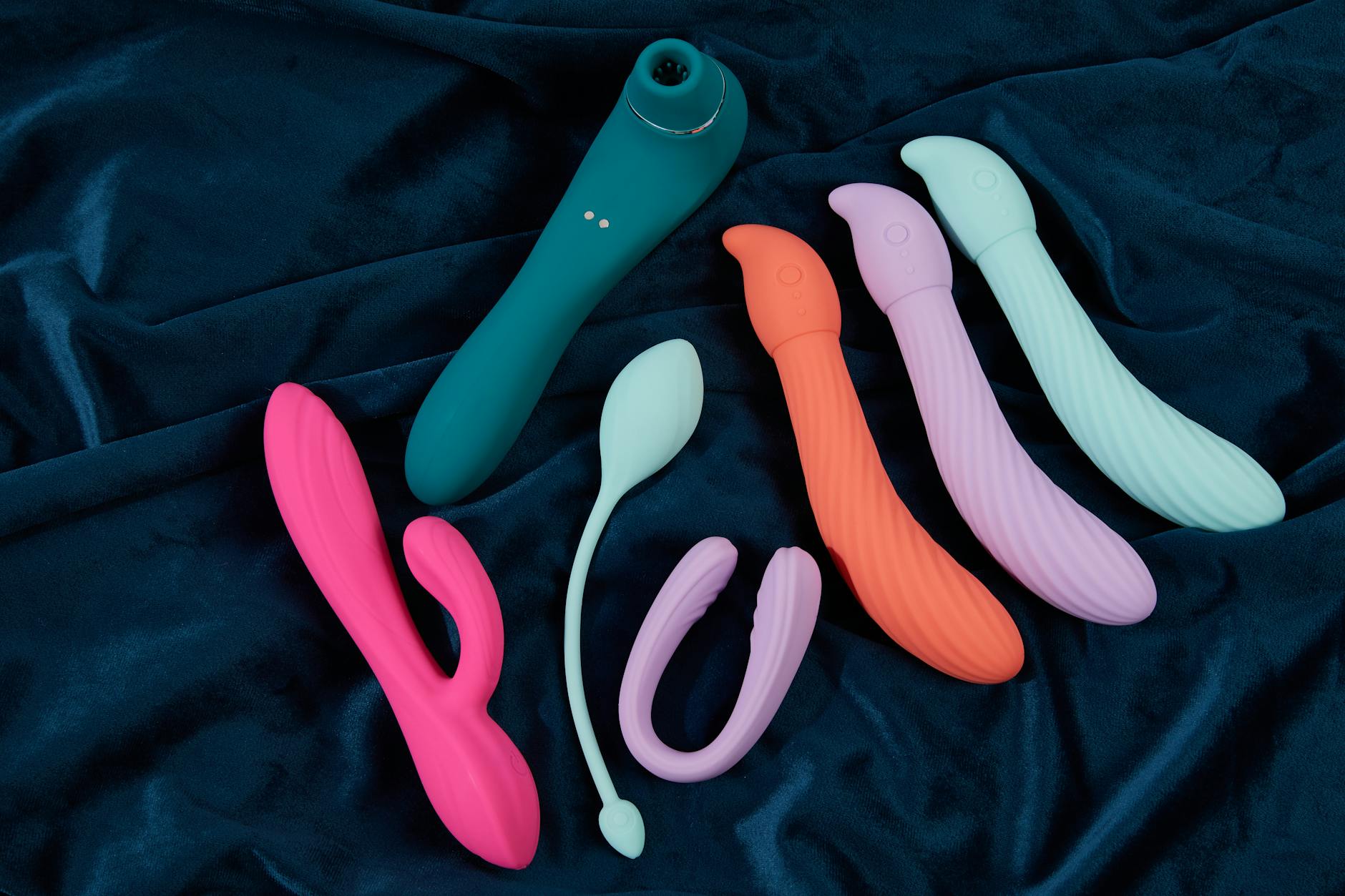
Photo by IFONNX Toys on Pexels
If you're curious whether suction is worth trying, here's a simple test. Think about what feels best when you're aroused. Do you prefer sustained pressure (like fingers pressing firmly), or do you prefer rapid movement? Do you like a lot of direct contact, or lighter touch? If you lean toward pressure and sustained intensity, a lemon vibrator will probably feel dramatically better than traditional vibration. If you prefer light, rapid stimulation, you might find suction feels too intense or slow.
The practical difference in partnered sex
One place where the sensation difference really shows up is partnered play. A lot of people avoid vibrators during partnered sex because the buzz travels through their partner and becomes uncomfortable or distracting. Lemon vibrators are quieter and the sensation doesn't transmit the same way, so they integrate into partnered sex more smoothly. You can read more about how to incorporate one into your routine in our article on using a lemon vibrator as a couple.
Also, from a partner's perspective, suction toys feel different to be near. They're not loud, and they don't vibrate the whole bed. That makes the experience less disruptive and more intimate.
How to test if suction is right for you
If you're considering switching from a traditional vibrator to a lemon sucker, here's what I recommend.
Set a low expectation for the first session. Tell yourself you're just exploring the sensation, not aiming for orgasm. Turn on the lowest setting, get aroused first (five to ten minutes of warm-up is important), and then use the toy for just a few minutes. Notice what you feel. Is it better, worse, or just different?
If it's different in a way that intrigues you, try it again a few times before deciding. Your body learns new sensations over multiple exposures. What feels odd on day one can feel amazing on day three.
If you want to pair suction with another toy, go for it. Some people use a lemon vibrator for clitoral stimulation and a different toy for penetration. Others layer toys. The sensation of suction plus vibration from a different toy can be incredibly intense.
The science of pleasure variation
Your nervous system is wired to respond to novelty. When you use the same toy in the same way for months, your body builds familiarity and sensation plateaus. Switching to a completely different mechanism, like moving from vibration to suction, jolts your nervous system out of that familiarity.
This isn't a problem with you or the toy. It's just how neural adaptation works. If you notice that your favorite vibrator has stopped feeling amazing, a lemon clitoral vibrator isn't necessarily "better." It's different, and different can feel revelatory after months of the same sensation.
Some people rotate toys for exactly this reason. One week they use their favorite vibrator, the next week they use suction, the next week something else. It keeps sensation fresh and orgasms strong.
FAQ: Sensation and switching toys
How long does it take to get used to the feel of a lemon vibrator?
Most people adapt within three to five sessions. You might feel it's strange or too intense at first, then realize on the third or fourth use that your body has adjusted and the sensation feels incredible. If it still feels wrong after a week of regular use, suction probably isn't your mechanism. That's fine.
Can I use a lemon vibrator if I've never had an orgasm?
Yes, and it's worth trying if traditional vibrators haven't worked. The sensation is different enough that it sometimes unlocks orgasm capability where other toys haven't. No guarantees, but suction is specifically recommended for people who struggle to orgasm with vibration alone.
Does a lemon sucker feel like oral sex?
It's similar in that it creates suction and gentle pulsing, but it's not identical. It's more intense and rhythmic than most mouth contact, and it doesn't involve tongue texture or temperature changes. If you enjoy oral sex, you'll probably enjoy a lemon vibrator, but don't expect it to feel exactly the same.
Why do some people hate air-suction toys?
Suction can feel overwhelming, especially if your clitoris is very sensitive. Some people find the seal feels claustrophobic. Others just have nervous systems that respond better to vibration. There's no wrong answer. Your body knows what it likes.
Should I start with a lemon vibrator or a traditional vibrator if I'm completely new to toys?
If you don't know your preference yet, start with something lower-pressure. A traditional vibrator or a lower-setting clitoral sucker lets you explore without the intensity. Once you know what sensations you like, you can invest in higher-end toys that nail your preference.
Can I use a lemon clitoral vibrator if I have a pelvic floor dysfunction?
Yes, and often more comfortably than traditional vibrators. Suction doesn't involve the same friction, so it can feel less triggering for people with pain or tension. That said, intensity matters. Start low and slow. If you have diagnosed pelvic floor dysfunction, mention toys to your pelvic floor physical therapist so they can guide what works for your specific situation.
The honest takeaway
A lemon vibrator feels different from other clitoral vibrators because it operates through suction instead of vibration. For some people, that difference is life-changing. For others, it's just another option. There's no universal "best" toy. There's only what your body responds to.
If you've been curious about whether air-suction toys might work better for you than traditional vibration, the answer is: maybe. And the only way to know is to try one with zero pressure and genuine curiosity about what you discover.
Your pleasure matters enough to experiment. Start there.