Here's the thing nobody talks about
Arousal and orgasm are not the same circuit. You can feel one without feeling the other. And if you've recently noticed that you're getting turned on more easily but your orgasm feels harder to reach, softer when it arrives, or weirdly distant even when stimulation feels good, you're not broken. Something else is happening.
This mismatch between arousal and release is one of the most common issues I work through with clients, and it's wildly underdiagnosed because most sex ed treats them as one continuous thing. They're not.
What's different between arousal and orgasm
Arousal is your nervous system's green light. Blood flows to your genitals. Your heart rate climbs. Your brain chemistry shifts toward openness and response. It's largely passive. Your body does it when conditions are right.
Orgasm is active. It's a muscular and neurological release that requires a specific sequence of signals. Your pelvic floor muscles need to contract rhythmically. Your nervous system needs to cross a threshold into the sympathetic state (the opposite of relaxation, weirdly). Your brain needs to be present enough to let it happen but not so present that you're thinking about your grocery list.
You can have one without the other. You can be aroused and unable to orgasm. You can have an orgasm while feeling only mildly aroused (though it's less common). And you can experience a weird middle ground where arousal feels strong but orgasm feels dampened, distant, or just impossible to chase down.
Why this happens more than you'd think
Several things can create this split. Some are physical, some are psychological, most are both.
Medication side effects are the biggest culprit I see. Antidepressants, especially SSRIs, often increase arousal while suppressing orgasm. It's a cruel trade-off. Your libido returns. Your body cooperates. But the final stage of the pleasure response flatlines. Some people call it being able to get turned on but unable to "finish."
Pelvic floor tension is another major one. When your pelvic floor muscles are chronically tight (from stress, sitting posture, or past trauma), they can squeeze the blood vessels that feed sensation to your clitoris. You feel arousal building, but the muscles that need to contract and release for orgasm are already contracted, so they can't build the kind of rhythmic pulse an orgasm needs.
Desensitization from inconsistent stimulation happens too. If you've been using a vibrator with a pattern that doesn't quite match what your body needs to orgasm, or if you've been switching between different types of stimulation mid-session, your nervous system can get confused. You feel the arousal cues, but your body doesn't recognize the signal to let go.
Emotional distance, even subtle, can split arousal from orgasm. You might be physically turned on with a partner or during solo time, but some part of you is still checking boxes, managing expectations, or waiting for something to go wrong. Arousal often survives low-level emotional friction. Orgasm usually doesn't.
How a lemon clitoral vibrator can bridge the gap
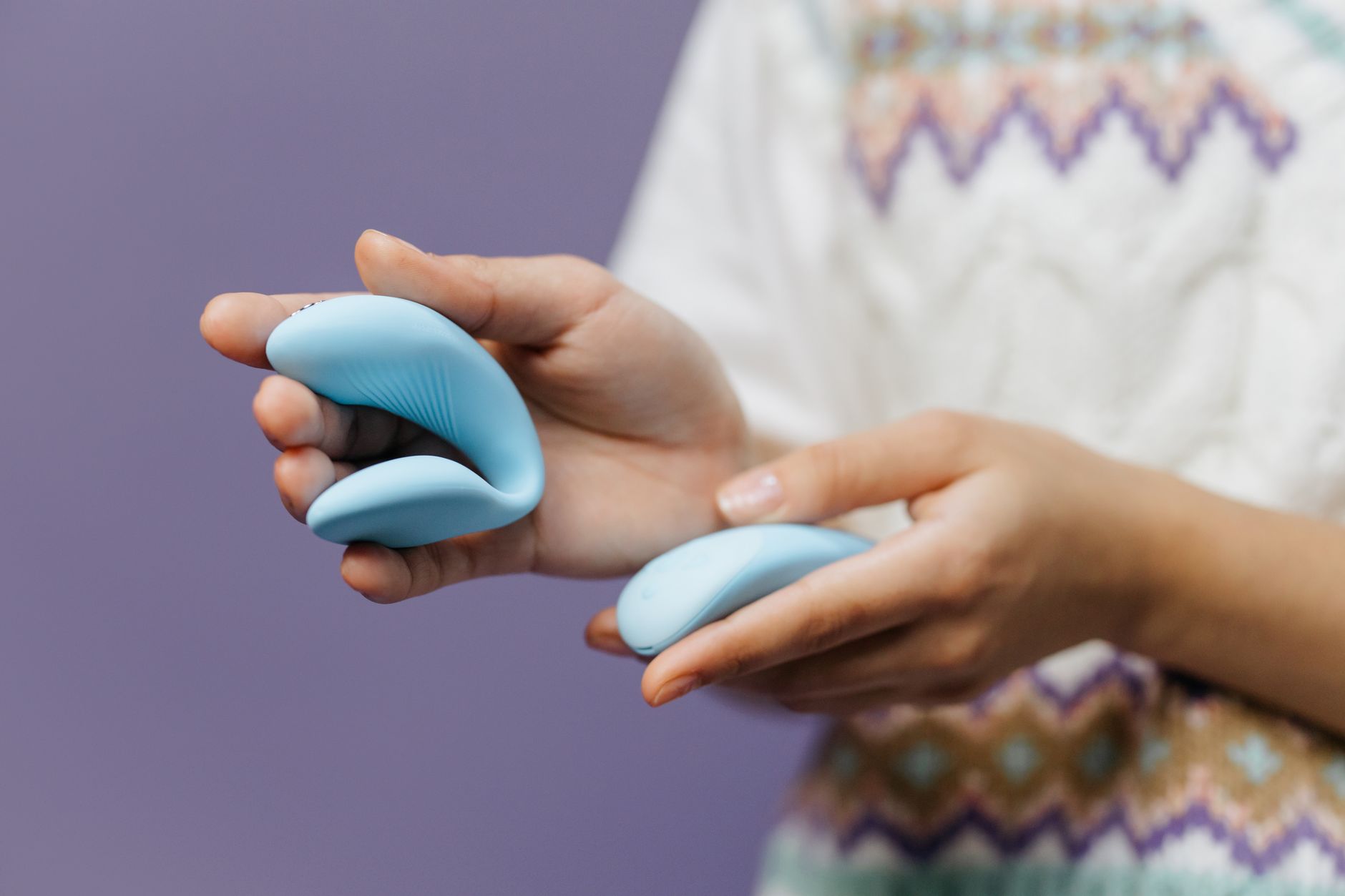
The Lem and other lemon vibrators work differently than traditional vibrators. Instead of vibration, they use gentle suction and pulse patterns that mimic the rhythm of what actually triggers orgasm.
Here's why that matters for your specific problem. When arousal is present but orgasm is elusive, it's often because the type of stimulation you're using isn't specific enough to cross that orgasm threshold. You're getting close. Your body is responding. But the signal isn't strong enough or consistent enough.
A lemon sucker creates a sealed micro-chamber around your clitoris. The suction draws blood into the area and creates a gentle pulse pattern that your nervous system recognizes as closer to the rhythm of manual stimulation, fingers, or a partner's mouth. It's a gentler entry point than high-frequency vibration, which means your body doesn't plateau as fast. You can build intensity gradually instead of hitting a ceiling immediately.
Most importantly, the rhythm of a lemon clitoral vibrator allows your pelvic floor to contract and release in sync with the pattern. Your muscles can build that wave of tension and release that orgasm actually needs. You're not just getting stimulation. You're getting the right sequence of stimulation.
The protocol that actually works
If you're dealing with this split between arousal and orgasm, here's what I recommend.
Start with a full warm-up. Give yourself 15-20 minutes of general arousal work. This might be alone time, partnered touch, fantasy, whatever gets your baseline up. You want to feel clearly turned on before you reach for the Lem.
Use the lowest pulse pattern first. Don't jump to the highest intensity. The idea is to train your body to recognize the pattern and build anticipation, not to shock your system into compliance. Start at pattern 1 or 2 and stay there for 3-5 minutes while you focus on breathing and sensation.
Pay attention to your pelvic floor. This is crucial. As intensity builds, you might notice the muscles tensing up. That's normal. But don't let them stay locked. Think of your pelvic floor like a drum. It needs to tighten and then relax, tighten and then relax. If you hold tension, you prevent orgasm.
Don't chase the finish. This one's counterintuitive, but it matters. If you're already struggling with the split between arousal and orgasm, performative effort makes it worse. Use the Lem as an invitation, not an interrogation. Stay with the sensation. Let your mind follow your body, not the other way around.
Build intensity slowly. After a few minutes at a lower pattern, move up one level. Stay there for a few minutes. This gradual progression lets your nervous system catch up with your physical arousal.
When something else is at play
If you're on medication that's suppressing orgasm, this is a conversation for your prescriber. Some doctors can adjust dosing, switch medications, or add something to counteract the effect. Don't tough this out alone.
If pelvic floor tension is the culprit, physical therapy can help. A pelvic floor physical therapist can teach you how to relax, not just contract. This skill transfers directly to pleasure.
If emotional distance is part of it, that's worth exploring separately. Sometimes working with a therapist alongside working with your pleasure helps clarify what's underneath.
Like most arousal shifts, this usually has layers. A lemon vibrator can help with the physical piece, but addressing the whole picture often matters more.
The part about persistence
Here's what I tell clients. Your body is not refusing you. It's responding exactly how it's supposed to given the conditions. Change the conditions, and the response changes.
If you've been struggling with the gap between arousal and orgasm, give yourself permission to explore slowly. Use the Lem as a tool, not a test. Pay attention to what works instead of what doesn't. Your pleasure isn't about performance or timing. It's about recognizing what your specific nervous system needs and giving it to yourself, patiently.
If you want to dig deeper into this, we have a guide on how to use a lemon vibrator when desire feels disconnected from physical response that covers the emotional layer. And if you're wondering whether pelvic floor stuff is at play, how to use a lemon vibrator for better sensation when recovering from pelvic floor dysfunction walks through the physical rehab piece.
Your pleasure deserves specificity. Start there.
People also ask
Why can I get aroused but not orgasm?
Arousal and orgasm use different neural pathways. You can absolutely have one without the other. Arousal is your nervous system's initial response to desire or stimulation. Orgasm is a specific release that requires your pelvic floor muscles to contract rhythmically, your nervous system to cross a certain threshold, and your brain to be present enough to let it happen. Medication, pelvic floor tension, desensitization from inconsistent stimulation, and emotional factors can all create a gap between the two.
Do lemon vibrators work better for this than regular vibrators?
Lemon clitoral vibrators like the Lem use suction and pulse patterns instead of high-frequency vibration. This rhythm more closely mirrors the natural response pattern that triggers orgasm. For people whose arousal and orgasm are disconnected, the gentler, more rhythmic stimulation often helps your nervous system recognize and cross the orgasm threshold more reliably. That said, what works is individual. Some people respond better to different stimulation patterns.
Can medication changes help with this problem?
Yes. If antidepressants or other medications are suppressing your orgasm response while leaving arousal intact, talk to your prescriber. Dosage adjustments, medication switches, or adding a medication to counteract the effect are all legitimate options. This is especially true for SSRIs, which commonly create this specific split between arousal and release.
How long does it take to reconnect arousal and orgasm?
It depends on what's causing the split. If it's mainly a desensitization issue, consistent use of the right kind of stimulation can shift things in a few weeks. If it's pelvic floor related, physical therapy usually takes 6-12 weeks to make a meaningful difference. If medication is at play, you might see changes within days of an adjustment. Start where you are and adjust as you go.
Should I use a lemon vibrator solo or with a partner?
Both. Solo exploration lets you figure out what rhythm and pattern your body actually responds to without the variable of partner timing or expectations. Once you know that, you can bring it into partnered time if you want to. Some people find solo use helps them reset, then partnered touch becomes easier. Others use the Lem with a partner from the start. There's no wrong entry point.
What if the pelvic floor relaxation part feels impossible?
It's not impossible, but it's a skill that takes practice, especially if you've been holding tension for a long time. Pelvic floor physical therapy is genuinely helpful here. In the meantime, before you use the Lem, try this. Breathe in for a count of 4, hold for 2, exhale slowly for 6. As you exhale, consciously release your pelvic floor muscles. It's not about clenching and releasing. It's about noticing tension and letting it soften. Do this for 2-3 minutes before reaching for your vibrator. Your body will learn the pattern.